
Learn real-world coding, automation, productivity hacks and tech skills written by developers, creators and learners on JAYK14. Not theory — only experience-based knowledge.
Search tutorials, coding blogs, automation guides and real-world experiences shared by the JAYK14 community.
Learn, share & grow with real-world tutorials and experiences on JAYK14.

Aaj ke digital zamane me ek sawal bahut important ho gaya hai — “Kya aapke paas apni website hai?” Agar iska jawab “No” hai, to shayad aapko lagta hoga ki website sirf bade businesses ya companies ke liye hoti hai. Lekin sach ye hai ki aaj ke time me website har insaan ke liye ek powerful tool ban chuki hai — chahe aap student ho, freelancer ho, ya job kar rahe ho. Aur agar aapke paas website nahi hai, to aap sirf ek cheez nahi, balki bahut saari opportunities miss kar rahe ho. Chaliye simple language me samajhte hain ki aap kya-kya miss kar rahe ho 👇 🚫 1. Aap Apni Online Identity Miss Kar Rahe Ho Social media par account banana easy hai, lekin wo aapka permanent identity nahi hota. Aapka account kabhi bhi: Ban ho sakta hai Hack ho sakta hai Ya reach khatam ho sakti hai Lekin ek website aapki apni hoti hai. Ye aapka: Digital ghar Personal brand Online identity Agar aapke paas website nahi hai, to aap internet par “serious presence” miss kar rahe ho. 💼 2. Clients Aur Opportunities Kho Rahe Ho Aaj kal koi bhi client directly hire nahi karta. Sabse pehle wo Google karta hai. Socho:Agar kisi ne aapka naam search kiya aur kuch bhi nahi mila, to kya hoga? Client turant next person par chala jayega. Website hone ka matlab: Aap professional dikhte ho Trust build hota hai Conversion chances badhte hain Bina website ke aap daily opportunities lose kar rahe ho — bina realize kiye. 💰 3. Online Earning Ka Sabse Bada Source Miss Kar Rahe Ho Website ek earning machine ban sakti hai. Aap earn kar sakte ho: Ads se Affiliate marketing se Services sell karke Courses sell karke Agar aapke paas website nahi hai, to aap ek aisa platform miss kar rahe ho jo aapko passive income de sakta hai. Aur sabse interesting baat — ek baar setup hone ke baad ye long-term kaam karta hai. 📈 4. Apni Growth Slow Kar Rahe Ho Aaj ke time me jo log fast grow kar rahe hain, unke paas ek strong online presence hoti hai. Website aapko help karti hai: Apna work showcase karne me Apni skills prove karne me Audience build karne me Bina website ke aap sirf social media par dependent ho jaate ho — aur wahan growth limited hoti hai. 🔥 5. Personal Brand Build Nahi Ho Raha Brand sirf companies ka nahi hota, aapka bhi hota hai. Agar aap chahte ho: Log aapko pehchane Aapki value badhe Aapko respect mile To aapko apna brand banana padega. Website isme sabse important role play karti hai. Bina website ke aap sirf ek “random profile” banke reh jaate ho. 📱 6. Control Aapke Haath Me Nahi Hai Social media platforms: Algorithm change kar dete hain Reach kam kar dete hain Rules change kar dete hain Aur aap kuch nahi kar sakte. Lekin website me: Full control aapka hota hai Design aap decide karte ho Content aap control karte ho Ye freedom aap miss kar rahe ho agar aapke paas website nahi hai. 🧠 7. Aap Authority Build Nahi Kar Pa Rahe Log unhi par trust karte hain jo knowledgeable aur professional lagte hain. Website aapko allow karti hai: Blog likhne ke liye Knowledge share karne ke liye Expertise show karne ke liye Jab log aapki website dekhte hain, to unhe lagta hai:👉 “Ye banda serious hai” Aur ye trust hi aapko aage le jaata hai. ⏳ 8. Long-Term Asset Nahi Bana Rahe Social media content temporary hota hai. Aaj viral, kal dead. Lekin website: Long-term asset hoti hai Google par rank karti hai Years tak traffic laati hai Agar aap website nahi bana rahe, to aap ek strong digital asset miss kar rahe ho. 😱 9. Competition Aapse Aage Nikal Raha Hai Sach ye hai ki:Aapke competitors already website bana rahe hain. Wo: Clients le rahe hain Traffic le rahe hain Paise kama rahe hain Aur aap sirf soch rahe ho. Digital world me slow rehna matlab peeche rehna. 💡 10. Aap Apni Potential Use Nahi Kar Rahe Sabse bada loss paisa nahi hota — potential hota hai. Aapke paas skill hai, talent hai, ideas hain… Lekin agar aap unhe internet par properly present nahi kar pa rahe, to wo waste ho jaate hain. Website aapko ek platform deti hai jahan: Aap grow kar sakte ho Aap earn kar sakte ho Aap apni life change kar sakte ho 🔥 Reality Check Bhai sach bolu — website banana difficult nahi hai. Aaj: Templates available hain Tools available hain Tutorials available hain Problem skill ki nahi, decision ki hoti hai. 🚀 Ab Kya Karna Chahiye? Agar aap seriously grow karna chahte ho, to aaj hi start karo: ✅ Step 1: Ek simple domain lo (jaise aapka naam) ✅ Step 2: Basic website banao (portfolio ya blog) ✅ Step 3: Apna work aur content upload karo ✅ Step 4: Consistency maintain karo Bas itna hi — aur dheere-dheere aapka brand build hone lagega. 🏆 Conclusion Agar aapke paas website nahi hai, to aap sirf ek cheez nahi, balki: Identity Opportunities Income Growth Sab kuch miss kar rahe ho. Internet par jeetne ke liye presence zaroori hai — aur website uska base hai. 🚀 Final Line “Jo log website banate hain, wo internet par dikhte hain… aur jo dikhte hain, wahi bikte hain.”
 JAYK14

Aaj ke time me internet sirf entertainment ka tool nahi raha, balki ek powerful earning platform ban chuka hai. Bahut log ghar baithe sirf ek simple website ke through paisa kama rahe hain. Lekin sabse bada sawaal ye hota hai — kaunsi website banaye jisse income aaye? Agar aap bhi ye soch rahe ho ki kaunsi website idea pe kaam karein, to yeh blog aapke liye hai. Yahan main aapko 10 aise practical website ideas bataunga jo beginner se lekar advanced level tak sabke liye useful hain. 🚀 1. Freelancing Portfolio Website Agar aap developer, designer ya writer ho, to yeh sabse best option hai. Isme aap: Apna work showcase kar sakte ho Clients attract kar sakte ho Direct deals le sakte ho Aaj ke time me clients sabse pehle aapki website check karte hain. Agar aapka portfolio strong hai, to aap easily ₹10,000–₹50,000 per project kama sakte ho. 💼 2. Business Website (Local Business) Agar aap kisi local business ko target karte ho (jaise salon, gym, coaching), to aap unke liye website bana sakte ho. Aap earn kar sakte ho: Website development charges Monthly maintenance fees Small businesses ko online aane ki bahut zarurat hai — aur yahi aapka opportunity hai. 🛒 3. E-commerce Website Aap apni khud ki online shop start kar sakte ho. Sell kar sakte ho: Clothes Accessories Digital products Aap Shopify ya WooCommerce use karke easily start kar sakte ho.Profit margin yahan unlimited hota hai — depend karta hai aapki strategy pe. 🧠 4. Blogging Website Blogging ek long-term game hai, lekin sabse powerful hai. Aap earn kar sakte ho: Google AdSense Affiliate marketing Sponsored posts Agar aap regularly content likhte ho, to 6–12 months me achha traffic aa sakta hai. 🎓 5. Online Course Website Agar aapke paas koi skill hai (coding, editing, marketing), to aap apna course bana sakte ho. Aap: Video course sell kar sakte ho Live classes le sakte ho Ek baar course bana diya, to wo baar-baar sell hota rahega. 📊 6. Job Listing / Career Website Aap ek job portal bana sakte ho jahan: Jobs post ho Users apply karein Income source: Paid job listings Ads Ye thoda effort leta hai, lekin long-term me bahut profitable hai. 📰 7. News / Niche Content Website Aap kisi specific topic par website bana sakte ho: Tech news Government jobs Education Aise websites par traffic bahut jaldi aata hai agar aap fast aur useful updates dete ho. 📱 8. Affiliate Website Isme aap products promote karte ho aur commission earn karte ho. Example: Amazon products Hosting services Aapko khud product banane ki zarurat nahi hoti — sirf promote karna hota hai. 🧾 9. Tools / Utility Website Aap simple tools bana sakte ho: Image converter PDF tools Calculator Aise websites par high traffic aata hai aur ads se income hoti hai. 🧑‍💻 10. Personal Brand Website Yeh sabse powerful aur underrated idea hai. Aap: Apni identity build karte ho Services sell karte ho Audience create karte ho Long-term me ye aapko freelance, job aur business sab opportunities deta hai. 🔥 Important Tips (Game Changer) ✅ 1. Ek hi idea pe focus karo Sab kuch ek saath mat karo, ek niche choose karo aur usme strong bano. ✅ 2. SEO seekho Agar aap Google se traffic lana chahte ho, to SEO must hai. ✅ 3. Consistency rakho Website bana ke chhod mat do — regularly update karo. ✅ 4. Value do User ko help karo, tabhi wo wapas aayega. 💰 Reality Check Bhai sach bataun — website se paisa turant nahi aata. Lekin agar aap: 3–6 mahine consistent kaam karte ho Sahi strategy follow karte ho To income start ho jati hai. 🏆 Conclusion Online earning ke liye website ek powerful asset hai. Aap chahe beginner ho ya experienced, aapke liye koi na koi idea perfect hai. Agar aap seriously kaam karte ho, to ek simple website bhi aapki life change kar sakti hai. 🚀 Final Line “Website sirf ek page nahi hoti, ye ek digital earning machine hoti hai.”
JAYK14

Aaj ke digital zamane me sirf skill hona kaafi nahi hai, balki apni ek strong online identity banana bhi utna hi zaroori ho gaya hai. Agar aap internet par visible nahi ho, to aapka talent logon tak pahunch hi nahi paata. Isi liye online branding aaj ke time ka sabse powerful weapon hai. Is blog me hum baat karenge ki kaise aap “JAYK14 Strategy” follow karke apna ek strong online brand bana sakte ho — chahe aap developer ho, freelancer ho, ya koi bhi digital field me kaam karte ho. 🔰 1. Sabse Pehle Apni Identity Clear Karo Online brand banane ka first step hai clarity. Aapko ye pata hona chahiye ki aap kis field me grow karna chahte ho. Jaise: Web Developer Graphic Designer Freelancer Digital Creator JAYK14 Strategy ka pehla rule hai — “Confusion nahi, Clear Positioning”. Agar aap sab kuch karne ki koshish karoge, to log confuse ho jayenge. Lekin agar aap ek specific field me strong banoge, to log aapko expert maanenge. 🌐 2. Apni Professional Website Zaroor Banao Aapka brand tab tak complete nahi hota jab tak aapki apni website nahi hoti. Website aapka digital ghar hai jahan: Aap apna portfolio dikha sakte ho Apni services sell kar sakte ho Clients ko attract kar sakte ho Ek simple aur clean website hi kaafi hoti hai. JAYK14 Strategy me focus hota hai: Fast loading website Mobile-friendly design Clear services section Aapka domain naam (jaise jayk14.xyz) hi aapka brand ban jata hai. 📱 3. Social Media Presence Strong Karo Aaj ke time me social media sabse bada growth tool hai. Aapko kam se kam 2 platforms choose karne chahiye: Instagram LinkedIn YouTube Yahan daily ya regular content post karo: Tips Reels Projects showcase Learning journey JAYK14 Strategy ka rule:👉 “Consistency > Perfection” Perfect content ka wait mat karo, regular content daalo. 🎯 4. Value Provide Karo (Sirf Sell Mat Karo) Sabse badi galti log ye karte hain ki wo sirf apni service sell karte rehte hain. Lekin real branding tab hoti hai jab aap logon ko value dete ho: Free tips share karo Knowledge do Problems solve karo Jab log aapko helpful samajhne lagenge, tab wo aap par trust karenge. Aur trust hi brand ki sabse badi power hoti hai. 💼 5. Apna Portfolio Strong Banao Client ko attract karne ke liye aapko apna kaam dikhana padega. Aap apni website ya social media par ye dikha sakte ho: Previous projects Demo websites Before/After work JAYK14 Strategy ka ek important part hai:👉 “Show your work, don’t just talk” Agar aapke paas real client work nahi hai, to khud ke demo projects bana lo. 🔥 6. Personal Touch Add Karo Brand sirf logo ya website nahi hota, brand aap khud hote ho. Isliye apni personality dikhao: Apna naam use karo Apni story share karo Apni journey batao Log services nahi, logon se connect hote hain. JAYK14 Strategy me ye clear hai:👉 “Log aapse connect karenge, tabhi aapka brand banega” 📈 7. SEO Aur Content Ka Power Samjho Agar aap long-term growth chahte ho, to SEO (Search Engine Optimization) bahut zaroori hai. Aapko: Blog likhna chahiye Keywords use karna chahiye Google par rank karna chahiye Isse free traffic aata hai aur aapka brand automatically grow hota hai. 💡 8. Consistency Hi Real Game Hai Aksar log shuru to kar dete hain, lekin continue nahi karte. Yahi sabse badi mistake hai. JAYK14 Strategy ka golden rule:👉 “Daily thoda karo, lekin rukna mat” Chahe: 1 post per day 1 blog per week 1 project per month Consistency hi aapko alag banati hai. 🏆 Conclusion Online brand banana ek din ka kaam nahi hai, lekin agar aap sahi strategy follow karte ho to aap definitely grow kar sakte ho. JAYK14 Strategy simple hai: Clear niche Strong website Social media presence Value content Consistency Agar aap ye sab follow karte ho, to aap bhi zero se ek strong online brand bana sakte ho. Aaj hi start karo, kyunki best time kabhi perfect nahi hota. 🚀 Last Line “Brand banane ke liye perfect hona zaroori nahi hai, start karna zaroori hai.”
JAYK14

Work From Home: Real Ways to Earn Online in 2026 Aaj bahut log ek hi cheez chahte hain —ghar baithe income. Lekin problem ye hai ki internet par information bahut hai, par clear guidance bahut kam. Koi bolta hai app install karo, koi bolta hai investment karo, koi bolta hai referral share karo. Result? Confusion. Sach seedha hai:Work from home possible hai — par sirf un logon ke liye jo real kaam karne ko ready hain. Online earning ka matlab easy money nahi hota. Online earning ka matlab hota hai — digital kaam karke paisa kamaana. Neeche kuch genuine tareeke diye gaye hain jo 2026 me real aur practical hain. 1. Freelancing (Sabse Practical Method) Freelancing ka matlab hota hai kisi client ka kaam ghar se complete karna. Aapko office jaane ki zarurat nahi hoti. Bas laptop/mobile + internet chahiye. Popular freelancing work: Data entry Content writing Social media post banana Video editing Logo design Website banana Aap Fiverr, Upwork, Freelancer jaise platforms par clients dhundh sakte ho. Starting me income chhoti hoti hai (₹500–₹2000),lekin experience ke saath monthly ₹20k–₹60k tak pahunch sakti hai. 2. Content Writing Agar aapko simple English ya Hindi likhna aata hai, to ye sabse easy start hai. Websites aur YouTube channels ko articles chahiye hote hain. Aap: Blog posts Product descriptions Social media captions likh kar paisa kama sakte ho. Starting earning: ₹300–₹800 per articleSkill improve hone par: ₹1500+ per article 3. Social Media Management Har business aaj Instagram, Facebook aur YouTube par active rehna chahta hai. Lekin har kisi ke paas time nahi hota. Isliye companies admin hire karti hain jo: posts upload kare captions likhe comments reply kare basic designs banaye Yeh kaam mobile se bhi ho sakta hai. Monthly earning: ₹5,000 – ₹25,000 (per client) 4. Graphic Design (High Demand Skill) Agar aap simple designs banana seekh lete ho (Canva se bhi), to kaafi earning possible hai. Aap bana sakte ho: Instagram posts banners logos thumbnails Businesses aur creators ko roz designs chahiye hote hain. Shuruat: ₹200 per designBaad me: ₹1000–₹3000 per design 5. Video Editing 2026 me short videos sabse powerful content hain (Reels, Shorts). Creators ko editors ki zarurat hoti hai: subtitles cuts background music simple effects Ye skill YouTube se free me seekhi ja sakti hai. Income potential: ₹5,000 – ₹50,000/month 6. Online Teaching / Skill Sharing Agar aapko koi subject ya skill aati hai: school subjects computer basics language software to aap Zoom/Google Meet par online class de sakte ho. Students online teachers dhundh rahe hain — especially small towns me. Sabse Important Reality Online earning ka real process ye hota hai: Seekho → Practice karo → Small earning → Experience → Stable income Jo log directly earning pe focus karte hain, wo fail ho jaate hain.Jo learning pe focus karte hain, unki earning automatically start ho jaati hai. Scams Se Kaise Bachein Agar koi bolta hai: “joining fees do” “guaranteed daily income” “sirf link share karo aur paisa kamao” to samajh jao — wo job nahi, trap hai. Real online work me: skill lagti hai time lagta hai effort lagta hai Final Message Work from home sapna nahi hai —lekin shortcut bhi nahi hai. Aap mobile se paisa kama sakte ho,lekin pehle mobile se seekhna padega. Internet unko pay karta haijo pehle khud ko useful banate hain. Aaj se daily 1–2 ghante kisi ek skill par do.3–6 mahine me difference khud dikhega. Dhanyawaad 🙏Seekhte raho, grow karte raho.
JAYK14
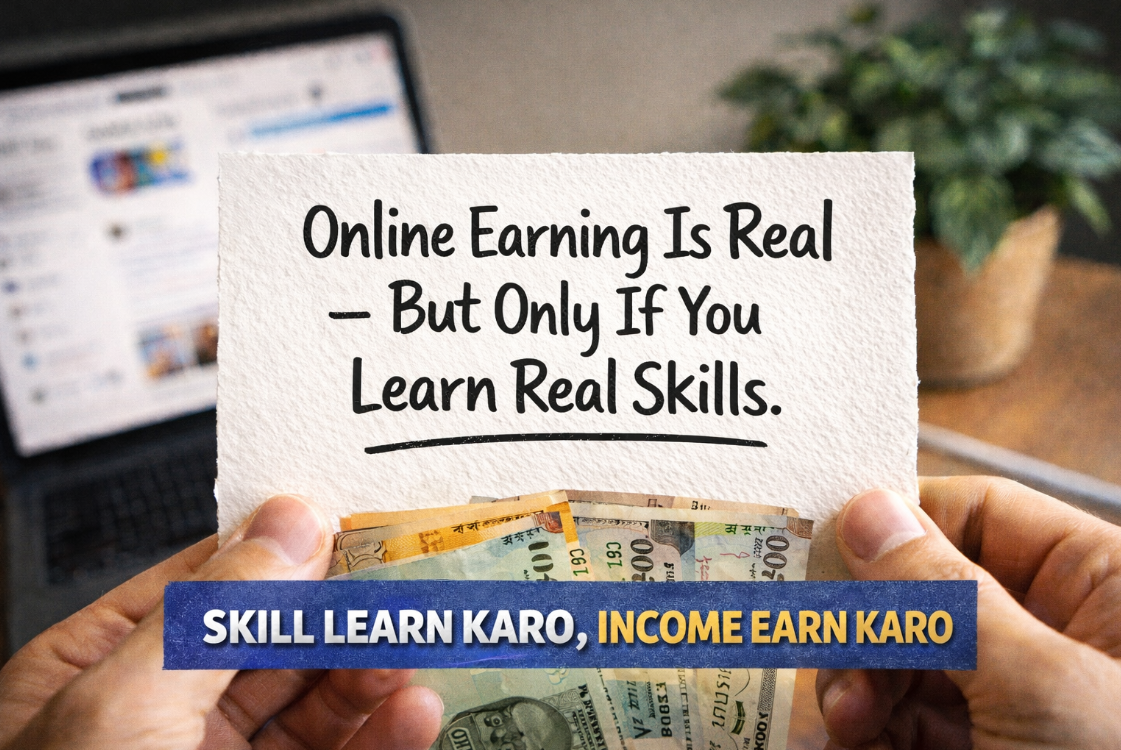
Online Earning Is Real — But Only If You Learn Real Skills Aaj kal har dusra insaan internet par paisa kamane ka tareeka dhoondh raha hai.YouTube, reels, Telegram, ads — har jagah ek hi line sunne ko milti hai: “Mobile se ghar baithe ₹500–₹5000 daily earn karein.” Sunne me achha lagta hai.Lekin sach kya hai? Sach ye hai ki online earning real hai, par utni aasaan nahi jitni dikhayi jaati hai. Internet paisa deta hai — lekin sirf un logon ko jo kuch dene layak hote hain. Shortcut Nahi, Skill Chahiye Bahut log online earning ko lottery samajh lete hain.App download, link share, referral join — aur income start. Jab aisa nahi hota, to wo bolte hain: “Online earning fake hai.” Actually problem earning me nahi hoti — approach me hoti hai. Internet par paisa “click” se nahi milta.Paisa milta hai “value” se. Jab aap kisi ka kaam aasaan karte ho, kisi ko help karte ho, ya koi service dete ho — tab earning hoti hai. Internet Ek Market Hai Simple example samjho. Market me dukaan wala tab kamata hai jab wo product deta hai.Waise hi internet bhi ek market hai. Yahan bhi earning tab hoti hai jab aap: kuch bana sakte ho kuch sikha sakte ho ya kisi ka problem solve kar sakte ho Agar aapke paas skill nahi hai, to internet aapko income nahi — sirf distraction dega. Kaunsi Skills Online Paisa Deti Hain? Real online earners mostly ye kaam karte hain: Graphic design Video editing Content writing Web development Social media management Digital marketing Data entry (proper clients ke saath) Freelancing services Inme ek common cheez hai — skill. Ye log kisi app se paisa nahi kama rahe.Ye log logon ke liye kaam karke paisa kama rahe hain. Scams Kyu Failaate Hain? Kyuki log effort nahi, shortcut dhoondhte hain. Jab koi bolta hai: “₹2000 do aur ₹20000 kamao” “Sirf WhatsApp join karo aur income start” “Daily guaranteed earning” To wo earning nahi, trap hota hai. Internet par sabse mehngi cheez paisa nahi —bewakoofi hoti hai. Real Online Earning Kaisi Hoti Hai? Real earning me: shuru me time lagta hai pehle learning hoti hai phir small earning hoti hai phir stable income banti hai Pehla client milna mushkil hota hai.Pehla ₹100 online kamaana sabse hard hota hai.Lekin uske baad raasta samajh aa jaata hai. Sabse Badi Galti Log earning start karne se pehle earning ke baare me sochne lagte hain. Pehla focus hona chahiye:“Main kya seekh sakta hoon?” Na ki:“Main kitna kama sakta hoon?” Income skill ka result hoti hai, starting point nahi. Free Resources Already Available Hain Aaj problem resources ki nahi hai.Problem consistency ki hai. Aap free me seekh sakte ho: YouTube tutorials Practice projects Free tools Real examples Jo roz 1–2 ghante honestly practice kare, wo 3–6 mahine me earning start kar sakta hai. Online Earning Ka Real Formula Simple formula: Skill → Practice → Work → Trust → Income Referral → Joining → Instant moneyye formula kabhi long-term nahi chalta. Final Message Internet fake nahi hai.Fake expectations hain. Agar aap entertainment ki tarah use karoge, time waste milega.Agar learning ki tarah use karoge, income milegi. Online earning un logon ke liye real haijo pehle khud ko valuable banate hain. Isliye… Online earning possible hai —par sirf tab, jab aap real skills seekhne ko ready ho. Dhanyawaad 🙏Seekhte raho, grow karte raho.
JAYK14
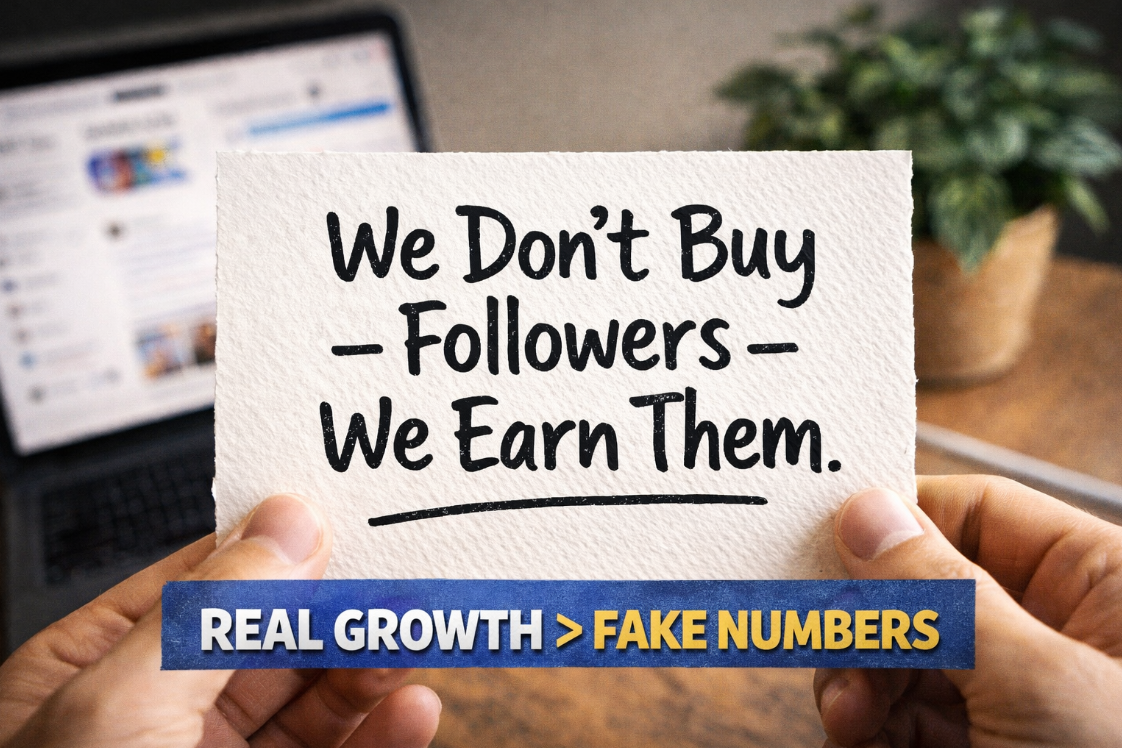
We Don’t Buy Followers — We Earn Them Aaj social media par numbers sabko dikhte hain.10K followers… 50K followers… 100K followers… Lekin sach ye hai — har number audience nahi hota. Bahut pages aaj kal growth ke shortcut use karte hain. Followers purchase karte hain, fake engagement lete hain, aur ek din me bade page jaisa dikhne lagte hain. Bahar se sab perfect lagta hai — par andar se page khaali hota hai. Kyunki follower hona aur real audience hona, dono alag cheezein hain. Followers kharide ja sakte hain, Trust nahi Paid followers: post nahi dekhte comments nahi karte share nahi karte ya bots hote hain Wo sirf number badhate hain, value nahi. Humne shuru se decide kiya tha —ye page sirf number ke liye nahi banega. Agar 1,000 log sach me padhein, samjhein, aur connect karein,to wo 100,000 fake followers se zyada important hain. Slow growth, but real growth Organic growth fast nahi hoti. Kabhi post pe kam reach aata hai.Kabhi engagement low hota hai.Kabhi lagta hai koi dekh bhi raha hai ya nahi. Lekin isi process me ek cheez banti hai — real connection. Har comment ka reply,har message ka respect,har post me effort… Dheere-dheere log sirf follower nahi rehte —community ban jaati hai. Yeh page algorithm ke liye nahi, logon ke liye hai Hum trend ke peeche nahi bhagte.Hum sirf viral hone ke liye post nahi karte. Har post ka ek purpose hota hai: kuch sikhana motivate karna help karna ya kisi ka din better banana Agar kisi ek insaan ko bhi value milti hai,to post successful hai. Humari priority numbers nahi, value hai Viral post ek din chalti hai.Valuable post yaad rehti hai. Fake followers ek din chhod dete hain.Real audience saalon tak saath rehti hai. Isliye humne shortcut nahi choose kiya.Humne consistency choose ki. Aap sirf follower nahi ho Agar aap yahan ho,to aap sirf ek number nahi ho. Aap: reader ho supporter ho aur is page ka part ho Ye page admin ka akela nahi hai.Ye page community ka hai. Real Growth ka matlab Real growth ka matlab: trust respect aur long-term connection Aur ye cheezein kharidi nahi ja sakti. Isliye… We don’t buy followers.We earn them — one post, one person, one day at a time. Dhanyawaad 🙏Aapke support ke bina ye possible nahi.
JAYK14
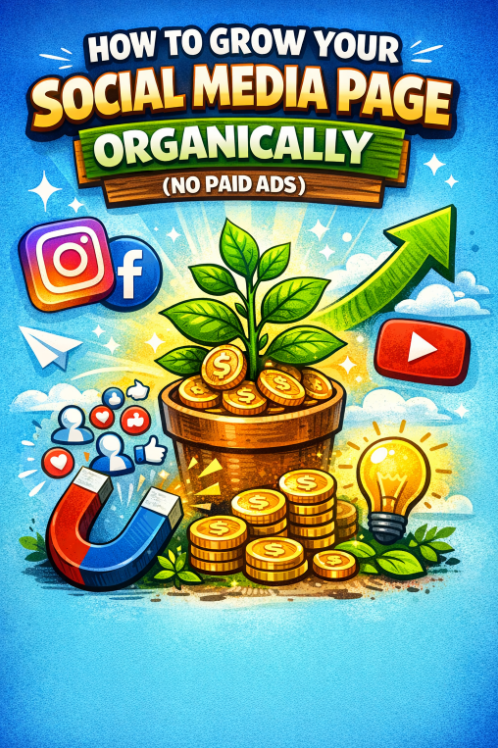
How to Grow Your Social Media Page Organically (No Paid Ads) Social media page banana aasan hai, lekin usko grow karna mushkil lagta hai — especially jab aap ads nahi chala rahe hote. Bahut log sochte hain ki growth sirf paid promotion se hoti hai. Sach ye hai ki organic growth slow hoti hai, par strong hoti hai. Paid followers aksar inactive hote hain, lekin organic followers aapka content dekhte hain, react karte hain, aur long-term audience ban jaate hain. Agar aap smart strategy follow karein, to bina ek rupaye kharch kiye bhi page grow ho sakta hai. Chaliye step-by-step samajhte hain. 1. Clear Niche Choose Karo Sabse badi galti jo new admins karte hain — random posting. Kabhi shayari, kabhi tech, kabhi news, kabhi memes. Aise page ko algorithm samajh hi nahi paata ki audience kaun hai. Aapka page ek topic par focused hona chahiye: Motivation Technology Fitness Education Business Spirituality Jab niche clear hota hai, platform ko pata chal jaata hai kisko aapka content dikhana hai. Golden Rule: Ek clear topic = clear audience = faster growth 2. Consistency Is More Important Than Talent Log quality se pehle regularity notice karte hain. Agar aap 5 din post karke 10 din gayab ho jaate ho, growth ruk jaati hai. Algorithm inactive pages ko push nahi karta. Best practice: Daily 1 post minimum Ya 5 posts per week fixed timing par Zyada perfect content se better hai regular content. 3. Timing Matters Sahi post galat time par daalne se reach gir jaati hai. Generally best times: Morning: 8–10 AM Evening: 6–9 PM Night: 10–11 PM Audience free hoti hai to engagement badhta hai. Aap apne insights me dekhkar exact time identify karo. 4. Value Do, Sirf Post Mat Karo People follow pages for benefit, not for decoration. Har post ka purpose hona chahiye: Kuch sikhaye Inspire kare Entertain kare Problem solve kare Agar user ko fayda milta hai, wo automatically follow karega. 5. Reels Are Your Growth Engine Aaj organic reach ka sabse bada source hai short video content. Reasons: Platforms reels ko push karte hain New audience milti hai Shareability high hoti hai Strategy: 20–40 second videos Clear message First 3 seconds strong hook Reels aapko non-followers tak pahuchaati hain. 6. Captions & Hooks Use Karo Log post tabhi padhenge jab first line interesting hogi. Example hooks: “Ye galti har beginner karta hai…” “Agar aapka page grow nahi ho raha, ye reason hai…” “Sirf 30 din me difference dikhega…” Hook attention pakadta hai, engagement badhata hai. 7. Comments Ka Reply Zaroor Karo Social media ek broadcast system nahi, conversation system hai. Jab admin reply karta hai: User respected feel karta hai Repeat engagement aata hai Algorithm positive signal leta hai Simple “Thanks 🙏” bhi kaam karta hai. 8. Shareable Content Banao Growth ka secret: shareability Log kya share karte hain? Relatable posts Useful tips Emotional content Quick learning posts Agar post share ho raha hai, to algorithm automatically reach badha deta hai. 9. Hashtags Smartly Use Karo Hashtags kaam karte hain, par overuse nahi. Best: 5–10 relevant hashtags Niche-specific hashtags Generic + specific mix Galti:50 hashtags = spam signal 10. Patience Rakho (Most Important) Organic growth slow hoti hai: 1st month → learning 2nd month → small reach 3rd month → real growth start Most pages fail kyunki log 15–20 din me give up kar dete hain. Social media farming jaisa hai — beej aaj lagta hai, ped baad me ugta hai. Final Thoughts Page grow karne ka secret koi hidden trick nahi hai.Sirf 4 cheezein matter karti hain: Clear niche Consistent posting Valuable content Audience interaction Ads se followers milte hain,value se community banti hai. Agar aap daily thoda effort karte rahoge, to bina paid promotion ke bhi strong page build ho sakta hai.
JAYK14
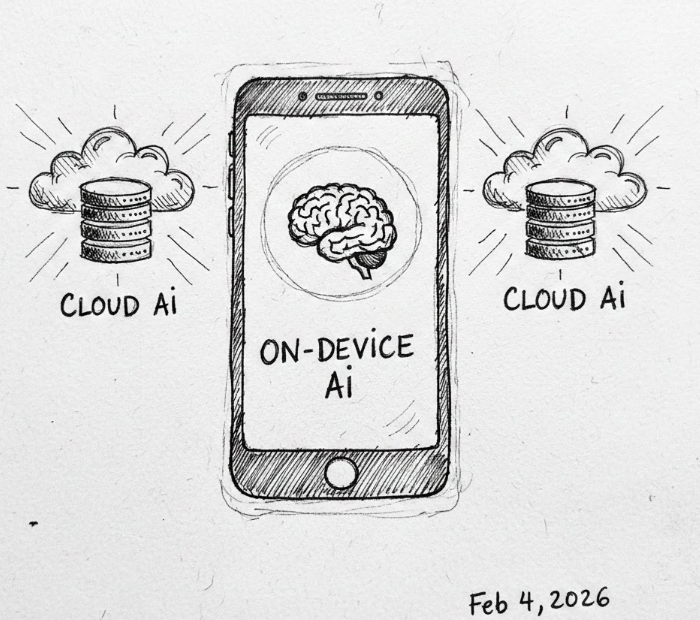
On-Device AI vs Cloud AI: Who Is Best for Daily Life Apps? Aaj hum jo apps roz use karte hain—camera, messages, maps, payments, health trackers, notes—un sab ke peeche AI quietly kaam kar raha hota hai. 2026 tak aate-aate ye AI aur zyada common ho chuka hai. Par ek basic sawal har jagah relevant hai: AI kahan chale?Aapke device par, ya cloud par? Isi se nikalta hai real debate—On-Device AI vs Cloud AI—aur aaj hum seedha, practical tareeke se dekhenge ki daily life apps ke liye kaunsa best hai. On-Device AI Kya Hai? On-Device AI ka matlab hai AI processing seedha aapke phone, watch, laptop ya car par hoti hai. Data device se bahar nahi jaata. Daily examples: Phone unlock (face/fingerprint) Camera scene detection Voice typing (offline) Spam call detection Health alerts (heart rate, steps) Keyboard suggestions Yahan AI aapke saath rehta hai. Cloud AI Kya Hai? Cloud AI me data internet ke through servers par jaata hai, wahan powerful models process karte hain, phir result wapas aata hai. Daily examples: Chat assistants Recommendations (videos, products) Large translations Search understanding Content generation Yahan AI door baithkar madad karta hai. Speed & Responsiveness: Kaun Best? Daily apps me sabse important hota hai instant response. Camera open karte hi scene detect ho Keyboard turant suggest kare Call aate hi spam alert mile 🏆 Winner: On-Device AI On-device AI ko internet ka wait nahi karna padta. Zero lag. Real-time actions ke liye ye unbeatable hai. Cloud AI fast ho sakta hai, par network delay daily use me noticeable hota hai. Privacy & Trust: Kaun Best? Aaj data sabse sensitive cheez hai: Photos Voice Location Health metrics 🏆 Winner: On-Device AI On-device AI me data aapke device par hi rehta hai. Users naturally zyada trust karte hain. Cloud AI secure ho sakta hai, par data bhejna hi padta hai—aur yahin doubt start hota hai. Daily life me trust matters. Reliability & Offline Use: Kaun Best? Real life hamesha perfect network nahi deta: Lift me Train me Remote area me Travel ke time 🏆 Winner: On-Device AI On-device AI offline bhi kaam karta hai. Cloud AI internet ke bina ruk jaata hai. Daily apps ke liye reliability non-negotiable hai. Power & Intelligence: Kaun Strong? Yahan picture thodi balanced ho jaati hai. Complex reasoning Long conversations Large data analysis 🏆 Winner: Cloud AI Cloud AI ke paas zyada computing power hoti hai. Bade models, deep understanding—ye sab cloud me better chalta hai. Battery & Data Usage: Kaun Better? On-Device AI Optimized chips ke saath efficient Kam data usage Smart processing Cloud AI Internet usage Background data Network dependency 🏆 Winner: On-Device AI (for daily use) Roz ke kaam me battery aur data dono bachaana zaroori hai. Cost & Scale: Kaun Practical? Companies ke liye: Cloud AI = server + bandwidth cost On-device AI = user device power use Users ke liye: On-device = subscription kam Cloud = ongoing services 🏆 Winner: On-Device AI (mass apps ke liye) Daily apps millions log use karte hain—cost efficiency yahan matter karti hai. So… Daily Life Apps ke liye Kaun Best? Ab seedha verdict. Daily life apps ka matlab: Camera Phone Health Notes Maps Payments Keyboard In sab me users chahte hain: Speed Privacy Reliability Low friction 🏆 BEST FOR DAILY LIFE APPS: ON-DEVICE AI Cloud AI important hai, par mostly background support ke liye: Learning Updates Heavy tasks Real Future: Hybrid Approach Sach ye hai ki 2026 me best apps dono ka combo use karte hain: On-Device AI → instant actions Cloud AI → heavy intelligence Par user experience ka control on-device AI ke paas hota hai.
 Tech Desk
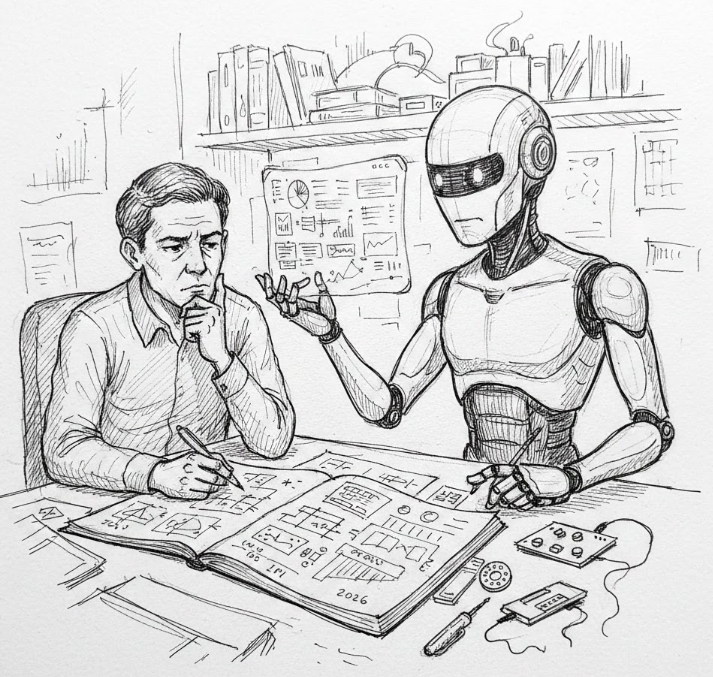
AI Tools vs Human Skills: Who Truly Wins in the Real World? Aaj ke time me technology itni fast ho chuki hai ki har field me ek hi sawal ghoom raha hai:“AI aa gaya hai, to kya human skills ki ab koi value bachi hai?” Koi bolta hai AI sab replace kar dega.Koi bolta hai insaan bekaar ho jaayega.Aur koi bolta hai future sirf machines ka hai. Lekin jab hum hype aur fear ko side me rakhkar real life dekhte hain, to picture kaafi alag nazar aati hai. AI Tools Kya Hain? AI tools wo software hote hain jo data aur patterns ke base par kaam karte hain. Ye tools: Code likh sakte hain Content generate kar sakte hain Images bana sakte hain Data analyze kar sakte hain Repetitive kaam fast kar sakte hain AI tools ka main goal hota hai: Speed badhaana aur effort kam karna AI thakta nahi, complain nahi karta, aur 24×7 kaam kar sakta hai. Human Skills Kya Hain? Human skills wo cheezein hain jo sirf insaan ke paas hoti hain: Samajh (understanding) Soch (thinking) Creativity Empathy Decision-making Ethics Experience se aayi wisdom Human sirf kaam nahi karta,human context samajhta hai. Speed & Efficiency: Kaun Jeetega? AI Tools Seconds me kaam complete Repetitive tasks me unbeatable Large data handle kar sakta hai Human Skills Slow ho sakte hain Thak jaate hain 🏆 Winner (Speed): AI Tools Isme koi debate nahi hai. Understanding & Judgment: Kaun Better Hai? AI Tools Pattern samajhte hain Data ke base par decision dete hain Lekin emotion aur intention nahi samajhte Human Skills Situation ko samajhte hain Context aur consequences dekhte hain Right vs wrong ka sense hota hai 🏆 Winner (Judgment): Human Skills Real life decisions data se zyada samajh maangte hain. Creativity & Original Thinking: Kaun Jeetega? AI Tools Existing cheezon ko remix kar sakte hain Trends follow karte hain Naya create kam, combine zyada karte hain Human Skills Pain se creativity nikalte hain Experience se ideas aate hain Emotion ke saath create karte hain 🏆 Winner: Human Skills AI ka output acha ho sakta hai,lekin soul human hi deta hai. Emotional Intelligence: Kaun Aage Hai? AI Tools Emotion simulate kar sakta hai Lekin feel nahi kar sakta Human Skills Dard samajh sakta hai Situation ke hisaab se react karta hai Trust build karta hai 🏆 Winner: Human Skills Counseling, leadership, teaching, negotiation —yahan AI kaafi peeche hai. Problem Solving in Uncertain Situations Real world problems: Clear nahi hote Data incomplete hota hai Rules change hote rehte hain AI Tools Confusion me fail ho sakta hai Human Skills Uncertainty me bhi decision leta hai 🏆 Winner: Human Skills Life exam jaisa nahi hota jahan answers fixed ho. Consistency & Scale: Kaun Strong Hai? AI Tools Kabhi bore nahi hota Scale easily ho jaata hai Human Skills Energy aur mood pe depend 🏆 Winner: AI Tools Yahin AI ka sabse bada strength hai. So… Kaun Jeetega? (Real Answer) Agar aap sirf ye pooch rahe ho: “AI vs Human — kaun jeetega?” To answer galat question hai. Real Winner Hai: Human + AI AI tools: Speed dete hain Support dete hain Repetition handle karte hain Human skills: Direction dete hain Meaning dete hain Responsibility lete hain AI bina human ke dangerous ho sakta hai.Human bina AI ke slow ho sakta hai. Future Me Kaun Safe Hai? Jo sirf manual kaam karta hai → risk Jo sirf AI pe depend karta hai → risk Jo AI ko tool samajh ke use karta hai → 🔥 safe 2026 me sabse valuable log wo honge: Jo thinking jaante hain Jo decision le sakte hain Aur jo AI ko smartly use karte hain Final Verdict Speed & automation → 🏆 AI Tools Judgment & creativity → 🏆 Human Skills Real-world success → 🏆 Human + AI AI kaam ko fast banata hai,insaan kaam ko sahi banata hai।
Tech Desk
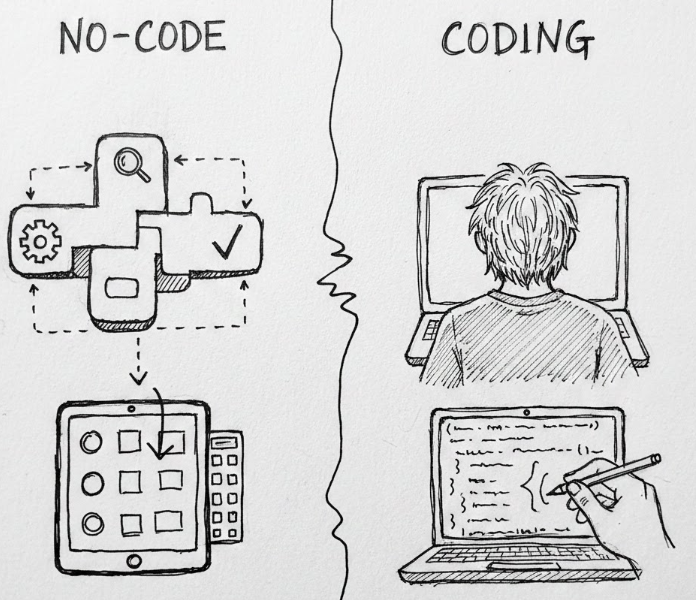
Technology ka ek time tha jab software banana sirf programmers ka kaam maana jaata tha. Lekin 2026 tak aate-aate scene kaafi badal chuka hai. Aaj bina code likhe bhi apps ban rahe hain, websites launch ho rahi hain, aur business tools ready ho jaate hain. Isi wajah se ek naya debate strong ho gaya hai: No-Code ya Coding — kaunsa better hai?Aur sabse important sawal: 2026 me real life ke liye kaunsa best hai? Iska jawab simple “yeh best hai” jaisa nahi hai. Sach thoda gehra hai. No-Code Kya Hai? No-Code platforms aise tools hote hain jahan: Coding likhne ki zarurat nahi hoti Drag-and-drop se app ban jaati hai Ready-made templates milte hain Logic visual blocks me set hota hai No-Code ka main aim hai: Software banana non-technical logon ke liye bhi possible banana No-Code ka use hota hai: Simple websites Landing pages Internal business tools MVPs (idea test karne ke liye) Dashboards aur forms Coding Kya Hai? Coding matlab traditional software development: Programming languages ka use Custom logic likhna Databases, servers, APIs handle karna Performance, security, scalability ka control Coding me: Time zyada lagta hai Skill aur experience chahiye Lekin power bhi zyada hoti hai Coding ka matlab sirf code likhna nahi,poore system ko samajhna hota hai. Speed: Kaun Zyada Fast Hai? No-Code App minutes ya days me ready Idea jaldi test ho jaata hai Business ke liye fast results Coding Planning aur development me time lagta hai Testing aur debugging required 🏆 Winner (Speed): No-Code Agar speed chahiye, No-Code clearly aage hai. Flexibility & Control: Kaun Better Hai? No-Code Platform ki boundaries hoti hain Complex features mushkil Custom logic limited Coding Full freedom Jo socho, wo bana sakte ho Koi platform limit nahi 🏆 Winner (Control & Flexibility): Coding Jahan customization important ho, coding hi kaam aati hai. Performance & Scalability: Kaun Jeetega? No-Code Small to medium apps ke liye theek High traffic par issues aa sakte hain Coding High-performance systems possible Enterprise-level scaling 🏆 Winner (Performance): Coding Large-scale products ke liye No-Code abhi ready nahi. Cost: Kaun Zyada Affordable Hai? No-Code Initial cost kam Developer hire karne ki zarurat nahi Subscription based tools Coding Developer cost zyada Long-term me ownership milti hai 🏆 Winner (Short Term): No-Code🏆 Winner (Long Term): Coding Security & Reliability: Kaun Best Hai? No-Code Platform ke security rules par depend Limited control Coding Custom security layers Data par full control 🏆 Winner: Coding Sensitive data aur serious systems ke liye coding safer hai. Career & Skills: Kaun Zyada Future-Proof Hai? No-Code Non-technical logon ke liye great Founders aur managers ke liye useful Coding Deep tech understanding Long-term career stability High-paying roles 🏆 Winner (Career Growth): Coding No-Code tool seekhna easy hai,lekin coding skill ka replacement nahi. 2026 Me Industry Ka Real Use 2026 me smart companies ek side nahi choose kar rahi, wo dono use kar rahi hain: No-Code → Fast ideas, internal tools, prototypes Coding → Core products, scalable platforms Industry ka mantra ban chuka hai: “Har problem ke liye code likhna zaroori nahi,aur har jagah No-Code kaam ka nahi.” Toh… Who Is Best? (Clear Answer) 🏆 BEST FOR SPEED & SIMPLE APPS: No-Code 🏆 BEST FOR POWER & SERIOUS PRODUCTS: Coding Agar ek hi choose karna pade: No-Code helps you start.Coding helps you scale. Real Truth No-Code coding ko khatam nahi kar raha.Coding No-Code se threaten nahi ho rahi. Dono ka role alag hai. 2026 ka best developer ya builder wo hai jo: Coding jaanta ho No-Code tools bhi samajhta ho Situation ke hisaab se sahi option choose kare
Tech Desk
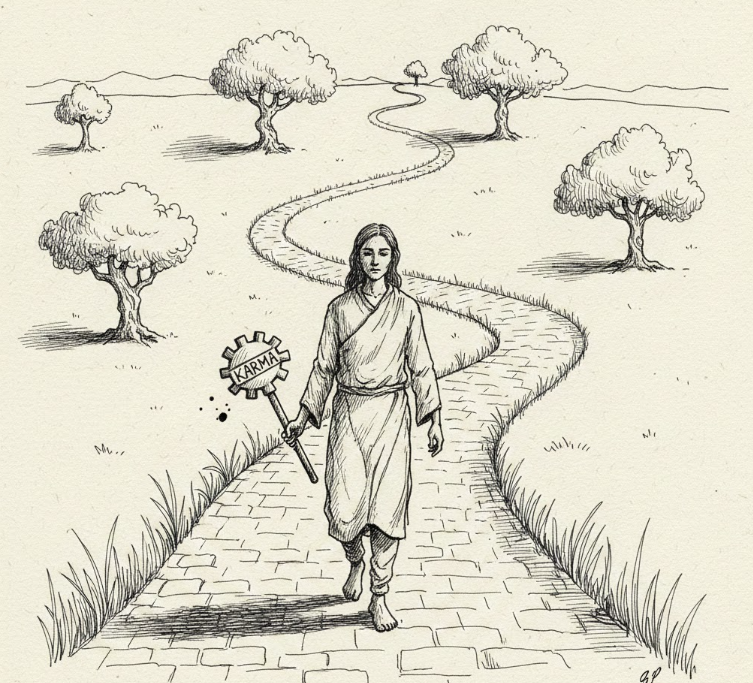
🕉️ कर्म बनाम किस्मत: ज़िंदगी को सच में कौन चलाता है? ज़िंदगी में हर इंसान के मन में कभी न कभी ये सवाल आता है —“ये सब मेरे कर्मों की वजह से हो रहा है या मेरी किस्मत में यही लिखा था?” जब मेहनत करने के बाद भी नतीजा नहीं मिलता, तो हम किस्मत को दोष देते हैं।और जब बिना ज़्यादा कोशिश के कुछ अच्छा मिल जाता है, तो उसे भी किस्मत कह देते हैं। लेकिन सच ये है कि कर्म और किस्मत दोनों ही ज़िंदगी का हिस्सा हैं, बस हम अक्सर उनके रोल को गलत समझ लेते हैं। 🔹 कर्म क्या है? कर्म का मतलब है — आपके विचार, आपके फैसले और आपके काम।जो आप आज सोचते हो, बोलते हो और करते हो — वही आपका कर्म है। कर्म सिर्फ बड़े फैसले नहीं होते, कर्म वो भी होते हैं: सच बोलना या झूठ गुस्से में खुद को रोकना या बह जाना सही करना जब गलत आसान हो किसी को माफ़ करना या बदला लेना हर छोटा कर्म भी बीज की तरह होता है। 🔹 किस्मत क्या है? किस्मत वो परिस्थितियाँ हैं जिनके साथ आप पैदा हुए: आपका परिवार आपकी जगह आपकी शुरुआती हालत कुछ घटनाएँ जो आपके कंट्रोल में नहीं थीं किस्मत वो ज़मीन है जिस पर आपकी ज़िंदगी शुरू होती है —लेकिन कहानी वहीं खत्म नहीं होती। 🔹 गलतफ़हमी: सब कुछ किस्मत में लिखा है बहुत लोग मान लेते हैं कि: “जो होना है, वो होकर रहेगा।” ये सोच इंसान को धीरे-धीरे कमजोर बना देती है।अगर सब कुछ पहले से लिखा होता, तो: मेहनत का कोई मतलब नहीं सुधार की कोई ज़रूरत नहीं और इंसान सिर्फ शिकायत करने वाला बन जाता किस्मत शुरुआत तय कर सकती है,मंज़िल नहीं। 🔹 कर्म: जो किस्मत को बदल सकता है कर्म का सबसे बड़ा सच यही है कि कर्म भविष्य की किस्मत बनाता है। आज का सही कर्म: कल की मुश्किल को आसान करता है धीरे-धीरे हालात बदल देता है इंसान को मज़बूत बनाता है कई लोग खराब हालात से उठकर आगे बढ़ते हैं —क्योंकि उन्होंने कर्म नहीं छोड़ा। 🔹 जब कर्म सही हो और फिर भी सब गलत लगे यहाँ आकर ज़्यादातर लोग टूट जाते हैं। आप मेहनत करते होआप ईमानदार रहते होफिर भी रिज़ल्ट नहीं आता तब सवाल उठता है:“फिर कर्म का क्या फ़ायदा?” यहीं पर आध्यात्म (Spirituality) सिखाता है किहर कर्म का फल तुरंत नहीं मिलता। कुछ कर्म: आपको सब्र सिखाने आते हैं कुछ आपको अंदर से बदलने आते हैं कुछ आपको गलत रास्ते से बचाने आते हैं फल देर से मिलता है,पर व्यर्थ नहीं जाता। 🔹 किस्मत कर्म को रोक नहीं सकती किस्मत: रास्ते मुश्किल कर सकती है स्पीड कम कर सकती है आपको टेस्ट कर सकती है लेकिन अगर कर्म सच्चा हो, तोकिस्मत उसे रोक नहीं सकती। इतिहास, धर्म और जीवन — तीनों यही बताते हैं: कर्म से भागने वाला हारता है,कर्म करने वाला देर से सही, पर जीतता ज़रूर है। 🔹 Spiritual Truth: कर्म और किस्मत लड़ते नहीं, साथ चलते हैं असली सच ये है कि: किस्मत आपको स्थिति देती है कर्म आपको दिशा देता है किस्मत सवाल पूछती है:“अब क्या करोगे?” और कर्म जवाब देता है। भगवान किस्मत से नहीं, कर्म से खुश होते हैं। 🔹 अगर सब किस्मत है, तो इंसान ज़िम्मेदार क्यों हो? यही सबसे बड़ा सवाल है। अगर सब किस्मत में लिखा होता, तो: गलत करने वाला दोषी क्यों? अच्छा करने वाला पूजनीय क्यों? इसका मतलब साफ है —कर्म मायने रखता है। 🔹 जीवन का संतुलन यहीं है आध्यात्म ये नहीं कहता कि किस्मत को नकार दो।और ये भी नहीं कहता कि कर्म से सब बदल जाएगा। आध्यात्म कहता है: जो आपके हाथ में है, वो कर्म है।जो आपके हाथ में नहीं, उसे किस्मत कहकर स्वीकार करो। यही शांति का रास्ता है। 🔹 तो आखिर ज़िंदगी कौन चलाता है? सीधा, साफ़ और सच्चा जवाब: शुरुआत → किस्मत दिशा → कर्म मंज़िल → कर्म + ईश्वर की कृपा अगर कर्म सही है,तो किस्मत झुकती है। किस्मत आपको मौका देती है,कर्म तय करता है कि आप उसके साथ क्या करते हो। जो कर्म पर भरोसा करता है,वही भगवान पर सच्चा भरोसा करता है।
 Mahakal Ki Diwani
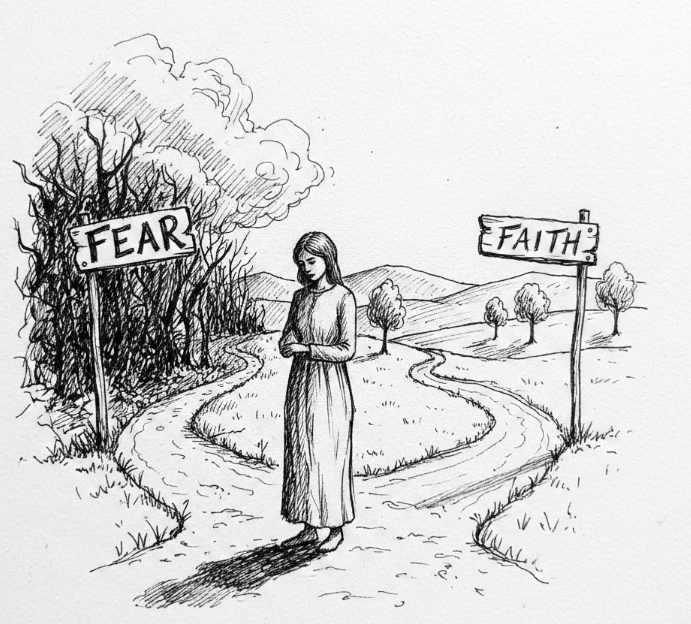
Life hamesha clear instructions ke saath nahi aati. Zyada tar waqt, life confusion ke saath aati hai. Kabhi career ko lekar, kabhi paison ko lekar, kabhi rishton ko lekar, aur kabhi future ko lekar. Aise hi moments me ek silent battle chal rahi hoti hai — faith aur fear ke beech. Fear bolta hai: “Agar sab galat ho gaya to?”Faith bolta hai: “Agar sab theek ho gaya to?” Ye dono awaazein hamesha saath chalti hain. Lekin sawal ye hai — life ko kaun guide karta hai? Fear Natural Hai, Lekin Faisla Karna Uska Kaam Nahi Fear ka hona galat nahi hai. Fear insaan ko safe rehna sikhata hai. Lekin problem tab hoti hai jab fear decision lene lagta hai. Fear ke under liye gaye faisle: Hamesha short-term safety choose karte hain Risk se door bhagate hain Growth ko delay kar dete hain Dil ki awaaz ko daba dete hain Fear aapko rokta hai, bachata nahi. Faith Andha Bharosa Nahi Hota Bahut log samajhte hain ki faith ka matlab aankh band karke sab bhagwan pe chhod dena. Lekin sachchi shraddha aisi nahi hoti. Faith ka matlab hota hai: Mehnat karna, par ghabrana nahi Result control me na hone par bhi shaant rehna Galat hone ke darr ke bawajood sahi kadam uthana Faith reality se bhaagna nahi, reality ko himmat ke saath face karna hota hai. Jab Life Control Me Na Ho, Tab Faith Kaam Aata Hai Life ke kuch phase aise hote hain jab: Planning fail ho jaati hai Logic kaam nahi karta Support kam ho jaata hai Aise waqt me fear naturally badhta hai. Aur usi waqt faith ki zarurat hoti hai — isliye nahi ki wo answer deta hai, balki isliye ki wo himat deta hai. Faith ke saath aap ye keh paate ho: “Main poora raasta nahi dekh sakta,par agla kadam uthane ki taakat hai.” Fear Future Se Aata Hai, Faith Present Me Rakhta Hai Fear hamesha future me rehta hai: Kal kya hoga? Agar fail ho gaye to? Agar log judge karenge to? Faith aapko present me laata hai: Aaj kya kar sakte ho Abhi kaunsa kadam zaroori hai Is pal me kya sahi hai Life present me jeeni hoti hai. Fear future me atka deta hai. Faith Life Ko Easy Nahi, Meaningful Banata Hai Ye sach hai ki faith life ko magically easy nahi bana deta. Problems rehti hain. Dard rehta hai. Questions rehte hain. Lekin faith life ko meaningful bana deta hai. Jab dard aata hai, faith kehta hai: “Is dard ka bhi koi matlab hoga.” Jab raasta band lagta hai, faith kehta hai: “Kuch seekhne ko mil raha hoga.” Fear Aapko Akela Kar Deta Hai, Faith Jodta Hai Fear ke time: Insaan khud me band ho jaata hai Sab par shak hone lagta hai Dil bhari rehta hai Faith ke time: Insaan khud se judta hai Bhagwan se judta hai Aur dheere-dheere logon se bhi Faith akela hone ka matlab nahi hota.Faith ka matlab hota hai — akela hokar bhi toota hua na hona. Daily Life Me Faith Ka Matlab Faith ka matlab sirf pooja ya mantra nahi hota. Faith ka matlab hota hai: Sach bolna jab jhoot asaan ho Mehnat karna jab result door ho Sahi karna jab galat fayda de raha ho Umeed rakhna jab sab chup ho Ye chhoti chhoti baatein hi life ko sahi direction deti hain. Fear Jeet Jaaye To Zindagi Chhoti Ho Jaati Hai Agar fear jeet gaya: Sapne chhote ho jaate hain Risk lena band ho jaata hai Insaan andar se thak jaata hai Agar faith jeet gaya: Zindagi gehri ho jaati hai Insaan majboot ho jaata hai Aur har phase meaningful lagne lagta hai So… Faith vs Fear: Kaun Jeetta Hai? Jo aap roz choose karte ho — wahi jeetta hai. Faith ek din me strong nahi hota.Fear ek din me khatam nahi hota. Par har din: Thoda bharosa Thoda saahas Thodi shraddha Life ka balance bana deti hai. Fear aapko bachane ki koshish karta hai,Faith aapko jeena sikhata hai. Life ko guide karna hai todarr nahi — bharosa chuno.
Mahakal Ki Diwani

Life me aise phase aate hain jab lagta hai jaise bhagwan chup ho gaye hain. Aap pooja karte ho, dua maangte ho, mehnat karte ho, phir bhi kuch badalta nahi. Na koi ishara, na koi jawab. Sirf khamoshi. Aur tab dil se ek sawal uthta hai:“Kya bhagwan mujhe sun bhi rahe hain?” Sach ye hai ki bhagwan ki khamoshi ka matlab nafrat ya ignore karna nahi hota. Aksar bhagwan tab chup hote hain jab wo aapko andar se taiyaar kar rahe hote hain. Khamoshi Ka Matlab Inkaar Nahi Hota Hum log aadat daal chuke hain turant jawab ki. Agar reply nahi aaya, to samajh lete hain ki baat khatam. Lekin bhagwan ka system alag hota hai. Wo hamesha bolkar kaam nahi karte. Kabhi-kabhi wo: Aapko rukna sikha rahe hote hain Sahan shakti badha rahe hote hain Aapki soch ko gehra kar rahe hote hain Khamoshi ek tareeka hota hai — andar ki awaaz sunane ka. Bhagwan Jawab Se Pehle Aapko Mazboot Banate Hain Agar bhagwan bina taiyaari ke aapki har dua poori kar dein, to shayad aap sambhal hi na pao. Har cheez ka waqt hota hai. Socho: Agar zimmedaari pehle aa jaaye aur himmat baad me mile Agar safalta mil jaaye aur samajh baad me aaye To safalta bhi bojh ban jaati hai. Isliye bhagwan pehle insaan ko badalte hain, phir situation ko. Khamoshi Mein Aapki Asli Shraddha Test Hoti Hai Jab sab theek hota hai, tab bhagwan par bharosa rakhna aasaan hota hai. Lekin jab: Dua ka jawab na mile Raasta saaf na ho Future dhundhla lage Tab jo bharosa tik jaaye, wahi sachchi bhakti hoti hai. Bhagwan shayad dekh rahe hote hain: Kya aap sirf result ke liye yaad kar rahe ho? Ya sach me un par bharosa hai? Khamoshi Aapko Akelepan Se Dosti Karna Sikhaati Hai Bhagwan ke chup rehne ka ek matlab ye bhi hota hai ki aap apne saath rehna seekho. Aaj kal hum hamesha shor me jeete hain — log, phone, social media. Khamoshi: Aapko apne dar dikhati hai Aapki kamzori dikhati hai Aur aapki asli taakat bhi Jab sab awaaz band hoti hai, tab andar ki awaaz sunai deti hai. Jo Cheez Der Se Milti Hai, Wo Gehri Hoti Hai Bhagwan jo cheez der se dete hain, wo aksar: Zyada stable hoti hai Zyada lasting hoti hai Aur zyada meaningful hoti hai Jaldi milne wali cheezein aksar jaldi chhoot bhi jaati hain. Bhagwan sirf dene me nahi, bachane me bhi vishwas rakhte hain. Aaj Ka Dard Kal Ki Samajh Banta Hai Aaj jo samajh nahi aa raha, wahi kal aapko samjhdaar banayega. Jo dard aaj bina wajah lag raha hai, wahi kal kisi aur ke liye roshni ban sakta hai. Bhagwan kabhi bhi aapko bekaar ka dukh nahi dete. Bhagwan Ki Khamoshi Mein Bhi Kripa Hoti Hai Kripa hamesha khushi ke roop me nahi aati. Kabhi-kabhi wo: Rukawat ban kar aati hai Der ban kar aati hai Aansu ban kar aati hai Par hoti kripa hi hai. Bas Itna Yaad Rakho Agar aaj bhagwan chup hain: To matlab wo door nahi gaye Wo bas aapko andar se taiyaar kar rahe hain Jab waqt sahi hoga, jawab shor se nahi — shanti se aayega. Bhagwan ki khamoshi bhi ek dua hoti hai,bas uska matlab samajhne ke liyethoda rukna padta hai.
Mahakal Ki Diwani

True Spirituality Is Not Escaping Life, It Is Understanding It Spirituality ko aksar galat samjha jaata hai. Kuch log sochte hain ki spirituality ka matlab duniya chhod dena hai, sab kuch tyag dena hai, ya bas mandir, masjid, gurudwara ya church tak simit rehna hai. Lekin sach ye hai ki true spirituality life se bhaagna nahi, life ko gehrai se samajhna hai. Bhakti aur spirituality ka asli matlab hai apne andar jhaankna, apni soch ko shuddh karna, aur apne karm ko behtar banana. Bhakti Shor Mein Nahi, Shanti Mein Hoti Hai Aaj ke time me bhakti ko bhi performance bana diya gaya hai. Zyada bolna, zyada dikhana, zyada prove karna — jaise bhagwan ko bhi convince karna ho. Lekin bhakti ko shabdon ki zarurat nahi hoti. Bhakti hoti hai: Jab aap chup rehkar bhi bharosa karte ho Jab jawab na milne par bhi vishwas nahi todte Jab dukh me bhi shikayat kam aur shraddha zyada hoti hai Bhagwan awaaz nahi sunte, bhaav sunte hain. Spirituality Aapse Perfect Hone Ko Nahi Kehti Bahut log sochte hain ki pehle perfect banna padega, tab bhagwan ke paas jaa sakte hain. Pehle paap chhodna padega, pehle galtiyan sudharni padegi. Lekin sach ye hai ki bhagwan perfect logon ke nahi, sache logon ke saath hote hain. Spirituality ka matlab ye nahi ki aap kabhi gusse me nahi aayenge, kabhi girenge nahi, kabhi galti nahi karenge.Spirituality ka matlab hai: Girkar bhi sudharna Galti maan lena Aur dheere-dheere behtar banna Bhagwan process dekhte hain, result nahi. Bhakti Dar Se Nahi, Prem Se Aati Hai Agar aap bhagwan ko sirf isliye yaad karte ho kyunki dar lagta hai — to wo bhakti nahi, majboori hai. Bhakti tab hoti hai jab: Aap bina matlab bhagwan ko yaad karte ho Bina maangey shukr ada karte ho Bina sawal kiye bharosa rakhte ho Prem wali bhakti shant hoti hai. Usme koi shor nahi hota, koi drama nahi hota. Sirf ek gehra sambandh hota hai — aatma aur ishwar ke beech. Spirituality Roz Ke Karmon Mein Chhupi Hoti Hai Spiritual hona sirf pooja karna nahi hota. Spiritual hona hota hai: Sach bolna jab jhooth asaan ho Sahi karna jab galat faydemand ho Maaf karna jab badla lena aasaan ho Shant rehna jab gussa justified ho Agar aap roz ke jeevan me sahi karm kar rahe ho, to aap already spiritual ho — chahe aap zyada pooja na bhi karte ho. Bhagwan Aapko Todte Nahi, Banaate Hain Bahut log dukh ke time bolte hain:“Bhagwan mujhe kyu tod rahe hain?” Sach ye hai ki bhagwan todte nahi, andar se majboot banaate hain. Jaise sone ko tapaya jaata hai taaki wo shuddh bane, waise hi insaan ko mushkil samay se guzarna padta hai taaki uski soch shuddh ho. Dukh: Ahankaar kam karta hai Sachchai dikhata hai Aur bhagwan ke kareeb laata hai Jo vyakti kabhi toot ke nahi guzra, wo gehra nahi hota. Spirituality Jawab Nahi, Sahan Shakti Deti Hai Bhakti aapko har sawal ka jawab nahi deti. Wo aapko har sawal ke saath jeene ki taakat deti hai. Kabhi-kabhi bhagwan shanti dete hain, samadhan nahi.Kabhi-kabhi raasta dikhate hain, wajah nahi. Aur wahi asli kripa hoti hai. Akelepan Mein Bhagwan Sabse Kareeb Hote Hain Jab sab log saath hote hain, tab bhagwan ki kami mehsoos nahi hoti. Lekin jab aap bilkul akele hote ho — tab bhagwan ki maujoodgi mehsoos hoti hai. Akelepan mein: Aankhon ke aansu asli hote hain Duaein sachchi hoti hain Aur bhakti bina shabd ke hoti hai Bhagwan akelepan se darte nahi, usme milte hain. Sachchi Bhakti Aapko Naraz Nahi, Narami Sikhaati Hai Agar bhakti aapko ghamandi, gusse wala, ya dusron se alag kar rahi hai — to shayad wo bhakti nahi, ego hai. Sachchi bhakti: Narami laati hai Samajh badhaati hai Daya sikhaati hai Aur dil ko halka karti hai Bhagwan ke kareeb hone ka matlab hai insaan ke kareeb hona. Ant Mein Sirf Itna Yaad Rakho Bhagwan aapse zyada kuch nahi chahte.Na perfect insaan, na zyada gyaan. Bas: Ek sachcha dil Thoda bharosa Aur sahi niyat Itna kaafi hai. Spirituality koi manzil nahi — ek safar hai, jo aapko dheere-dheere behtar insaan banaata hai. Bhagwan mandiron mein nahi,Bhagwan us dil mein rehte hainjo sachcha, shaant aur daya se bhara ho.
Mahakal Ki Diwani
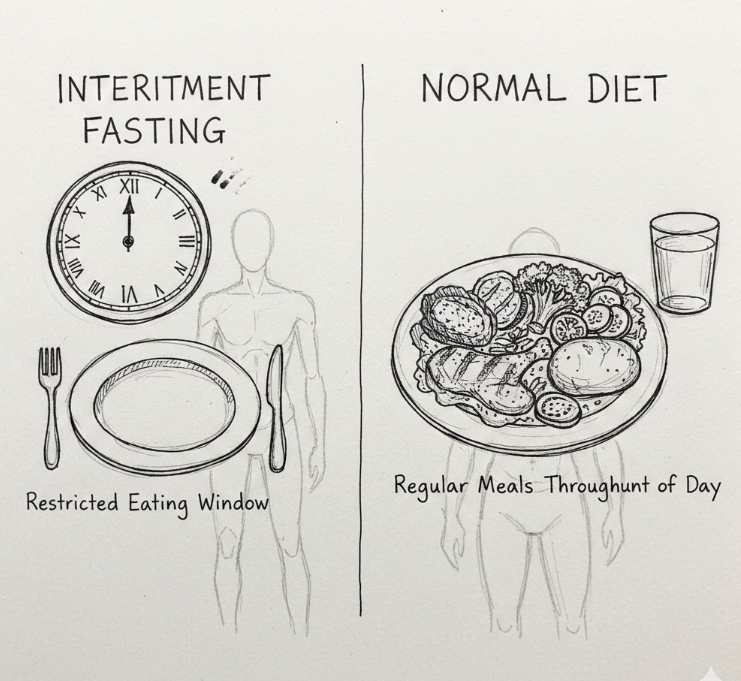
Intermittent Fasting vs Normal Diet: Who Is Best for Health & Fitness? Aaj ke time me health aur weight loss ko lekar sabse zyada confusion isi baat par hota hai:“Intermittent Fasting follow karein ya Normal Diet?” Social media par koi fasting ko magic bolta hai, koi kehta hai fasting dangerous hai. Koi bolta hai din me 2 baar khaana best hai, koi kehta hai 5–6 meals zaroori hain. Is noise ke beech sach samajhna mushkil ho jaata hai. 2026 me jab log lifestyle diseases, busy routines aur mental stress se fight kar rahe hain, tab yeh decide karna zaroori ho gaya hai ki real life me kaunsa approach zyada kaam karta hai. What Is Intermittent Fasting (IF)? Intermittent Fasting ka matlab hai khaane ka time control karna, khaane ka type change karna zaroori nahi hota. Common IF patterns: 16:8 → 16 ghante fasting, 8 ghante eating window 14:10 → beginners ke liye easy 18:6 → advanced level Alternate day fasting (not for everyone) IF me focus hota hai: Insulin levels ko control karna Body ko fat burn mode me laana Digestive system ko rest dena What Is a Normal Diet? Normal diet ka matlab hota hai: Din me 3 main meals Kabhi-kabhi snacks Balanced nutrition (protein, carbs, fats) Regular eating timings Normal diet me: Khaane ka gap kam hota hai Body ko regular energy milti hai Routine zyada predictable hoti hai Weight Loss: Who Is Best? Yeh sabse common reason hota hai fasting start karne ka. Intermittent Fasting Calories naturally kam ho jaati hain Insulin low rehta hai Fat burn fast hota hai Bahut log bina calorie count kiye weight lose kar lete hain. Normal Diet Weight loss possible hai Lekin portion control zaroori hota hai Snacks aur over-eating risk badhta hai 🏆 Winner for Weight Loss: Intermittent Fasting Especially un logon ke liye jo baar-baar khaate hain. Energy Levels & Daily Work: Who Is Best? Intermittent Fasting Starting me low energy lag sakti hai Body adapt hone ke baad focus improve hota hai Lekin heavy physical work ke liye mushkil ho sakta hai Normal Diet Regular meals = stable energy Physical work aur long working hours ke liye better Weakness ka risk kam 🏆 Winner for Daily Energy: Normal Diet Especially labour work, gym beginners, ya very active log. Muscle Building & Strength: Who Is Best? Intermittent Fasting Muscle build possible hai Lekin protein timing manage karna padta hai Beginners ke liye thoda challenging Normal Diet Protein spread throughout the day Recovery better hoti hai Gym training ke saath easy to manage 🏆 Winner for Muscle Building: Normal Diet Serious strength aur muscle goals ke liye. Digestion & Gut Health: Who Is Best? Intermittent Fasting Digestive system ko rest milta hai Bloating aur acidity kam hoti hai Over-eating control hoti hai Normal Diet Agar meals healthy ho to digestion theek Lekin frequent eating se gut overload ho sakta hai 🏆 Winner for Digestion: Intermittent Fasting Especially acidity aur bloating wale logon ke liye. Mental Health & Discipline: Who Is Best? Intermittent Fasting Discipline strong hota hai Food cravings control hoti hain Lekin kuch log mentally stressed feel karte hain Normal Diet Social life easy hoti hai Stress kam hota hai Discipline weak ho sakta hai 🏆 Winner: Depends on Personality Disciplined log → IF Flexible lifestyle wale → Normal Diet Long-Term Sustainability: Who Is Best? Intermittent Fasting Sabke liye lifetime follow karna mushkil Festivals, family meals me problem Normal Diet Long-term sustainable Indian lifestyle ke saath fit Family ke saath easy 🏆 Winner for Long Term: Normal Diet So… Who Is Best Overall? (WHO IS BEST?) Ab real aur honest verdict. 🏆 BEST FOR WEIGHT LOSS & METABOLIC HEALTH: Intermittent Fasting 🏆 BEST FOR MUSCLE, ENERGY & LONG-TERM LIFE: Normal Diet Agar ek hi choose karna pade: Normal Diet is safer for most people.Intermittent Fasting is powerful but not for everyone.
 Health Desk
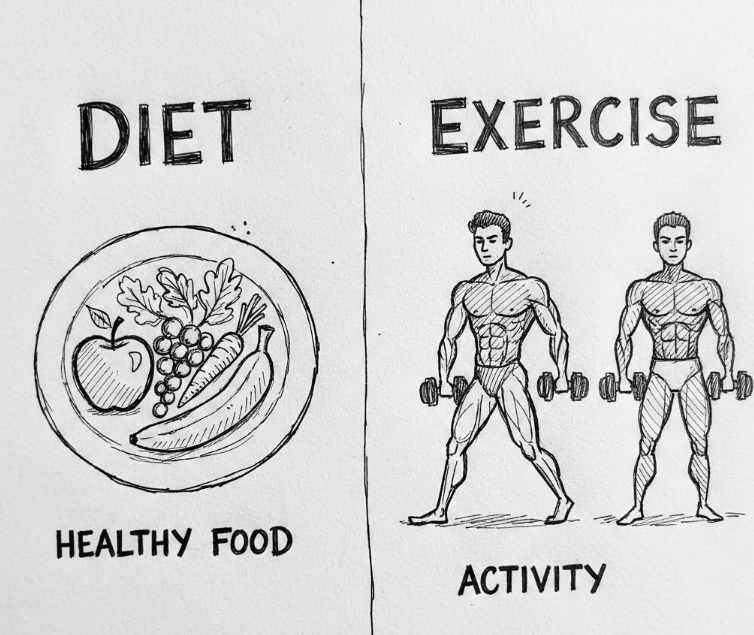
Diet vs Exercise: Who Is Best for Health & Fitness? Fitness ko lekar sabse common debate yahi hoti hai —“Diet zyada important hai ya Exercise?” Koi kehta hai: “Gym jao, pasina bahaao.”Koi kehta hai: “Khaana control karo, body khud badal jaayegi.” Sach yeh hai ki dono apni jagah important hain, lekin same level par nahi. 2026 me jab lifestyle aur health problems dono badh rahi hain, tab yeh samajhna aur bhi zaroori ho gaya hai ki real life me kaunsa zyada kaam karta hai. What Is Diet? Diet ka matlab sirf kam khaana nahi hota. Diet ka matlab hai: Kya kha rahe ho Kitna kha rahe ho Kab kha rahe ho Aur regularly kya kha rahe ho Diet body ko fuel deti hai. Aap jo khaate ho, wahi body banti hai. Diet control ka asar directly: Weight par Energy level par Digestion par Hormones par Skin aur sleep par padta hai. What Is Exercise? Exercise ka matlab hai body ko move karna: Walking Running Weight training Yoga Sports Stretching Exercise ka role hota hai: Strength badhaana Heart health improve karna Muscles aur joints ko strong rakhna Stress kam karna Exercise body ko shape deti hai. Weight Loss: Who Is Best? Yeh sabse bada confusion hota hai. Diet Agar aap diet control nahi kar rahe: Gym jaakar bhi fat loss mushkil hai Extra calories easily fat ban jaati hain Ek heavy workout se jitni calories burn hoti hain, utni calories ek junk meal se wapas aa jaati hain. Exercise Exercise calories burn karta hai, lekin: Limited time ke liye Daily repeat karna mushkil hota hai 🏆 Winner for Weight Loss: DIET Weight loss ka 70–80% game diet hota hai. Body Strength & Fitness: Who Is Best? Diet Diet muscles ko nutrients deti hai: Protein Vitamins Minerals Lekin diet khud se muscles strong nahi banati. Exercise Exercise: Muscles ko strong karta hai Bones ko majboot karta hai Heart aur lungs ko train karta hai 🏆 Winner for Strength & Fitness: EXERCISE Strong body exercise se hi banti hai. Health Problems & Lifestyle Diseases: Who Is Best? Aaj ke time me problems jaise: Diabetes BP Obesity Fatty liver Digestion issues zyada tar diet se judi hoti hain. Diet Sugar control Oil control Portion control Balanced meals yeh sab health ko directly affect karta hai. Exercise Exercise support karta hai, lekin agar diet galat ho to result slow hota hai. 🏆 Winner for Health: DIET Health problems pehle plate se start hoti hain. Mental Health & Stress: Who Is Best? Diet Poor diet se: Low energy Mood swings Brain fog hota hai. Exercise Exercise: Stress hormones kam karta hai Mood improve karta hai Anxiety kam karta hai 🏆 Winner for Mental Health: EXERCISE Movement mind ke liye medicine jaisa kaam karta hai. Consistency: Who Is Best? Diet Diet ko daily follow karna mushkil lagta hai, lekin: Small changes sustainable hote hain Exercise Exercise start karna easy lagta hai, lekin: Log beech me chhod dete hain 🏆 Winner for Long-Term Consistency: DIET Roz khaana to hai hi — bas thoda smart khaana seekhna hota hai. So… Who Is Best Overall? Ab seedha aur sach answer. 🏆 BEST FOR WEIGHT LOSS & HEALTH: DIET 🏆 BEST FOR STRENGTH & FITNESS: EXERCISE Lekin agar ek hi choose karna pade: 🥇 Diet wins the foundation game.🥈 Exercise builds on that foundation.
Health Desk
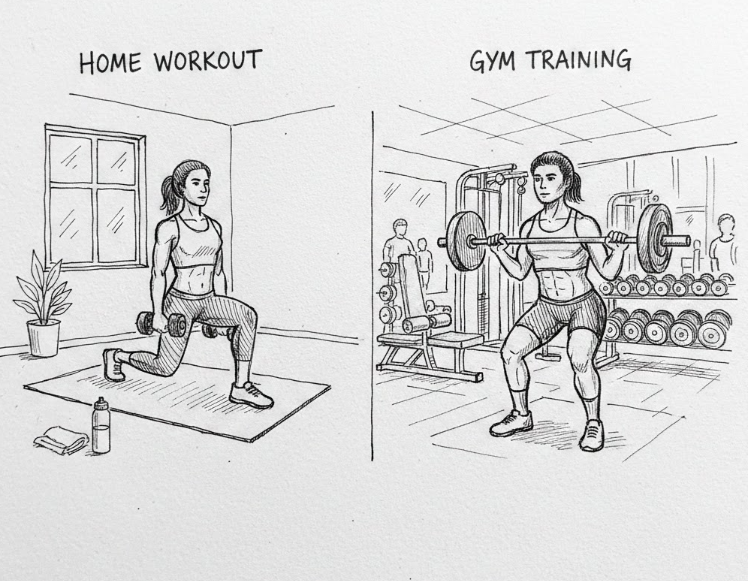
Fitness ka matlab sirf muscles ya weight loss nahi hota. Fitness ka matlab hota hai healthy body, strong mind, aur sustainable routine. 2026 tak fitness ka concept kaafi badal chuka hai. Log sirf gym membership lene tak limited nahi rahe — ghar par workouts, online coaching, wearable tracking, aur personalized plans ka use fast grow kar raha hai. Is change ke beech ek common confusion hai: Home Workouts ya Gym Training — kaunsa best hai?Aur sabse important sawal: 2026 me real life ke liye kaunsa better hai? Iska answer simple “gym best” ya “home best” nahi hai. Real answer lifestyle, consistency aur goals pe depend karta hai. What Are Home Workouts? Home workouts wo exercises hoti hain jo aap ghar par karte ho — bina heavy machines ke ya minimal equipment ke saath. Examples: Bodyweight exercises (push-ups, squats, planks) Resistance bands Dumbbells Yoga & mobility training Online guided workouts App-based fitness plans 2026 me home workouts sirf YouTube videos tak limited nahi hain. Wearables, smart mirrors, AI-based trainers aur progress tracking ne home fitness ko kaafi advanced bana diya hai. What Is Gym Training? Gym training ka matlab hai: Professional equipment Heavy weights Structured environment Trainers & spotters Dedicated fitness space Gyms ab sirf weightlifting jagah nahi rahe. Modern gyms me: Strength training Functional training Cardio zones Recovery areas Group classessab hota hai. Consistency: Who Is Best? Fitness ka sabse bada rule hai:Consistency beats intensity. Home Workouts Time save hota hai Travel ka jhanjhat nahi Daily routine me easily fit ho jata hai Isliye zyada log regular reh paate hain. Gym Training Motivation environment se milta hai Lekin travel + timing issues consistency tod dete hain 🏆 Winner: Home Workouts Agar aap roz nahi ja pa rahe, to best gym bhi useless ho jata hai. Muscle Building & Strength: Who Is Best? Gym Training Heavy progressive overload possible Machines isolate muscles better Long-term muscle growth easier Home Workouts Beginner & intermediate level tak effective Lekin heavy strength training limited hoti hai 🏆 Winner: Gym Training Agar goal serious muscle building hai, gym clearly better hai. Fat Loss & General Fitness: Who Is Best? Fat loss ka main formula hai: Calories burn Consistent movement Sustainable routine Home Workouts HIIT, yoga, circuits, walking Easy to maintain daily Stress kam Gym Training Effective but beginners ke liye intimidating 🏆 Winner: Home Workouts Fat loss ke liye gym compulsory nahi hai. Cost & Accessibility: Who Is Best? Home Workouts Low cost No monthly fees Equipment optional Gym Training Membership cost Travel expense Time investment 🏆 Winner: Home Workouts 2026 me log smart aur affordable fitness prefer kar rahe hain. Motivation & Discipline: Who Is Best? Gym Training Surroundings push karte hain Trainers guide karte hain Home Workouts Discipline khud banana padta hai No external pressure 🏆 Winner: Gym Training (for motivation) 🏆 Winner: Home Workouts (for discipline building) Injury Risk & Safety: Who Is Best? Gym Training Heavy weights = higher injury risk if form galat ho Home Workouts Bodyweight focus Safer for joints & beginners 🏆 Winner: Home Workouts Especially beginners aur busy professionals ke liye. So… Who Is Best for Fitness in 2026? Ab clear answer. 🏆 BEST FOR MOST PEOPLE IN 2026: Home Workouts Because: Time-efficient Affordable Sustainable Technology-supported Lifestyle-friendly 🏆 BEST FOR SPECIFIC GOALS: Gym Training If your goal is: Heavy muscle building Professional bodybuilding Advanced strength training Then gym is still king.
Health Desk
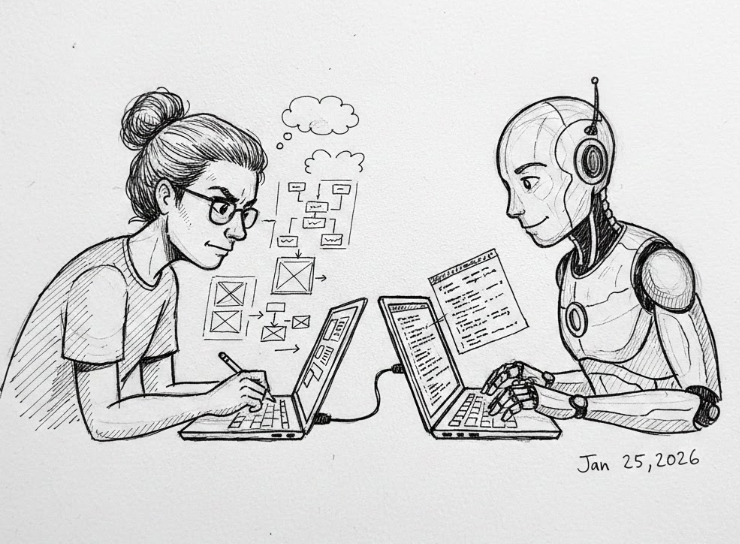
Human Developers vs AI Developers: Who Is Best for Building Apps in 2026? By 2026, building an app no longer means writing every line of code manually. Artificial intelligence has entered the software development world in a serious way. AI can now generate code, fix bugs, suggest architectures, and even deploy applications. This has led to a big and often emotional debate: Are human developers still the best choice, or are AI developers taking over app building? To answer this honestly, we must step away from fear and hype and look at how apps are actually built in the real world. Who Are Human Developers? Human developers are programmers who design, build, test, and maintain applications using their experience, logic, creativity, and understanding of real-world problems. What human developers bring: Problem-solving skills Understanding of user behavior Product thinking Ethics and responsibility Long-term architectural vision Humans don’t just write code — they understand why the app exists. Who Are AI Developers? AI developers are not people. They are AI systems that assist or automate parts of software development. They can: Generate boilerplate code Autocomplete functions Fix common bugs Write tests Refactor code Explain unfamiliar code AI does not understand purpose — it understands patterns. Speed: Who Is Best? AI Developers AI can generate code extremely fast. Tasks that might take hours for a human can be done in minutes. Human Developers Humans are slower at typing code but faster at making correct decisions. ✅ Winner: AI (for speed) But speed alone does not guarantee quality. Quality & Reliability: Who Is Best? AI Developers Can generate syntactically correct code Often lack context May produce insecure or inefficient solutions Human Developers Think about edge cases Consider security, performance, and maintainability Understand business logic ✅ Winner: Human Developers Apps need to work in unpredictable real-world conditions. Humans handle this better. Creativity & Product Thinking: Who Is Best? AI Developers AI can remix existing ideas but cannot create true originality or understand human emotions deeply. Human Developers Humans understand: User frustration Cultural context Emotional design Real customer needs ✅ Winner: Human Developers Great apps are built around people — not patterns. Cost & Efficiency: Who Is Best? AI Developers Reduce development time Lower cost for simple apps Helpful for startups and MVPs Human Developers Higher cost More sustainable long-term results ✅ Winner: AI (short term) ✅ Winner: Humans (long term) Maintenance & Scaling: Who Is Best? AI Developers AI can help maintain code but cannot fully own systems or take responsibility. Human Developers Humans: Handle long-term scaling Manage technical debt Make architectural trade-offs ✅ Winner: Human Developers Security & Ethics: Who Is Best? AI Developers AI does not understand consequences. It may generate insecure code if not guided. Human Developers Humans think about: Data privacy Compliance User safety Ethical impact ✅ Winner: Human Developers So… Who Is Best for Building Apps in 2026? Now the clear answer. 🏆 BEST OVERALL: Human Developers But not alone. The Real Future: Humans + AI The smartest teams in 2026 are not choosing between humans and AI — they are combining both. AI handles speed and repetition Humans handle thinking and responsibility AI becomes a tool Humans remain the decision-makers Final Verdict (Simple & Honest) For fast code generation → AI wins For real apps used by real people → Humans win For best results → Humans using AI win AI writes code.Humans build products. In 2026, the best app developers are not those replaced by AI — they are those who know how to use it wisely.
Tech Desk
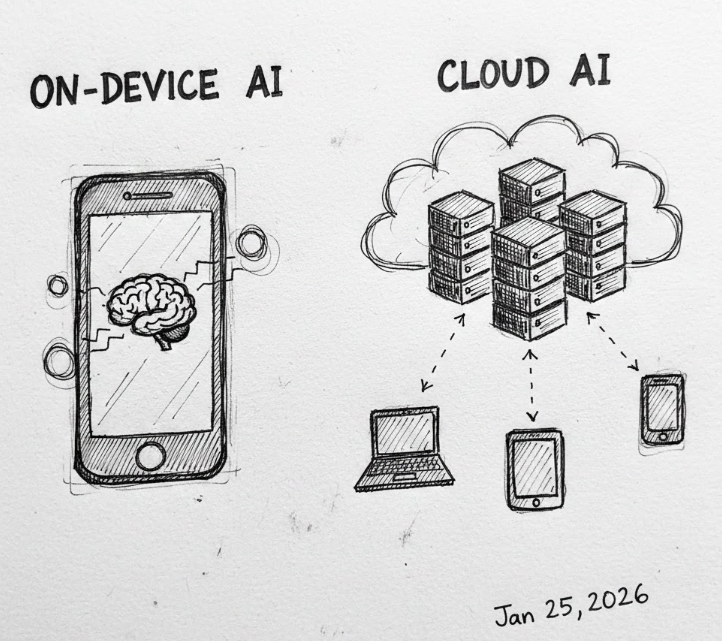
On-Device AI vs Cloud AI: Which Will Power Everyday Apps in 2026? Artificial Intelligence is no longer something hidden inside research labs or big tech companies. By 2026, AI will quietly power almost every app people use daily — from messaging and shopping apps to health trackers, cameras, navigation, and productivity tools. But behind this everyday magic, there is a major technical choice shaping the future of apps: Should AI run directly on your device, or should it live in the cloud? This brings us to one of the most important technology debates of this decade:On-Device AI vs Cloud AI. Both approaches have strengths, weaknesses, and very different impacts on performance, privacy, cost, and user experience. Understanding this difference explains why future apps will feel faster, smarter, and more personal than ever before. What Is On-Device AI? On-Device AI means artificial intelligence runs directly on the user’s device — such as a smartphone, smartwatch, laptop, or even a car system. The AI model processes data locally without sending it to remote servers. Examples you already see today: Face unlock on phones Camera scene detection Voice typing and offline translation Spam call detection Health monitoring on wearables In On-Device AI, your data mostly stays with you. What Is Cloud AI? Cloud AI runs on powerful remote servers. The device sends data to the cloud, where large AI models process it and return results. Examples include: Chatbots and virtual assistants Recommendation systems Large language models Image and video generation Data analytics platforms Cloud AI benefits from massive computing power and continuous updates. The Core Difference The real difference is not intelligence — it’s where thinking happens. On-Device AI thinks locally Cloud AI thinks remotely This single difference changes everything about speed, privacy, cost, and reliability. Speed and Responsiveness On-Device AI On-device processing is instant. There is no network delay because data never leaves the device. This is critical for real-time actions like: Camera focus Gesture recognition Voice commands Health alerts For everyday apps, this means faster responses and smoother experiences. Cloud AI Cloud AI depends on internet speed. Even a small delay can affect real-time use. However, for tasks that are not time-critical, cloud AI works well. In 2026, users will expect apps to respond instantly — giving On-Device AI a major advantage. Privacy and Trust Privacy is becoming one of the biggest concerns in digital life. On-Device AI Data stays on the device Less exposure to breaches More user trust Better compliance with privacy laws Health data, personal photos, voice recordings — users are more comfortable when this never leaves their phone. Cloud AI Data travels to servers Requires strong encryption Higher regulatory responsibility Many users are becoming cautious about sending sensitive data to the cloud. By 2026, privacy-focused apps will heavily rely on On-Device AI. Power and Capability Cloud AI Cloud AI still wins when it comes to raw intelligence: Large language understanding Deep reasoning Creative generation Massive data analysis Big models require huge processing power that small devices can’t handle yet. On-Device AI On-device models are smaller and optimized. They may not be as powerful, but they are: Efficient Specialized Reliable For everyday tasks, you don’t need the biggest brain — you need the fastest and most relevant one. Cost and Scalability For Companies Cloud AI is expensive: Server costs Bandwidth costs Scaling costs On-device AI shifts computation to user devices, reducing backend load and long-term expenses. For Users On-device AI: Works offline Uses less data Saves battery in optimized chips This matters a lot in regions with limited connectivity. Reliability and Offline Use One major advantage of On-Device AI is offline functionality. No internet? Still works Poor network? No issue Travel or remote areas? App remains usable Cloud AI stops working when the connection fails. In 2026, apps that depend entirely on cloud AI will feel unreliable in real life situations. The Future Is Not One or the Other The truth is simple:The future belongs to hybrid AI. In 2026, most successful apps will use: On-Device AI for speed, privacy, and daily actions Cloud AI for heavy thinking, learning, and updates For example: Voice recognition happens on-device Complex understanding happens in the cloud Camera processing is local Content recommendations are cloud-based This balance delivers the best experience. Which Will Power Everyday Apps in 2026? For everyday apps — messaging, camera, health, notes, payments, navigation — On-Device AI will be the foundation. Cloud AI will remain important, but mostly in the background. Everyday users care about: Speed Privacy Battery life Reliability And On-Device AI serves all four. What This Means for Developers and Businesses Developers will focus more on: AI optimization Efficient models Hardware-aware design Chipmakers will continue building AI-specific processors.Apps will feel more personal and less dependent on servers. Those who design apps with local intelligence first will win user trust. Final Verdict In 2026: On-Device AI will power everyday experiences Cloud AI will support intelligence at scale The future is not about choosing one — it’s about using both wisely. But when it comes to daily apps you open every hour, AI that lives on your device will lead the way.
Tech Desk
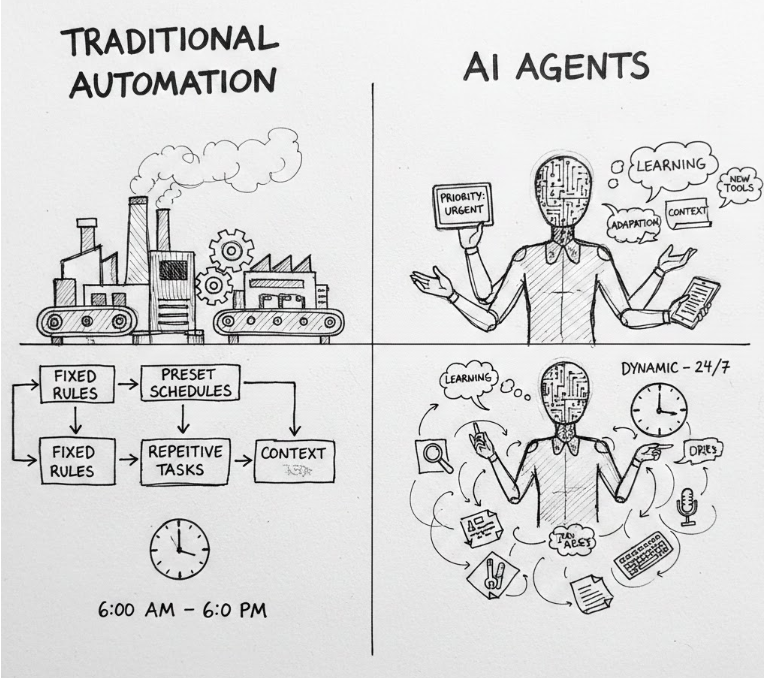
AI Agents vs Traditional Automation: Which Will Dominate Work in 2026? Work has always evolved with technology. From manual labor to machines, from spreadsheets to software, every generation has seen tools that changed how people work. But 2026 stands at a different kind of turning point. This time, the shift is not just about faster tools — it’s about systems that can think, decide, and act. At the center of this shift is a growing comparison: AI Agents vs Traditional Automation. Both aim to make work easier and more efficient, but they are fundamentally different in how they operate and what they can achieve. So the real question is not whether automation will exist in 2026 — it’s which kind of automation will dominate work. Understanding Traditional Automation Traditional automation is something most workplaces already use. It is rule-based, predictable, and controlled. These systems follow fixed instructions written by humans. Examples of traditional automation include: Scheduled email responses Payroll processing systems Data entry scripts Workflow tools with fixed triggers Manufacturing robots performing repetitive tasks The logic is simple:If X happens → do Y Traditional automation is reliable, fast, and safe when tasks are repetitive and well-defined. It reduces human error and saves time, especially in structured environments. But it has limits. Limitations of Traditional Automation Traditional automation struggles when: Conditions change unexpectedly Decisions require judgment Data is incomplete or unclear Tasks involve multiple steps across systems Human-like understanding is needed If a new situation appears that wasn’t programmed, traditional automation stops. It doesn’t adapt. It doesn’t learn. It waits for humans to update the rules. This is where AI agents enter the picture. What Are AI Agents? AI agents are systems designed to work toward goals rather than follow fixed rules. Instead of being told exact steps, they are given an objective. For example: “Prepare a weekly report and highlight risks” “Handle customer support tickets and resolve simple issues” “Optimize this workflow to save time” “Plan tasks based on priority and deadlines” An AI agent can: Break goals into steps Decide what action to take next Use multiple tools or systems Adjust based on results Learn from past outcomes This makes AI agents far more flexible than traditional automation. Key Difference: Rules vs Reasoning The biggest difference between the two is how decisions are made. Traditional Automation Follows fixed rules Needs manual updates Works best in stable environments Cannot handle ambiguity AI Agents Reason based on context Adapt to new situations Handle complex workflows Improve over time In short:Traditional automation executes work.AI agents manage work. Impact on Everyday Work in 2026 By 2026, workplaces are expected to look very different. In Offices Traditional automation may still handle: Attendance tracking Salary calculations Routine approvals AI agents will handle: Task prioritization Drafting reports Summarizing meetings Managing calendars Coordinating between teams In Software Development Traditional automation: CI/CD pipelines Build scripts Scheduled tests AI agents: Code suggestions Bug detection Test generation Refactoring advice Documentation writing In Customer Support Traditional automation: Chatbot FAQs Ticket routing AI agents: Understanding customer intent Resolving simple cases Escalating complex issues Learning from past conversations Speed vs Intelligence Traditional automation is extremely fast — but only within its limits. It cannot think outside predefined paths. AI agents may sometimes be slower, but they choose better actions. Over time, this leads to higher productivity because fewer human corrections are needed. Speed alone doesn’t dominate the future.Smart speed does. Cost and Risk Considerations Traditional automation: Lower initial risk Easier to audit Predictable behavior AI agents: Higher complexity Need monitoring Require ethical and security boundaries In 2026, many organizations will not fully replace traditional automation. Instead, they will combine both. Critical systems will still rely on traditional automation, while adaptive tasks move to AI agents. Which Will Dominate Work in 2026? The answer is not “one replaces the other”. But dominance is about where most value is created. Traditional automation will dominate: Repetitive tasks Compliance-heavy workflows Fixed business processes AI agents will dominate: Knowledge work Decision-heavy tasks Multi-system coordination Creative and analytical workflows As work becomes more complex and dynamic, AI agents will shape how work is organized, even if traditional automation still runs in the background. What This Means for Workers For people, this shift is not about losing jobs — it’s about changing roles. Humans will: Define goals Review outcomes Handle judgment and ethics Make final decisions AI agents will: Handle execution Manage information overload Reduce repetitive thinking The most valuable workers in 2026 will be those who know how to work with AI agents, not fight them. Final Verdict Traditional automation built the foundation of modern work.AI agents are building the next layer. In 2026: Traditional automation keeps systems stable AI agents make systems intelligent The future of work belongs to those who understand both — and know when to use each.
Tech Desk

Pain is something everyone experiences, but no one truly understands in the same way. Some pain is visible, some pain is silent. Some pain comes suddenly, and some stays for years without explanation. When pain enters life, the first reaction is confusion. We ask, “Why me?” We wonder what we did wrong. We feel punished, forgotten, or abandoned. But pain is not random. And pain is never meaningless. One of the hardest truths to accept is that God never wastes your pain. Even when you don’t see a reason, even when answers don’t come, even when prayers feel unheard — your pain is still doing something inside you. Pain Changes You in Ways Comfort Never Can Comfort keeps life smooth, but it does not build depth. Pain, on the other hand, reshapes the soul. It slows you down. It makes you think. It forces you to look inward. Pain strips away illusions and shows you what really matters. Many people become wiser, kinder, and stronger not because life was easy, but because life was hard. God allows pain not to destroy you, but to transform you. What Pain Teaches That Success Never Will Success feels good, but it rarely teaches humility. Pain teaches lessons that stay for life: Empathy for others who are struggling Gratitude for small blessings Strength you never knew you had Faith that goes deeper than words Pain removes arrogance and replaces it with understanding. It removes pride and replaces it with patience. Without pain, the heart stays shallow. With pain, the heart grows depth. God Uses Pain to Redirect You Sometimes pain enters life because you are walking in the wrong direction. Not wrong in the eyes of the world, but wrong for your soul. You may be chasing something that looks good but slowly drains you. Pain becomes a signal: To slow down To rethink choices To let go of what is harming you To return to what truly matters God often uses pain to stop you from settling for a life that is smaller than what He has planned. Pain Builds the Strength You Will Need Later Many people don’t realize this, but future responsibilities require present strength. The weight you will carry tomorrow needs muscles built today. Pain is training. The strength to: Handle responsibility Manage success Protect peace Lead others Stay grounded If God gives you everything without preparation, it can break you. Pain prepares the heart so blessings don’t destroy it. Your Pain Has a Purpose Beyond You Some pain is not just for you. It shapes you so you can understand others. People who have suffered deeply often become the best listeners, the most patient guides, and the strongest supporters. Your pain may one day: Save someone else Give hope to someone who feels lost Become wisdom that helps another soul Turn into words that heal others God turns wounds into tools. Pain Does Not Mean God Has Left You This is where many people lose faith. They think pain means God is absent. But often, pain means God is closer than ever — working quietly, deeply, invisibly. Silence does not mean absence.Delay does not mean denial.Pain does not mean abandonment. God is often doing His deepest work when you feel Him the least. Healing Takes Time, and That’s Okay Pain does not disappear overnight. Healing is not fast, and it is not linear. Some days you feel strong, some days the wound feels fresh again. That does not mean you are weak — it means you are human. God does not rush healing. He allows it to unfold slowly so it heals completely, not superficially. A rushed healing leaves scars that reopen.A patient healing creates strength. One Day, It Will Make Sense There will come a time — maybe years later — when you look back and understand: Why that relationship ended Why that door closed Why that loss happened Why the waiting was necessary Understanding often comes after growth. And when it does, you will realize something powerful:God was protecting you, shaping you, and preparing you — all at once. Final Thoughts If you are in pain right now, don’t rush to escape it. Sit with it. Learn from it. Trust God in it. Pain is not the end of your story — it is a chapter. God never wastes tears.God never ignores suffering.God never allows pain without purpose. Hold on.Healing is coming.Meaning is forming.Strength is growing. God never wastes your pain.
Mahakal Ki Diwani

There are phases in life when nothing seems to move forward. You pray, you work hard, you stay honest, yet results refuse to show up. Days turn into months, and months into years, and slowly a question starts growing inside your heart: “Why is God doing this to me?” But what if God is not punishing you at all?What if He is teaching you something far more valuable — patience? Most people misunderstand delays. We see them as rejection, failure, or proof that God has forgotten us. But delays are often classrooms. Silence is often guidance. And waiting is often preparation. Patience Is Not Easy, That’s Why It Is Powerful Patience is one of the hardest lessons God teaches, because it goes against human nature. We want answers now. We want success quickly. We want healing instantly. We want life to follow our timeline. But God works on a different clock. Patience is not about doing nothing.It is about continuing to do the right thing without immediate reward. That is where faith is tested. Why God Allows Waiting God allows waiting because waiting reveals truth: It shows who trusts Him only for blessings And who trusts Him even without answers If everything came easily, patience would have no value. If prayers were answered instantly, faith would not grow. If life was smooth all the time, strength would never develop. Waiting builds depth. Delay Is Not Denial One of the biggest misunderstandings people have is believing that delay means God said “no”. Many times, God is actually saying: “Not yet” “You’re not ready” “Something better is coming” “This needs more time” What God is preparing for you may require: More strength More maturity More wisdom More humility So He slows the process — not to hurt you, but to protect you. God Sees What You Cannot You see your pain today.God sees the outcome tomorrow. You see loneliness.God sees growth. You see frustration.God sees character being built. Sometimes God delays because if He gives you what you want too early, it might break you instead of blessing you. Patience Shapes Your Character Blessings can change your situation.But patience changes you. Through waiting, you learn: How to stay calm under pressure How to trust without proof How to keep faith without results How to rely on God, not outcomes And these qualities stay with you for life. When You Feel Forgotten, You Are Being Prepared Many people feel abandoned during waiting seasons. But preparation often feels like abandonment. Before a seed grows into a tree, it stays buried in darkness. No sunlight. No recognition. No movement. But something is happening beneath the surface. Your silent season is not empty.It is active in ways you cannot see. Stop Fighting the Lesson The more you fight the waiting, the heavier it feels. The moment you accept that God is teaching you patience, something changes inside you. The heart becomes lighter. The mind becomes calmer. Acceptance does not mean giving up.It means trusting the process. Patience Always Comes With a Purpose God never wastes time.He never delays without reason.He never teaches lessons that have no value. One day, you will look back and realize: The waiting saved you The delay protected you The patience shaped you And you will thank God not just for the blessing — but for the wait. Final Thought If life feels slow, if prayers feel unanswered, if progress feels invisible — remember this: God is not punishing you.He is preparing you. Patience today becomes peace tomorrow. Trust the wait.Trust His timing.Trust God.
Mahakal Ki Diwani

What God Removes Is Often What You Needed Gone There are moments in life when loss hurts so deeply that it feels unfair. A relationship ends, a job slips away, a plan collapses, or someone you trusted walks out of your life. In those moments, the first thought that comes to mind is often anger, confusion, or sadness. We ask, “Why did this happen to me?” We question God. We question fate. We question ourselves. But with time, something strange happens. The pain slowly softens, the chaos settles, and clarity begins to appear. And then one quiet day, you realize something powerful: What God removed was not a punishment.It was protection. We Hold On Because We Are Afraid Humans hold on tightly — to people, habits, situations, and dreams — even when they hurt us. We stay because it feels familiar. We tolerate pain because we fear the unknown. We accept less than we deserve because at least it’s something. God sees what we cannot: What is slowly damaging our peace What is limiting our growth What is draining our energy What is blocking something better Sometimes God removes things not because we are weak, but because we are ready for more — even if we don’t realize it yet. Loss Feels Like Punishment, But Often It Is Mercy When something is taken away, the mind immediately labels it as loss. But not every loss is negative. Some losses are actually deliverance. Losing people who constantly disrespect you Losing work that destroys your mental health Losing relationships built on lies Losing comfort that keeps you stuck At the moment, it hurts. Deeply.But later, you understand — staying would have hurt more. God does not remove things randomly. What leaves your life often cannot go where God is taking you. God Removes What You Won’t Let Go Of Sometimes God waits. He gives signs. He creates discomfort. He sends warnings. But when we refuse to listen, He steps in. You may not walk away from something toxic because: You hope it will change You remember the good days You fear being alone You doubt you deserve better So God removes it for you. Not to break you — but to save you. Painful Removal Makes Space for Healing Imagine trying to heal a wound while the knife is still inside. It’s impossible. God removes what keeps reopening your wounds: Situations that keep triggering anxiety People who reopen emotional scars Habits that keep pulling you backward Healing cannot begin until the source of pain is gone. And sometimes, only God has the strength to remove it when you don’t. You Don’t See the Full Picture — God Does We see today. God sees tomorrow. You see the loss of income.God sees protection from burnout. You see a broken relationship.God sees freedom from emotional damage. You see loneliness.God sees preparation. You see delay.God sees alignment. Many times, what God removes is the very thing that would have destroyed you later. Growth Requires Separation Every new level in life requires separation from something old: Old versions of yourself Old patterns Old environments Old attachments You cannot grow while holding on to everything. Growth demands space. And God creates that space — sometimes gently, sometimes forcefully. What leaves your life creates room for: Peace Clarity Strength Better people Better opportunities Trust Comes Before Understanding Faith is not about understanding everything. Faith is about trusting even when things don’t make sense. You may never fully understand why something had to go. But you can trust that God does not remove things to empty your life — He removes them to realign it. Understanding often comes later.Peace comes when you stop fighting the process. What God Removes Is Often What You Outgrow Some things fit you once — but not forever.Some people walk with you for a season — not a lifetime. Outgrowing something doesn’t mean it was bad. It just means it no longer belongs in the next chapter of your life. God removes what no longer matches who you are becoming. Acceptance Brings Peace The moment you stop asking “Why me?” and start saying “I trust You”, something changes inside you. The weight lifts. The heart softens. The mind becomes calmer. Acceptance does not mean the pain disappears instantly.It means you stop fighting what is already gone. And that is where peace begins. Final Thoughts If something has left your life and you are struggling to understand why, remember this: God is not cruel.God is not careless.God is not blind to your pain. What He removes is often what you needed gone — even if it didn’t feel that way at the time. Trust the removal.Trust the silence.Trust the process. Because what God is preparing for you often requires you to walk lighter — without carrying what was never meant to stay.
Mahakal Ki Diwani

For a long time, healthcare mainly worked in a reactive way. Most people visited a doctor only when something went wrong — fever, injuries, chronic pain, or medical emergencies. But now, the world is slowly shifting into a new era called preventive health, and by 2026, this approach will be common, accessible, and life-changing for ordinary families. Preventive health means focusing on catching problems early, sometimes even before symptoms begin. Instead of waiting for diseases to develop, technology and routine checks help detect risk signals early so treatment becomes easier, cheaper, and more effective. This shift is happening because of three major changes:everyday monitoring, personal information-based care, and easier access to doctors. 1. Everyday Health Monitoring at Home The first major change is that monitoring health will not be limited to hospitals. Instead, many people will check their own vitals at home without special training. This is made possible through simple health devices that track: Heart rate Blood pressure Sleep quality Blood oxygen Stress levels Blood sugar (for some devices) Activity and step count These devices are becoming smaller, smarter, and more accurate every year. In 2026, many homes will have basic health tools just like they have weighing scales today. But monitoring health is not just about numbers — the real benefit comes from early signals. For example: A change in sleep patterns could indicate stress or hormonal imbalance Higher resting heart rate could indicate fatigue, anxiety, or infection Blood oxygen dips might signal respiratory issues Irregular heart rhythm could warn about future heart problems The goal is not to scare people, but to notice trends before they become larger problems. This helps improve lifestyle choices and encourages timely check-ups. 2. Personalized Health Instead of Generic Advice In the past, doctors often recommended the same diets, same medicines, and same routines for many patients. But human bodies are different. Two people can eat the same food and have completely different reactions. Similarly, one person may develop diabetes at 40 while another does not, even with similar lifestyles. By 2026, preventive health will use personal data to create custom health guidance. This doesn’t mean fancy or expensive treatments — it mainly means understanding your own body better. Some examples: If someone’s heart rate spikes after certain foods, they may reduce those meals. If someone’s sleep data shows they are not resting well, the routine can be adjusted. If someone’s blood sugar reacts strongly to rice but not to wheat, the diet can change accordingly. The idea is simple: listen to your own body, not just general advice. Personal data gives a clearer picture and prevents long-term issues. 3. Early Detection Lowers Costs and Saves Lives One of the biggest benefits of preventive health is that treatment becomes cheaper and more effective. Many major diseases — like heart disease, diabetes, kidney disease, and cancer — develop slowly over years. If detected early, they are easier to manage and often reversible. For example: Diabetes can be controlled early with diet and exercise Heart disease risk can be reduced through lifestyle adjustments Kidney issues can be slowed down with medication Some cancers, if detected early, have extremely high survival rates Instead of spending huge money on late-stage treatment, families can invest in timely tests, simple changes in routine, and healthier daily habits. 4. Remote Consultation Becomes Normal Another important part of preventive health in 2026 is remote access to doctors. Video calls, voice calls, health apps, and messaging-based consultation will make it easier for people to seek medical guidance without traveling. This helps people who: Live far from hospitals Have busy schedules Have mobility challenges Want quick clarification about small symptoms Remote consultations do not replace hospitals, but they make basic care easier and more convenient, leading to faster decisions and quicker support. 5. Mind and Body are Treated Together Preventive health also recognizes that mental health affects physical health. Stress and anxiety can affect digestion, blood pressure, sleep, and even heart health. By 2026, health platforms will not focus only on physical symptoms but also include: Stress assessments Sleep pattern monitoring Breathing exercises Counseling options Mental well-being guidance This is because a healthy mind helps maintain a healthy body. 6. Health Trends Will Shape Daily Habits As awareness grows, preventive health will become part of daily life. People will focus more on: Hydration Nutrition Proper sleep Daily movement Breathing exercises Limiting smoking or alcohol Reducing processed foods These small changes prevent bigger problems. Conclusion Preventive health is not about panic, expensive equipment, or fear of diseases. It is about understanding your body, making small corrections, and acting early. By 2026, many families will adopt this approach not because it is trendy, but because it simply makes life easier and healthier. A future where people stay healthier, avoid complications, reduce medical expenses, and enjoy better well-being is not far — it’s already starting. Preventive health will make the healthcare world more human, more fair, and more accessible for everyone.
Health Desk

Healthcare is changing fast, and 2026 looks different from the past. Instead of only visiting hospitals when something goes wrong, people will be able to monitor their health from home using smart devices and connected tools. Wearables will track heart, sleep, stress, sugar levels, and activity in real-time, and doctors will guide patients remotely when needed. Personalized care will also rise, meaning treatments will be based on a person’s own data and daily habits, not a one-size-fits-all approach. Apps and digital platforms will help people manage medication, check reports, book appointments, and get reminders without waiting in queues. The biggest change will be prevention over reaction. By catching early signs through continuous monitoring, people will be able to protect their health instead of only treating sickness. This shift will improve daily life, reduce hospital pressure, and make healthcare more accessible for everyone. In short, the future of health is smart, connected, simple, and focused on well-being — not just disease.
Health Desk
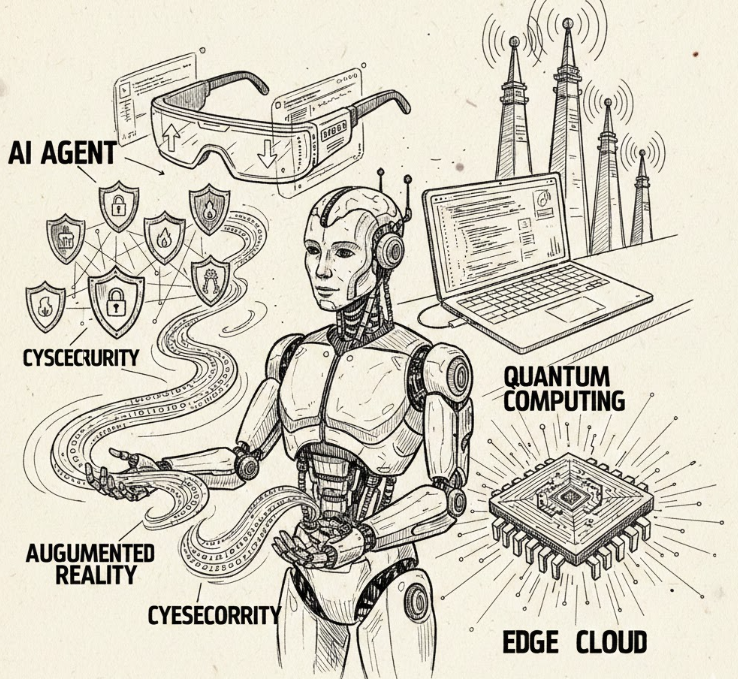
AI, Agentic Systems & Next-Gen Tech: What’s Trending in 2026 In 2026, technology search trends across Google and global tech platforms point to a landscape where artificial intelligence (AI) is not just an add-on — it’s the foundation of digital systems, tools, and experiences. From autonomous AI agents and quantum computing to immersive extended reality and next-gen connectivity, tech in 2026 is about smarter, faster, and context-aware systems that shape work, entertainment, security, and human interaction in unprecedented ways. Let’s break down what people are searching most and why these trends matter. 🔹 1. AI Everywhere — Going Beyond Chatbots AI is no longer limited to simple automation or text responses. In 2026, AI is embedded deeply in software, workflows, hardware, and even decision-making systems. Instead of isolated tools, AI forms the backbone of enterprise systems and digital platforms. AI models now power personal assistants, business analytics, creative generation tools, predictive automation, and more. This shift reflects what experts call AI-native platforms — systems built from the ground up with AI as a core feature, not an add-on. 🔹 2. Agentic AI — Smart Autonomous Systems One of the biggest search interests in 2026 is agentic AI — AI that plans, decides, and acts autonomously based on goals rather than simple commands. These systems can execute multi-step workflows. They handle complex problems without repeated human prompts. They are increasingly used in software development, operations, and business workflows. This isn’t traditional automation anymore — it’s intelligent agency that thinks with purpose. 🔹 3. Quantum Computing — From Concept to Reality Quantum computing continues to be a hot search topic in 2026 because it promises to solve problems classical computers cannot — from drug discovery and optimization to cryptography and secure communications. Although quantum tech is still emerging, interest from developers, researchers, and enterprises signals that real-world use cases are getting closer each year. 🔹 4. Cybersecurity — The New Frontline With AI and connected systems exploding across industries, cybersecurity search interest is surging because: AI systems introduce new risk vectors. Zero-trust architecture is becoming standard. Quantum computing will soon influence encryption standards. Simply put — as technology becomes more capable, the need to make it secure becomes even more urgent. 🔹 5. Extended Reality (XR) & Smart Wearables Many people are searching for how AR/VR/XR (extended reality) will transform interaction with the physical world. This includes immersive communication, training simulations, and spatial computing experiences. For example, the launch of AI smart glasses in 2026 is a major event, showing how everyday interaction may soon shift beyond phones. This trend also ties into wearables and health tech, where devices monitor life signals and provide real-time insights — a subject growing in search interest as consumer health tech evolves. 🔹 6. Next-Generation Connectivity & Infrastructure Another key trend people search for in 2026 is how connectivity is evolving: AI-ready cloud, edge computing, hybrid cloud systems are becoming mainstream. Data infrastructure is expanding globally to support AI workloads. Faster network systems are enabling real-time collaboration and remote work. As businesses digitalize, the demand for powerful, resilient, and scalable infrastructure is rising. 🔹 7. Sustainable & Green Tech Awareness While AI dominates tech searches, sustainability tech is also gaining traction in 2026 — especially clean energy tech, efficient hardware, and smart systems that reduce ecological impact. People are increasingly curious about how tech can help solve climate challenges and create sustainable growth — a topic that ties into wider global sentiment. 🔹 8. Software & Developer Evolution Search interest in 2026 shows increased curiosity about how software development itself is transforming: Low-code/no-code platforms AI-assisted coding Cloud-native workflows Observability and automation built into dev pipelines This reflects a broader trend: software becomes more autonomous, intelligent, and efficient. ✔ Summary: The Most Searched Tech Trends in 2026 People around the world — from tech professionals to everyday users — are searching for and exploring: AI Everywhere: deep integration across tools and platforms Agentic AI: autonomous digital agents Quantum Computing progress Cybersecurity evolution Extended Reality & Wearables Cloud & Edge Infrastructure Sustainable Tech & Green Innovation Software and DevOps transformation These topics reflect what the world is actively searching, experimenting with, and investing in during 2026 — and why they matter for developers, businesses, and future thinkers today.
Tech Desk

AI Agents & Intelligent Automation: How 2026 Is Redefining Software Development and Workflows The year 2026 marks a turning point in how humans and machines collaborate. Software is no longer just a tool executed by human instruction — it’s becoming proactive, intelligent, and semi-autonomous. At the forefront of this transformation are AI agents and intelligent automation, reshaping both how we build software and how work gets done across industries. In this deep dive, we’ll explore what AI agents are, why they’re gaining massive traction in 2026, how they’re changing development and business workflows, and what this means for professionals everywhere. What Are AI Agents? AI agents are autonomous systems that can: Understand user goals Plan multi-step tasks independently Take actions on behalf of users Adapt and learn from context Unlike traditional software that needs explicit instructions for every task, AI agents can interpret goals and execute steps to achieve them. In 2026, this shift is more than hype — it’s becoming mainstream. Unlike older automation tools, modern AI agents combine:✔ Natural language understanding✔ Context awareness✔ Decision-making models✔ Integration with multiple applications This level of autonomy is transforming routine workflows into intelligent, adaptive processes. Why AI Agents Are Dominating Tech in 2026 1. Productivity Gains Across the Board AI agents reduce repetitive work in development, operations, support, and content creation. They can: Generate code snippets Autocomplete complex functions Test and debug code automatically Draft & optimize documentation In many teams, tiny AI-assisted development teams are now outperforming much larger traditional teams. This trend is widely discussed among venture capital and startup communities in 2026, as businesses capitalize on efficiency gains. 2. Intelligent Workflows Are Becoming the New Standard Rather than tools that simply execute commands, modern work platforms are embedding AI agents as active collaborators. Instead of “find this” or “do that,” you now see: “Plan my next sprint with objectives and constraints” “Generate test cases based on recent commits” “Summarize customer feedback and flag trends” This move from manual tasks toward goal-oriented automation means software no longer just follows orders — it figures out how to get things done. Enterprise leaders are especially excited because this promises faster execution with fewer errors. 3. Context-Aware Assistance Another reason AI agents are hot in 2026: they don’t just respond — they predict and propose. For example: In coding, agents suggest changes based on past project bugs. In meetings, assistants summarize key points and schedule follow-ups. In business workflows, automated reports and trend analyses generate without prompting. This context awareness reduces cognitive load — letting humans focus on higher-order thinking rather than repetitive tasks. Where AI Agents Are Being Used Today 🔹 Software Development Code generation & review Dependency checks & optimization Automated debugging Version history context insights 🔹 Enterprise Workflows Human resources automation Customer support ticket triage Sequence planning in operations Email & calendar intelligence 🔹 Personal Productivity Task planning Reminder scheduling Prioritizing work based on deadlines 🔹 Business Insights & Decision Making AI agents can analyze datasets, detect anomalies, and propose actionable strategies — no human referee needed to filter massive data streams. All of these examples show a shift from tool-based action to autonomous task orchestration, making workflows more seamless and less prone to human error. Benefits Over Traditional Automation Traditional automation focuses on predefined rules: If X happens → do Y AI agents add a new dimension: If goal is Z → figure out how to achieve it This means they can handle:✔ Unpredictable scenarios✔ Multi-step planning✔ Complex, context-rich data✔ Learning from interactions This makes AI agents powerful not just for repetitive tasks — but for strategic tasks too. Challenges & Considerations in 2026 AI agents also bring challenges that professionals and businesses must address: 1. Governance & Transparency With AI acting autonomously, executives want to know how decisions are made — not just that they work. This has prompted a rise in governance frameworks to audit AI decision trails. 2. Security Agents with access to sensitive data must be carefully isolated to prevent misuse or breaches. 3. Job Roles Redefined AI doesn’t replace humans — but it changes what humans do. The focus is shifting toward oversight, strategy, and creative problem solving. What This Means for Developers and Tech Professionals If you’re in tech in 2026, there are three keystones that will define your advantage: 1. Master AI Collaboration Learn how AI agents work, how to integrate them responsibly, and how to supervise their outputs. 2. Focus on Problem Structuring Instead of writing each step manually, focus on defining desired outcomes — and let intelligent systems fill in the actions. 3. Build Hybrid Skills A mix of: Domain knowledge AI oversight Human judgmentgives a competitive edge in an automated world. Future Outlook In 2026 and beyond, AI agents will continue scaling from: simple assistants to autonomous collaborators This evolution is reshaping:✔ Software development✔ Enterprise operations✔ Productivity tools✔ Decision-making cycles As this trend gains momentum, the focus will shift from manual tasks to strategic orchestration, fundamentally redefining the future of work and human-machine collaboration. Conclusion AI agents and intelligent automation aren’t just buzzwords — they are among the highest-searched, most impactful technology currents of 2026, driving real changes in how software is built, deployed, and utilized. Whether you’re a developer, business leader, or tech enthusiast, understanding this shift isn’t just useful — it’s essential for staying relevant in the modern tech landscape
Tech Desk
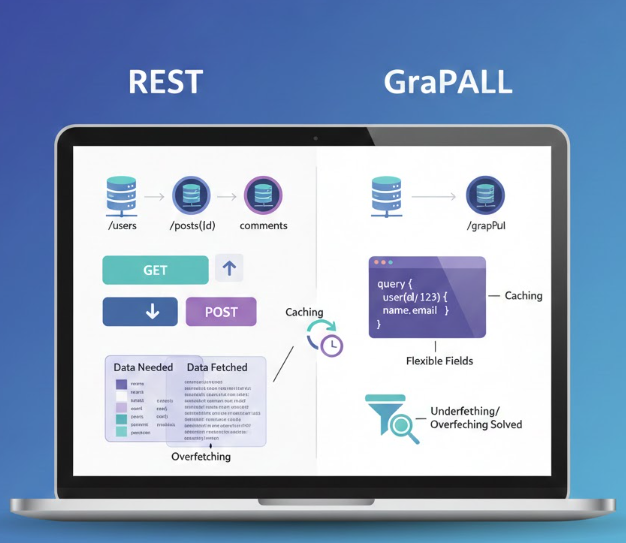
REST vs GraphQL: Which API Style Fits Modern Development? Modern applications run on APIs. Whether it’s a mobile app fetching user profiles, a frontend dashboard loading analytics, or a backend service talking to another service — everything moves through APIs. For more than a decade, REST has been the default style for building APIs. But in recent years, GraphQL has entered the scene and changed how clients ask for data. Both REST and GraphQL solve the same problem — data communication between client and server — but they do it in very different ways. And understanding those differences helps developers choose the right tool for the right job. What is REST? REST (Representational State Transfer) is a set of architectural principles designed around resources. Each resource is exposed through an endpoint, and data is transferred usually in JSON format. Example REST endpoints: GET /users GET /users/12 POST /users GET /users/12/posts REST heavily relies on HTTP verbs (GET, POST, PUT, DELETE) to describe actions. Key Characteristics Resource-based endpoints Multiple endpoints to fetch related data Cache-friendly via HTTP caching Mature ecosystem & tooling REST is simple and predictable, which is why most APIs in production today still use it. What is GraphQL? GraphQL is a query language for APIs originally built by Facebook. Instead of hitting fixed endpoints, the client sends a single query that specifies exactly what fields it wants. Example GraphQL query: { user(id: 12) { name email posts { title createdAt } } } GraphQL returns JSON with only the requested fields — nothing less, nothing more. Key Characteristics Single endpoint (/graphql) Client controls the shape of data Strong typing system (schema) Built-in introspection & documentation GraphQL gives more power to the client and reduces back-and-forth requests. The Data Fetching Problem GraphQL mainly became popular due to two common REST problems: 1. Overfetching Client receives more data than needed. Example REST endpoint returns full user object even if client only needs username. 2. Underfetching Client receives less data than needed, forcing multiple calls. Example: Request 1: /users/10 Request 2: /users/10/posts Request 3: /users/10/friends GraphQL solves both by allowing nested structured queries in a single call. Performance Considerations REST Performance REST performs well when: Data sets are fixed Caching matters CDN usage is important CDNs cache REST responses easily: Static pages Product catalogs Public resources GraphQL Performance GraphQL reduces network traffic for mobile/slow connections because: Client fetches only required fields Single request reduces latency overhead However, caching is more complex because responses vary based on queries. GraphQL is powerful for: Mobile apps Frontend dashboards Complex relational data Tooling & Ecosystem REST Ecosystem REST has been around longer, so: Libraries are stable Tools are mature Debugging is easier CDN caching works seamlessly Popular tools: Postman Swagger / OpenAPI Insomnia GraphQL Ecosystem GraphQL is newer but growing fast: Built-in documentation through schema Type safety benefits Autocomplete in IDEs Popular tools: Apollo Client / Server GraphQL Playground Hasura Yoga Typing & Schema GraphQL Has Strong Typing GraphQL uses a schema to define: Types Fields Relations Example: type User { id: ID! username: String! posts: [Post!] } Clients know exactly what data exists. REST Schema Isn’t Standardized REST JSON responses can vary; documentation relies on OpenAPI/Swagger. Developers must maintain docs separately. Error Handling REST Errors REST uses HTTP status codes: 200 OK 201 Created 400 Bad Request 404 Not Found 500 Server Error Easy for debugging and logs. GraphQL Errors GraphQL returns errors in response body, not via HTTP codes. Good for partial successes but harder for logging. Security Considerations REST can restrict access using: Rate limiting per endpoint Role-based routes HTTP method permissions GraphQL needs extra care for: Query complexity limits Depth limiting Introspection restrictions Because clients can craft huge nested queries that overload backend servers. When REST Makes More Sense Choose REST if:✔ Public APIs with CDN caching✔ Simple resource-based data✔ Predictable endpoints✔ Strong HTTP semantics needed✔ Logging & monitoring matters✔ Highly scalable microservices Example usage: E-commerce product APIs Payment gateways Authentication services IoT device communication When GraphQL Makes More Sense Choose GraphQL if:✔ The client needs flexible querying✔ Mobile devices are primary consumers✔ Nested relational data is common✔ Bandwidth is limited✔ Frontends change frequently✔ Single endpoint simplifies architecture Example usage: Social media feeds Real-time dashboards Analytics frontends Mobile apps with custom UI Real World Adoption Companies Using GraphQL Facebook GitHub (v4 API) Shopify Netflix Pinterest Companies Using REST PayPal Stripe Twitter AWS Services Most public web APIs Important note: Many companies use both depending on use case. Final Verdict There is no universal winner — context decides. If you need simple, cacheable, stable APIs → Use REST If you need flexible, client-driven, relational querying → Use GraphQL In other words: REST is great for standardized data delivery.GraphQL is great for customized data consumption. Modern backend architectures often combine both: REST for core services GraphQL as a data gateway for frontends That’s how modern development balances flexibility with performance.
Tech Desk
Your Mind is Your Biggest Enemy or Your Greatest Weapon Most people think the world is stopping them. They blame the economy, the government, their family, their environment, or their circumstances. But the truth is more uncomfortable: your biggest battles are not outside, they are inside your head. The same mind that can make you powerful can also make you powerless, depending on how you use it. Your mind is either your biggest enemy or your greatest weapon — and the difference is how you train it. Your Mind as an Enemy When the mind turns against you, it doesn’t shout — it whispers. It whispers excuses, doubts, fears, and limitations. It convinces you to stay in the comfort zone, even when life is burning down. When the mind acts as an enemy: 1. It Creates Fear Not real fear, but imagined fear: “What if I fail?” “What will people say?” “What if I’m not good enough?”Fear makes you avoid opportunities and settle for less. 2. It Adds Self-Doubt Self-doubt kills more dreams than failure ever will.You don’t need others to stop you, you stop yourself. 3. It Chooses Comfort Over Growth The mind loves comfort: Comfort tells you to sleep more Comfort tells you to delay tasks Comfort tells you tomorrow is betterBut growth doesn’t happen in comfort. 4. It Replays Negative Memories Your mind stores painful memories and replays them like a movie.Instead of learning, you keep reliving. 5. It Builds Excuses as Protection Your mind protects your ego by making excuses: “I don’t have time” “I’ll start later” “I don’t have support”But excuses don’t protect your future, they destroy it. The enemy mind makes you live small, think small, and act small. Your Mind as a Weapon Now flip the picture.The same mind that creates excuses can build discipline.The same mind that imagines failure can imagine success.The same mind that fears the future can build it. When the mind works as a weapon: 1. It Focuses Focus is a superpower.A focused mind can learn faster, work deeper, and outperform others. 2. It Deals With Stress A strong mind doesn’t avoid problems — it solves them.Pressure becomes fuel, not fear. 3. It Converts Pain Into Power Instead of crying about struggle, you use it as motivation.The strongest people are not born strong — they are built through pain. 4. It Has Self-Belief Self-belief is not about being perfect.It’s about knowing you can figure things out. 5. It Stays Disciplined Discipline is a mental skill.When the mind respects discipline, success becomes a process, not luck. A weaponized mind can change careers, relationships, financial conditions, and entire life directions. How the Mind Works (Short Reality Check) Your mind has two main modes: Survival Mode Avoids risk Avoids uncertainty Chooses safety & comfort Lives in fear This is natural — the brain evolved to avoid danger. Growth Mode Takes risks Handles discomfort Learns new skills Fails and tries again This mode is not automatic — it must be trained. Why Most People Lose the Inner Battle Most people lose because they never learn to control their thoughts. They think: Every fear is real Every doubt is fact Every emotion is truth But thoughts are not facts — they are just electrical signals.If you treat thoughts as reality, the mind dominates you.If you question them, you dominate the mind. How to Turn the Mind Into a Weapon Here are practical steps — real ones that actually work: 1. Train Awareness Pay attention to what your mind says.Without awareness, you operate on autopilot. 2. Challenge Thoughts Ask yourself: “Is this true or just fear?”Most limits are imagined. 3. Seek Discomfort Take cold showers, train in the gym, wake up earlier — anything that builds discomfort tolerance. The more discomfort you can handle, the bigger life you can build. 4. Create Habits Habits weaponize the mind.When habits run, discipline doesn’t feel heavy. 5. Reduce Noise Remove distractions: Overthinking Social media addiction Negative people Constant entertainment A noisy mind can’t be a sharp mind. 6. Read & Learn A weapon needs sharpening.Books, podcasts, and education sharpen the mind. 7. Work Through Failure Failure is training.The mind becomes strong by surviving losses, not avoiding them. Real-World Examples You don't need to be a genius to see this pattern everywhere: The athlete who pushes through exhaustion trains his mind. The student who studies even when tired trains her mind. The entrepreneur who tries again after failure trains his mind. They don’t have better circumstances — they have stronger minds. Final Message Your mind will either: hold you back with fear,or push you forward with power. It doesn’t depend on luck, talent, or background.It depends on training. Control your mind, and you control your life.Ignore your mind, and it will control you. So the question is not: “Can you be successful?” The real question is: “Can you control the one thing that controls everything else?” Because remember —your mind is your biggest enemy or your greatest weapon. Which one it becomes is up to you.
 Motivational Boss

Discipline is the Bridge Between Dreams and Reality Every human being dreams. Some dream of becoming successful, some dream of financial freedom, some dream of becoming an athlete, some dream of building a great company, and some simply dream of living with peace and dignity. But dreams alone have never built a career, changed a life, or created greatness. There is a missing link — and that missing link is discipline. Discipline is not about torture. It is not about being robotic. It is not even about perfection. Discipline is simply the ability to do what needs to be done, especially when you don’t feel like doing it. That is the real bridge between where you are today and where you want to be tomorrow. Dreaming is Free, Discipline is Not Dreaming costs nothing. You can lie in bed and dream about success, fame, strength, wealth, or respect. But nothing in reality changes just because you imagined it. If dreams were enough, every student would become a topper, every gym-goer would build a perfect body, and every entrepreneur would build a successful startup. But reality doesn’t work that way. Reality changes only for those who are willing to pay the price. And the price is called discipline. Motivation Starts the Journey, Discipline Finishes It Motivation is like spark — it can start the engine. But motivation burns out quickly. Some days you wake up motivated, some days you don’t. Some days you feel unstoppable, and some days you feel tired, lost, or lazy. If your growth depends only on motivation, you will always be inconsistent. Discipline, on the other hand, does not care about mood. It does not wait for a perfect day. It simply says: “There is work to be done, so we will do it.” That’s why successful athletes don’t skip practice when they feel tired. Writers don’t wait for inspiration to write. Good students don’t wait for exam fear to start studying. And entrepreneurs don’t wait for the market to be perfect before they act. Motivation lights the fire.Discipline keeps it burning. Discipline Builds Trust With Yourself One of the most painful things in life is when you stop trusting yourself. Every time you say “I’ll start tomorrow” and you don’t, your belief in yourself gets weaker. Every time you hit snooze, skip the workout, delay studying, ignore the work — you train your mind to accept defeat in micro doses. On the other hand, when you show up consistently, even when it's hard, you begin to trust yourself. You start saying: “If I say I’ll do it, I will.” “My words matter.” “I don’t quit on myself.” This inner trust becomes confidence. And confidence becomes performance. Discipline is Built in Silence Social media tricks us into thinking success happens publicly, but discipline happens in private. The world sees medals, not morning practice. The world sees big income, not sleepless nights. The world sees muscles, not strict diets. The world sees achievements, not sacrifice. Your discipline is the part nobody sees: Waking up early Studying when others are scrolling Training when others are sleeping Saving money when others are wasting it Building skills when others are wasting time That silent work is what makes the loud success. Comfort is the Enemy of Discipline Comfort feels good now, but regret hurts later. People fail not because they are weak, but because comfort is strong. Comfort says: “Sleep a little more.” “Study later.” “Workout tomorrow.” “Just relax, you deserve it.” But here’s the twist:Comfort gives pleasure now and pain later.Discipline gives pain now and pleasure later. You must choose which pain you want to live with. The Discipline Formula (Simple But Hard) There is a simple formula that can change anyone’s life: Consistency > Intensity People start hard but quit early. They try to do too much in one day and burn out. The truth is—small consistent actions beat big occasional actions. 20 minutes of reading daily beats 3 hours once a month 30 minutes of workout daily beats 2 hours on weekends Learning one new skill daily beats watching 50 motivational videos Discipline is about consistency, not extremism. Discipline Turns Ordinary Into Extraordinary Look at any field: The best students are not always the smartest — they are consistent. The best athletes are not always the most gifted — they practice daily. The best entrepreneurs are not always the most creative — they show up every day. Talent sets the baseline.Discipline decides the outcome. How to Build Discipline (Practical Steps) Here are real-world steps that actually work: 1. Start Small Instead of planning 2 hours of studying, start with 25 minutes. Instead of planning a heavy workout, walk 20 minutes. Small wins build momentum. 2. Build Routines Your brain follows patterns. If you fix time for certain tasks, discipline becomes automatic. 3. Remove Distractions Your success is less about what you do and more about what you remove. Clutter kills discipline. 4. Track Progress Measuring your habits keeps you accountable. Even a simple checklist works. 5. Embrace Boredom Discipline is boring. That’s why so few people master it. The ones who can do boring work for long win big. Final Thoughts Dreams are beautiful. They give direction, energy, and hope. But dreams without discipline are just fantasies. Discipline transforms dreams into goals, goals into plans, plans into actions, and actions into results. If you want to change your life, don’t chase motivation — build discipline.That is the bridge between the world in your mind and the world you want to live in.
Motivational Boss
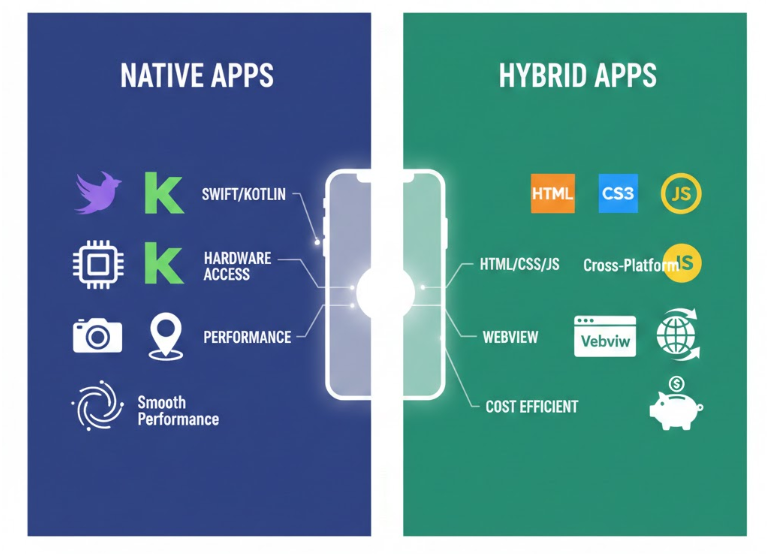
Native Apps vs Hybrid Apps: Which Build Strategy Delivers Better Experience? Smartphones have evolved far beyond communication devices. Today, they are the hub of entertainment, business operations, banking, social networking, shopping, and personal productivity. When a company decides to launch a mobile application, the first technical decision that heavily shapes the product’s future is the build strategy. This decision usually boils down to two primary choices: Native Apps and Hybrid Apps. Both strategies aim to deliver the same outcome — a working app for the end user — but the way they are built, how they perform, how they integrate with device features, and how much they cost are all significantly different. This article breaks down both approaches from a practical perspective, helping you understand which option delivers a better experience in modern app development. What Are Native Apps? Native apps are applications built using the platform’s official programming languages and SDKs. In simpler terms: Android apps are written using Kotlin or Java iOS apps are written using Swift or Objective-C Since native apps run directly on the device without any intermediary layer, they can fully utilize the hardware and native APIs, resulting in exceptional performance. Key Characteristics of Native Apps Fast, smooth UI and animations Deep access to system features (camera, GPS, sensors, NFC, AR, etc.) Consistent platform-specific look and feel Better GPU and CPU utilization Optimized memory management For demanding applications like games, AR/VR utilities, advanced camera apps, or real-time communication tools, native development is often the default choice. What Are Hybrid Apps? Hybrid apps are built using web technologies like HTML, CSS, and JavaScript, and then wrapped inside a native container so they can run on mobile platforms. Internally, they use a browser-like component (WebView) to render content. Popular hybrid frameworks include: Ionic Cordova (Apache) Framework7 Onsen UI Hybrid development focuses on code sharing and faster delivery rather than maximum hardware utilization. Key Characteristics of Hybrid Apps Single codebase for Android and iOS Faster development cycles Lower overall cost Easy web-to-app conversion for content-driven products Limited performance compared to native apps Hybrid apps are suited for apps where the UI does not require heavy animation or deep hardware usage. User Experience (UX) Comparison User Experience is a major deciding factor in the success of modern mobile apps. Even small delays, frame drops, and unresponsive gestures can lead to uninstalls and bad reviews. Native UX Native apps have a natural advantage in UX because: UI controls match platform standards Scrolling and gestures feel natural Animations generally run at high frame rates (close to 60fps) Transitions are smooth and responsive Examples like WhatsApp, Instagram, TikTok, and Uber deliver highly polished native experiences that users have come to expect. Hybrid UX Hybrid UX depends on the performance of WebView and JavaScript engines. Some common drawbacks include: Occasional frame drops Non-native scrolling momentum Slight input latency Limited gesture support in complex interactions Hybrid apps perform well in content-heavy environments but struggle with GPU-heavy workloads. Performance Comparison Performance becomes critical for apps involving graphics, animations, real-time features, or large datasets. Native Performance Native apps benefit from: Direct hardware access No extra interpretation layer Better memory and thread management Faster app startup times Low-latency animations and transitions This performance edge is why gaming and multimedia apps avoid hybrid technologies. Hybrid Performance Hybrid apps rely on WebView, which introduces: Rendering overhead JavaScript bridge latency Weaker GPU access Slower screen updates However, hybrid apps excel in lightweight use cases like: News apps Blog or article readers Internal enterprise dashboards Simple form-driven applications Development Speed and Cost From a business point of view, time to market and development budget are important considerations. Hybrid Advantages Hybrid development is appealing because: One codebase works across platforms One team can build both versions Updates are easier and faster MVPs can be shipped in weeks, not months This makes hybrid development popular among startups and businesses testing new ideas. Native Trade-Offs Native development demands: Two separate codebases Specialized teams for Android and iOS Longer QA and deployment windows While cost is higher, long-term product stability and performance may justify the investment. Hardware & Feature Access Mobile apps often require interaction with device hardware. Native Access Native apps can easily use: Bluetooth Low Energy Fingerprint & Face ID systems Advanced camera APIs AR frameworks (ARKit, ARCore) High refresh rate displays (90Hz/120Hz) Audio DSP control Background services Hybrid Limitations Hybrid apps rely on plugins for hardware features. If plugins are outdated or unavailable, features may lag behind or break. Maintainability & Scalability Hybrid apps are easier to maintain initially because of their single codebase. However, long-term scalability may suffer due to dependency on third-party plugins. Native apps require more investment upfront but scale better because they evolve alongside platform changes. Real-World Examples Native Apps Instagram Uber Snapchat PUBG Mobile Spotify Hybrid Apps Early LinkedIn versions Small enterprise field tools Content-based news apps Interestingly, LinkedIn originally used a hybrid approach but later switched to native due to performance problems. Final Verdict: Which Delivers Better Experience? Both strategies have a place in modern mobile development: ✔ Choose Native When: Hardware access is critical Performance is a priority Complex UI or animations are required Long-term product vision exists ✔ Choose Hybrid When: Budget is limited MVP needs fast release App is content-driven Hardware usage is minimal In simple terms: Better Experience = NativeBetter Development Speed = Hybrid
Tech Desk
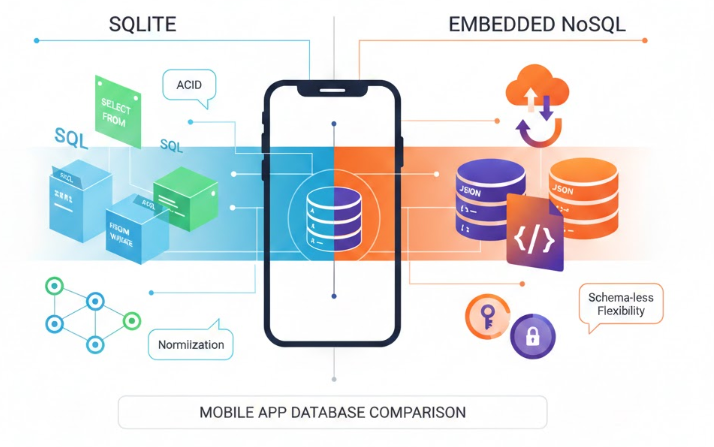
✅ SQLite vs Embedded NoSQL: How Modern Mobile Apps Store Data Offline Mobile applications aaj sirf online services nahi dete, balki offline mode me bhi smooth experience provide karte hain. Chahe vo WhatsApp ho, Instagram, map apps, note-taking apps ya fitness tracking tools – sabme offline storage ka ek strong role hota hai. Isi context me do approaches ka naam sabse zyada sunne ko milta hai: SQLite aur Embedded NoSQL databases. Is article me hum deep dive karenge ki SQLite kya karta hai, Embedded NoSQL ka kya role hai, aur modern mobile apps in dono ko kaise use karte hain. Saath hi, hum scalability, performance, data modeling aur developer experience ko bhi compare karenge taaki aapko ek complete picture mil jaaye ki kahan kaunsa solution better fit hota hai. 📌 Why Offline Storage Matters in Mobile Apps? Saare mobile users har time network ya Wi-Fi ke upar dependent nahi ho paate. For example: Rural/remote areas me network issue Metro cities me underground travel Flight mode usage Battery saver mode me background network off Limited data plans In situations me agar app offline store karke baad me sync kar le, to user experience better ho jata hai. Isi liye offline-first architecture aaj ke time me popular ho chuka hai. 🏛 What is SQLite? SQLite ek lightweight, file-based relational database hai jo SQL support karta hai. Ye serverless hai aur direct application ke sath bundle ho jata hai. Iska koi dedicated database server nahi hota. Key Features SQL-based relational model Single file storage (no server) ACID transactions supported Small footprint (~500KB) Reliable aur widely adopted Android me to SQLite built-in aata hai, aur iOS me bhi Core Data ke through use hota hai. 📦 What is Embedded NoSQL? Embedded NoSQL databases wo systems hote hain jo serverless NoSQL models ko mobile app me embed karte hain. Ye generally document-oriented, key-value ya graph formats support karte hain. Popular examples: Realm DB Couchbase Lite ObjectBox RocksDB LevelDB Key Features No fixed schema JSON/document storage Built-in sync capabilities (some) Very fast reads/writes Suited for dynamic data NoSQL ka sabse bada advantage hai denormalization aur flexibility. 🔄 Data Modeling: Relational vs Document Data modeling decision is key: SQLite (Relational) Data tables me split hota hai Foreign keys, joins, indexes Normalization required Schema defined upfront Example model:User -> Posts -> Comments (three separate tables) NoSQL (Document) Data document me group hota hai No joins (mostly) Schema-less or dynamic schema Nested objects allowed Example document structure: { "user": {...}, "posts": [ {"id": 1, "title": "..."}, ... ] } Denormalization se reads super-fast ho jati hain. ⚙️ Performance Considerations Mobile devices ke andar CPU + storage constraints hote hain. Isliye performance important hai. SQLite Performance Small data sets ke liye fast Complex queries handle kar sakta Indexing strongly improves lookup Write performance respectable But joins + normalization overhead create kar sakta. Embedded NoSQL Performance Massive write speed JSON/document serialization fast Less CPU overhead No JOIN = faster reads Realms & ObjectBox use lazy loading Isliye real-time syncing apps me fayda karta hai. 🔒 Synchronization & Offline-First Ek modern mobile app mostly offline data ko cloud se sync karti hai. SQLite me syncing Manual logic required Developer ko conflict resolvers create karne padte No built-in sync NoSQL me syncing Some embedded NoSQL solutions like Couchbase Lite + Sync Gateway automatic conflict-resolution provide karte hain. Example use cases: Notes apps -> Evernote type syncing Field apps -> Koi telecom survey etc Messaging apps -> Offline message queuing 🎮 Developer Experience SQLite Developer ko SQL queries likhni padti ORM tools (Room, SQFlite, CoreData) simplify karte Schema migrations painful ho sakti Errors often runtime me detect hote NoSQL Object-based APIs Less boilerplate No schema migration headache JSON/document direct map ho jata Change listeners support hota Real-time updates available Realm me to aap objects ko seedha observe kar sakte ho (reactive style). 📱 Use Cases Comparison Use Case Recommended Financial / Transaction apps SQLite Inventory systems SQLite Chat apps (real-time, sync) NoSQL Note-taking apps NoSQL Sensor/IoT data logging NoSQL Social media with feeds NoSQL Simple local storage apps SQLite 🔍 Real-World Examples SQLite Usage WhatsApp (chat backup + media indexing) Telegram local caching Browsers store history via SQLite NoSQL Usage Facebook Messenger uses distributed NoSQL Realm used by Spotify, Netflix, Disney apps Couchbase Lite used in enterprise field apps 🧩 Conclusion Dono systems ka apna importance hai. SQLite relational integrity aur transactional workloads ke liye best fit hai jabki Embedded NoSQL dynamic, offline-first, real-time aur sync-based apps ke liye powerful hai. Future mobile architectures offline-first + cloud sync direction me move kar rahe hain — jaha NoSQL ecosystems zyada seamless solutions offer karte hain. Modern apps binary choose nahi karti — they combine both!Example: App feeds NoSQL me aur billing/invoices SQLite me. Agar aap mobile developer ho to decision data model, sync need, performance, user experience aur flexibility pe depend karta hai.
Tech Desk

कभी-कभी ज़िंदगी इतनी उलझ जाती है कि मन में एक ही सवाल बार-बार उठता है—क्या भगवान के पास सच में कोई योजना है, या हम बस किसी तरह ज़िंदा हैं? हम मेहनत करते हैं, सपने देखते हैं, कोशिश करते हैं…फिर भी कई बार चीजें हमारी उम्मीदों के मुताबिक नहीं होतीं। ऐसे moments में इंसान का विश्वास हिलने लगता है।यही वो समय है जब यह सवाल सबसे ज़्यादा चुभता है। ✦ 1. ज़िंदगी का हर मोड़ वैसा नहीं होता जैसा हम चाहते हैं हम चाहते हैं कि सब कुछ एक straight line में चले: School → Study → Job → पैसा → शादी → खुशियाँ लेकिन असल ज़िंदगी zig-zag road की तरह होती है। कहीं गड्ढे आते हैं, कहीं मोड़, कहीं सीधी सड़क, और कहीं अंधेरा भी। इस अंधेरे में हमें लगता है कि भगवान की कोई प्लानिंग नहीं है,हम बस survive कर रहे हैं…लेकिन सच्चाई थोड़ी अलग होती है। ✦ 2. भगवान की योजना हमेशा समझ में नहीं आती किसी बच्चे को जब टीका लगता है, वो रोता है।उसे लगता है कि “मम्मी-पापा मुझे क्यों दर्द दे रहे हैं?”लेकिन वो नहीं जानता कि यही टीका उसे बीमारियों से बचाता है। हम भी भगवान के बच्चे हैं।और कई बार जो दर्द हमें मिलता है,वो हमें आगे आने वाले बड़े नुकसान से बचाने के लिए होता है। लेकिन उस वक्त यह बात समझ में नहीं आती। कभी-कभी भगवान सीधे मदद नहीं करते,बल्कि रास्तों को बदल देते हैं। ✦ 3. कुछ रास्ते बंद होते हैं ताकि सही रास्ता खुल सके तुम सोचो—अगर उस रिश्ते में तुम नहीं टूटते,तो क्या आज तुम emotionally इतने strong बनते? अगर वो job नहीं छूटती,तो क्या आज तुम अपनी skills पर काम करते? अगर वो लोग तुमसे दूर नहीं होते,तो क्या तुम खुद को पहचान पाते? कई बार भगवान “NO” नहीं बोलते,वो “BETTER” के लिए इंतज़ार कराते हैं। ✦ 4. भगवान की प्लानिंग में टाइमिंग सबसे बड़ी चीज होती है तुम सोचते हो कि “मुझे अभी चाहिए”लेकिन भगवान सोचते हैं— “अभी नहीं… थोड़ा और सीख ले, थोड़ा और मजबूत हो ले।” फूल भी समय से पहले नहीं खिलते।फसल भी मौसम से पहले नहीं उगती। हर चीज़ का एक Perfect Timing होता है।और भगवान उसी टाइमिंग पर काम करते हैं, हमारी टाइमिंग पर नहीं। ✦ 5. कभी-कभी चुप रहना भी भगवान का तरीका होता है जब सब कुछ ठीक चल रहा हो,तो कोई भी भगवान को याद नहीं करता। लेकिन जब दुख आता है,तभी इंसान अपने अंदर झांकता है। कभी-कभी भगवान चुप रहते हैंताकि हम खुद के अंदर की ताकत को खोज सकें। क्योंकि अगर हर बार भगवान हमें बचा लेंगे,तो हम खुद खड़े होना कभी सीख नहीं पाएंगे। ✦ 6. तुम्हारा जीवन सिर्फ survival नहीं है तुम सिर्फ survive नहीं कर रहे हो।तुम सीख रहे हो, बढ़ रहे हो, समझ रहे हो। हर दर्द, हर कठिनाई, हर असफलतातुम्हें उस इंसान में बदल रही हैजो तुम भविष्य में बनने वाले हो। शायद अभी तुम नहीं देख पा रहे,लेकिन आने वाला समय जब तुम्हें पीछे मुड़कर देखने देगा,तब तुम कहोगे: “शुक्र है ये सब हुआ… नहीं तो मैं आज इतना मजबूत नहीं होता।” ✦ 7. भगवान की योजना हमेशा Perfect नहीं लगती — लेकिन Perfect बनाती जरूर है कभी तुम्हारा मन कहे कि: “सब खत्म हो गया…” “अब कुछ नहीं हो सकता…” “मैं अकेला हूँ…” “भगवान मेरी सुन नहीं रहे…” तो खुद से एक सवाल पूछो— अगर भगवान का कोई प्लान नहीं होता,तो तुम अब तक इतने मुश्किल हालातों से कैसे निकल आए? तुमने वो सब झेला हैजिसे झेलने की हिम्मत हर किसी में नहीं होती। तुम्हारा सफर बेकार नहीं गया।हर चोट, हर आंसू, हर रात…कुछ सिखा कर गई है। 🌟 Conclusion भगवान की Plan समझना आसान नहीं।वो किताब की तरह नहीं मिलती।वो धीरे-धीरे खुलती है…कभी आँसुओं में, कभी मुस्कान में, कभी टूटने में, कभी बनने में। हमारी ज़िंदगी सिर्फ survival नहीं है।ये एक journey है जिसमें हर मोड़ का एक मतलब है—चाहे वो अभी समझ में आए या नहीं। भगवान हमेशा कोई न कोई रास्ता रखते हैं,बस कभी वह साफ दिखता है, कभी धुंधला। लेकिन इतना तय है: जहाँ तुम हो, वहाँ यूँ ही नहीं हो।और जहाँ तुम जा रहे हो, वो तुम्हें देखकर ही बनाया गया है।बस चलते रहो… भरोसा मत छोड़ो।
Mahakal Ki Diwani
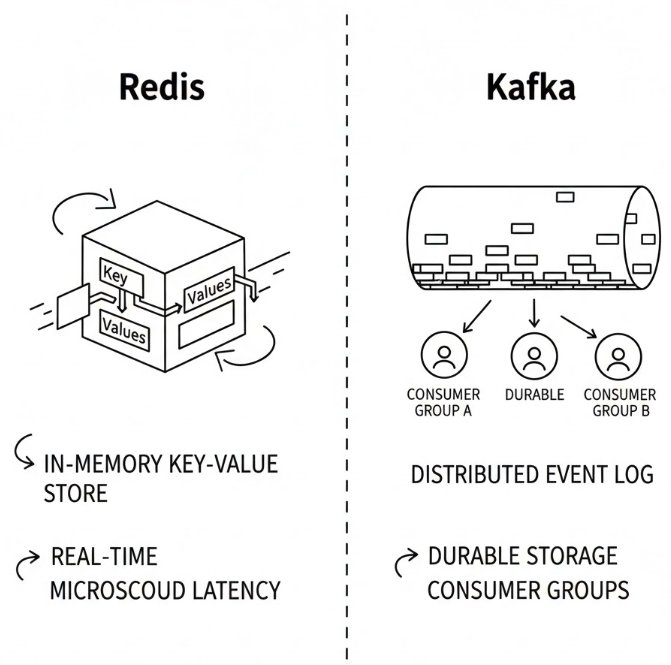
🚀 Redis vs Kafka: Which One for Real-Time Systems? When developers talk about “real-time systems,” they’re usually referring to anything that needs to react right now, not after 5 seconds or 1 minute. For example: Live stock prices updating Food delivery order status changing Online gaming player movement Chat messages appearing instantly Real-time GPS tracking in Uber Notifications on Instagram To handle this kind of data, companies rely on tools like Redis and Kafka, but both solve very different problems. Let’s break them down like developers actually understand. 🟥 What is Redis? — Simple Explanation Redis is an in-memory data store, meaning data stays in RAM (not disk), making it extremely fast. Think of Redis like: ✔ A temporary memory✔ A cache layer✔ A fast lookup table✔ A shared “state” for applications Redis can be used as: Cache Session store Key-value store Pub/Sub system Rate limiter Leaderboard engine Queue (lightweight) ⏩ Speed Example: RAM > SSD > HDD So reading from Redis is like asking your brain, not checking your diary. 🟦 What is Kafka? — Simple Explanation Kafka is a distributed event streaming platform.It stores messages (events) in logs so other systems can read them later. Think of Kafka like: ✔ A pipeline for events✔ A history log of everything that happened✔ A broadcaster for multiple subscribers Kafka is used for: Real-time analytics Event logs Metrics processing Stream processing Data pipelines Microservices communication Key point: Kafka persists messages by default, Redis does not (unless configured). ⚔️ Redis vs Kafka — Core Concept Difference Feature Redis Kafka Main Use Cache / Fast data Event streaming Storage Type In-Memory Disk-based commit log Message Retention Short-lived (optional) Long-term Ordering Not guaranteed everywhere Strict ordering Scaling Vertical + Clustered Distributed horizontal Subscribers Pub/Sub real-time Consumers groups Latency Microseconds Milliseconds Data Replay No Yes Durability Low (by default) High 🧠 Simple Analogy (Easiest Way to Remember) 📌 Redis = Short-term memory→ Fast access, fast forget. 📌 Kafka = Recording system→ Store everything, replay later. Imagine a cricket match: Redis = Live score on screen (fast, current state) Kafka = Full commentary recording (history, replay) That’s the difference. 🛠️ Real Use Case Comparisons 🟩 Use Case 1: Real-Time Leaderboard (Gaming) Game needs to show: Top players Current score Live ranking Players’ scores update very frequently. Redis is perfect here because: ✔ Fast updates from memory✔ Sorted sets available✔ Microsecond latency Example: Pubg / BGMI / Valorant style games. Kafka is not required here, because we don’t need history of every score update. 🟦 Use Case 2: Food Delivery Tracking (Swiggy / Zomato) There are two needs: Live tracking (rider location) Analytics later (rider speed, order delays) So companies do: ✔ Redis → Store current location + ETA✔ Kafka → Store all events (for analytics) Redis handles now, Kafka handles what happened. 🟩 Use Case 3: Chat Systems (WhatsApp-like) For chat: Messages need to go instantly Online status needs to update Typing indicators are rapid signals Redis Pub/Sub works great for: ✔ Typing indicators✔ Online/offline presence✔ Chat reading (fast cache) But Kafka helps in: ✔ Message storage✔ Delivery tracking✔ Analytics Again both used together. 🟦 Use Case 4: Stock Market + Trading Stock price updates come extremely fast. Redis handles: ✔ Current price✔ Order book cache✔ Fast lookup for UI Kafka handles: ✔ Price event history✔ Analytics (ML/Algo trading)✔ Data replay for compliance Trading platforms must store who bought what — Kafka is perfect for that. 🧩 So When Should You Use Redis? Choose Redis when you need: ✔ Ultra-low latency (<1ms)✔ Fast read/write✔ Shared state✔ Cache layer✔ Session management✔ Rate limiting✔ Leaderboards✔ Counters Examples: Session tokens for login systems Cart data in e-commerce API rate limiting Real-time counters (likes, views) Feature flag storage Redis is basically for fast stateful data. 🧩 So When Should You Use Kafka? Choose Kafka when you need: ✔ Event streams✔ Audit trails✔ Historical replay✔ Distributed consumers✔ Data pipelines✔ Microservices communication✔ Stream processing Examples: Fraud detection systems Payment event systems Metrics pipelines (Prometheus, Loki, etc.) ML feature pipelines Clickstream analytics (Google Analytics type) Kafka is basically for event flow and history. 🔀 Why Modern Systems Use Both Together Most scalable companies combine them: ✔ Kafka handles the logs & events✔ Redis handles the current state This combo exists at: Netflix Uber Swiggy Amazon Flipkart Meta Example: Uber rider location → Redis (current view)All rider pings → Kafka (history + analytics) Result: → Fast UI + deep analytics 🏁 Conclusion Redis and Kafka are not competitors —they solve completely different problems. ✔ Use Redis for:→ caching, real-time values, current state, low-latency lookups ✔ Use Kafka for:→ durable event logs, stream processing, replay, analytics If your app needs real-time + history,combine both, just like modern systems in 2026.
Tech Desk
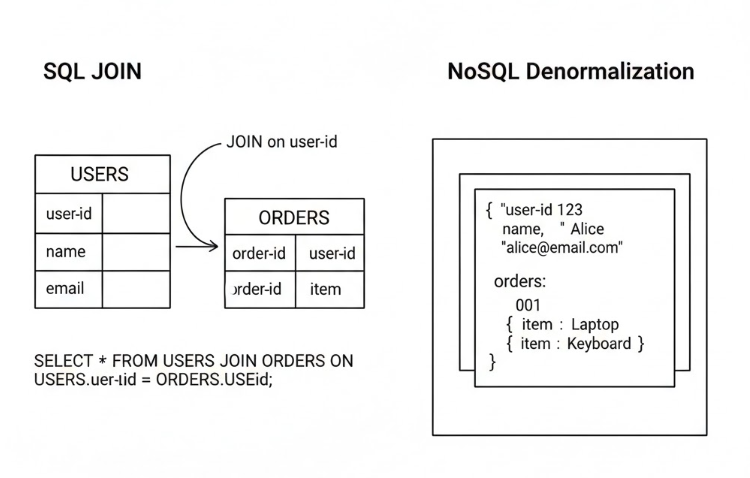
🟦 SQL and Normalization — A Quick Refresher SQL databases follow Normalization rules.Normalization simply means — don’t duplicate data unnecessarily. For example, a Basic SQL design: 📂 Users Table id name 1 Jay 2 Rohan 📂 Orders Table id user_id product 101 1 Mobile 102 2 Laptop Here, Orders.user_id connects to Users.id. When you want to fetch who ordered what, you do: SELECT users.name, orders.product FROM orders JOIN users ON orders.user_id = users.id; This is called a JOIN. 🔹 Why JOIN is important? Because it: ✔ avoids duplicate user data✔ ensures consistency✔ saves storage✔ allows complex analytical queries SQL works best where relations are critical — like banking, ERP, e-commerce orders, HRMS, payments, etc. 🟩 NoSQL and Denormalization — The Modern Way Now imagine a modern social platform like Instagram: Each post has: photo caption comments likes user info timestamps If you try to normalize this with SQL, you get: User table Post table Comment table Likes table Follow table And to render one post in feed, you will need: SELECT post JOIN user JOIN comments JOIN likes JOIN follows Too many JOINs → slow response → bad UX That’s where NoSQL databases like MongoDB, DynamoDB, Firebase use Denormalized document design. In NoSQL, a single document might look like: { "post_id": 555, "user": { "id": 1, "name": "Jay", "avatar": "pic.jpg" }, "caption": "Good Morning", "likes": 157, "comments": [ { "user": "Rohan", "text": "Nice bro" }, { "user": "Vikram", "text": "🔥🔥" } ], "timestamp": "2026-01-01" } No JOIN required.Everything needed for UI is already bundled. ⚔ JOIN vs Denormalization — Practical Differences Feature SQL JOIN NoSQL Denormalization Data Structure Normalized Embedded / Flattened Queries Complex joins Single document fetch Storage Less More Write Speed Slower (constraints) Faster Read Speed Depends on joins Very fast Use Cases Banking, ERP, Inventory Social media, IoT, Chat apps Consistency Strong Eventual (mostly) Scaling Vertical Horizontal 🚀 Performance Perspective 🟦 SQL JOIN performance JOINs are heavy when: ❌ tables are very large❌ indexes are missing❌ too many JOINs are chained❌ sharding or clustering is required That’s why globally scaled systems often face JOIN bottleneck. 🟩 NoSQL Denormalization performance Denormalization improves: ✔ read speed✔ feed rendering time✔ API response time✔ horizontal scaling✔ caching behavior Platforms like: Instagram Twitter TikTok Reddit Netflix use denormalized models heavily for fast UI feeds. 📦 Real Examples That Help You Decide 🧾 E-Commerce Example Cart + Checkout needs consistency: cart items address coupons payments → SQL fits well. But product browsing (infinite scroll): categories filters images review counts → NoSQL caching or denormalization gives fast UX. Therefore modern e-commerce uses: ✔ SQL for transactions✔ NoSQL + Cache for browsing 🗺️ Food Delivery App Example When showing orders on screen: Restaurant Info + Items + Prices + Address + Status SQL JOIN would require: Join Order → Restaurant Join Order → Items Join Items → Price Too slow for real-time delivery tracking. Denormalized NoSQL structure stores order like: { "order_id": 9001, "restaurant": { "id": 12, "name": "Food Point" }, "items": [ { "name": "Burger", "qty": 2, "price": 120 } ], "total": 240, "status": "Out for delivery" } One fetch → Show UI → User happy. 🧠 2026 Best Practices: Hybrid Architecture Smart companies don’t ask: “SQL or NoSQL, कौन best है?” They ask: “Use case के हिसाब से कौन best है?” Most real systems use both: ✔ SQL for consistency (transactions, accounting)✔ NoSQL for performance (feed, logs, analytics)✔ Redis for caching✔ Kafka for event streams This hybrid style is now common in: Uber Swiggy Amazon Flipkart Netflix 🏁 Conclusion SQL JOIN and NoSQL Denormalization are not enemies —they are tools with different strengths. ✔ Use SQL JOIN when:→ data is relational→ accuracy matters→ constraints are strict→ schema is stable ✔ Use NoSQL Denormalization when:→ reads must be fast→ UI needs denormalized data→ schema evolves frequently→ scaling is priority In 2026, the smartest engineers mix both instead of choosing one blindly.
Tech Desk
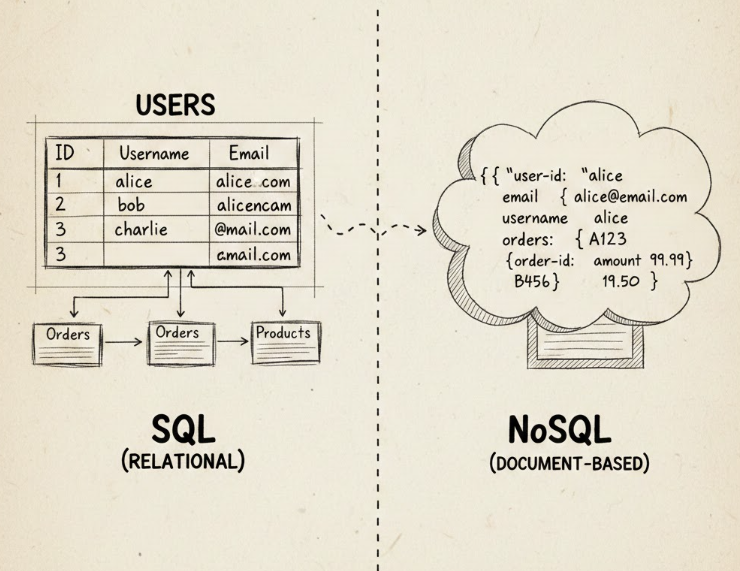
#️⃣ SQL vs NoSQL Databases: What Should You Choose in 2026? When you start building applications (web, mobile, AI tools, dashboards, etc.), one of the biggest decisions is choosing the right database. By 2026, the choice has become even more interesting because data is bigger, faster, and more complex than ever before. Still, one common question remains: 👉 Should you choose SQL or NoSQL? The truth is — there is no universal winner.The right choice depends on your data, use case, and scaling needs. Let’s understand both properly — not in a boring textbook way, but like how real developers think. 🟦 What Exactly Is SQL? (Relational Databases) SQL databases store data in tables with rows and columns, just like spreadsheets. And most importantly: ✔ Every row follows the same structure✔ Data relationships are strong and meaningful✔ Queries follow SQL language (SELECT, INSERT, JOIN…) Examples of SQL databases: MySQL PostgreSQL MariaDB SQL Server Oracle Where SQL shines: SQL databases are perfect for situations where: ✔ Data must be accurate✔ Data must follow rules✔ Relationships matter✔ Consistency is priority For example: Banking transactions E-commerce product inventory Healthcare patient records Airline ticket booking Accounting and finance Imagine a bank account: If you transfer ₹1000,you don’t want the database to “eventually” update it. You want it immediately, accurately and reliably —That’s where SQL wins. 🟩 What Exactly Is NoSQL? (Non-Relational Databases) NoSQL databases do not use fixed tables.Data can be stored in different flexible shapes like: ✔ Documents✔ Key-Value pairs✔ Wide Columns✔ Graphs Popular NoSQL databases: MongoDB (Document) Redis (Key-Value) Cassandra (Wide-Column) Neo4j (Graph) Firebase / DynamoDB (Document + Key-Value) Where NoSQL shines: NoSQL is ideal when: ✔ Data structure changes frequently✔ Huge scaling is required✔ Low latency is needed✔ Relationships don't matter much For example: User activity logs Sensor data and IoT Messaging apps Leaderboards Social media feeds Real-time analytics If you are building the next Instagram or Twitter,NoSQL makes your life easier. ⚔️ SQL vs NoSQL — Real Differences That Actually Matter Let’s break it down in a practical way developers understand: Feature SQL NoSQL Data Model Structured Flexible Schema Fixed Schema-less Scaling Vertical Horizontal Consistency Strong Eventual (mostly) Speed Slower for large writes Faster writes Querying Powerful (joins) Simple queries Use Case Transactions Real-time big data Quick explanation: Vertical scaling = Bigger server (more CPU, RAM) Horizontal scaling = More servers (distributed) By 2026, most modern apps prefer horizontal scaling,which is why NoSQL became popular. 🏦 When SQL Is the Better Choice (2026 Perspective) Choose SQL if your app requires: ✔ Strong consistency✔ Complex JOINs✔ Reliable ACID transactions✔ Structured, stable data Typical examples: ✔ Banking & payments✔ Enterprise software✔ HR & Payroll systems✔ ERP & Inventory systems✔ Medical records✔ School/College systems If your business deals with money or records, SQL is your friend. 🌍 When NoSQL Is the Better Choice (2026 Perspective) Choose NoSQL if your app needs: ✔ Massive scale✔ Low-latency writes✔ Flexible and fast changing data✔ Real-time analytics Typical examples: ✔ Social networks (feeds, likes, comments)✔ Chat systems & messaging✔ IoT sensor logs✔ Personalization engines✔ Leaderboards (gaming)✔ Recommender systems If your app collects millions of small data points per second, NoSQL wins. 🧠 Important Point: Many Modern Systems Use Both It’s not always SQL vs NoSQL.Often it’s SQL and NoSQL. For example: E-commerce app: Orders & payments → SQL Browsing history & recommendations → NoSQL Ride-sharing app: Driver earnings → SQL Real-time location → NoSQL This hybrid approach is becoming common in 2026. 🧩 Popular Companies: What They Use Company SQL NoSQL Amazon PostgreSQL DynamoDB Netflix MySQL Cassandra Uber PostgreSQL Redis + Cassandra Meta (Facebook) MySQL Cassandra + RocksDB YouTube MySQL Bigtable Notice something? 👉 Nobody relies on just one. 📌 Which One Should You Choose in 2026? Here’s a simple rule: ✔ Choose SQL if: Data is structured Relationships matter Accuracy > speed Schema rarely changes ✔ Choose NoSQL if: Data is unstructured Scaling is priority Speed > accuracy (short-term) Schema changes frequently 🏁 Conclusion SQL vs NoSQL is not about "better" or "worse".Both have different strengths. SQL = stability, structure, correctness NoSQL = speed, flexibility, scale The smartest developers in 2026 know when to combine both. If your application needs strong transactional reliability → go SQL.If it needs massive real-time data handling → go NoSQL. Right database = smoother app + happier users + fewer headaches.
Tech Desk

🟦 You Don’t Need Motivation, You Need Direction Most people think they are stuck in life because they lack motivation.They believe that if they somehow had more motivation, they would start studying, start a business, go to the gym, fix their relationships, or change their life. But the truth is — motivation isn’t the problem. Direction is. Motivation comes and goes. Direction stays. 🌧️ Motivation Doesn’t Work the Way You Think People imagine motivation like a sudden burst of energy that will magically transform their life. They say things like: “Bas motivation mil jaaye toh gym shuru kar dunga” “Mood ban jaaye toh reading kar lunga” “Ek din inspiration aayega toh business start karunga” But motivation is not a source — it’s a side-effect. You feel motivated after you make progress, not before. Example: You go to the gym once → body sore hoti है → dopamine release hota है → motivation आता है to go again. You study for 20 minutes → understanding improve होती है → motivation आता है to study more. Action creates motivation. Not the other way around. 🧭 What You Really Need Is Direction A person without direction wakes up and asks: “Aaj kya karu?” “Kaise start karu?” “Kaun sa step follow karu?” But a person with direction knows exactly: What to do Why to do How to do Example:If someone says: “I want to get fit”That’s desire, not direction. Direction होता: Goal: I want to lose 8kg in 4 months Plan: Gym Mon–Sat + 10k steps daily + no sugar Tracking: Weekly weight check Ab motivation की जरूरत नहीं — बस routine follow करना है. 📌 Discipline > Motivation Motivation emotional होता है.Discipline logical होता है. Motivation कहता है: “मैं तब जाऊंगा जब मेरा मन करेगा” Discipline कहता है: “मैं जाऊंगा चाहे मन करे या ना करे” Champions are not motivated all the time — they are disciplined most of the time. 🧩 Why People Feel Lost (3 Simple Reasons) 1️⃣ They don’t know what they wantMost people can’t answer: “What do you want in 5 years?” 2️⃣ They don’t know where to startThey overthink and wait for perfect timing. 3️⃣ They want results fastThey don’t stay long enough to see progress. 🗺️ How to Build Direction (Simple Framework) Here’s a realistic approach: Step 1: Decide One Clear Goal Not 10 goals. Just one. Examples: Learn web development Lose weight Earn money online Improve mental health Step 2: Break It Into Micro Steps Example (Web Dev): Week 1: HTML Week 2–3: CSS Week 4: JavaScript basics Week 5: Projects Small steps remove confusion. Step 3: Environment > Willpower Don’t rely on motivation, rely on system. Examples: Study desk clean → mind active Gym clothes ready → less resistance Blocking apps → less distraction Step 4: Track Progress Tracking gives dopamine → dopamine gives motivation. Track like this: Day 1: studied 30 min Day 2: studied 40 min Day 3: studied 1 hour ⚠️ Important: Stop Waiting for the Perfect Timing There is no perfect time. January is not perfect. Monday is not perfect. Motivation day is not perfect. The perfect time is always now, because time already passing है — चुपचाप. 🧠 Motivation Is Emotional, Direction Is Strategic When you have direction: You don’t waste time You don’t overthink You don’t compare You don’t quit early When you have motivation without direction: You start fast You quit faster No results No progress Direction turns a normal person into a focused person. 💡 Conclusion (Hard Truth) If your life isn’t moving, it’s not because you are lazy or unmotivated. It’s because you don’t have: A clear goal A step-by-step plan A routine A system And consistency Motivation might start the engine.Direction takes you to the destination. Stop chasing motivation.Start building direction. Your future self will thank you.
Motivational Boss
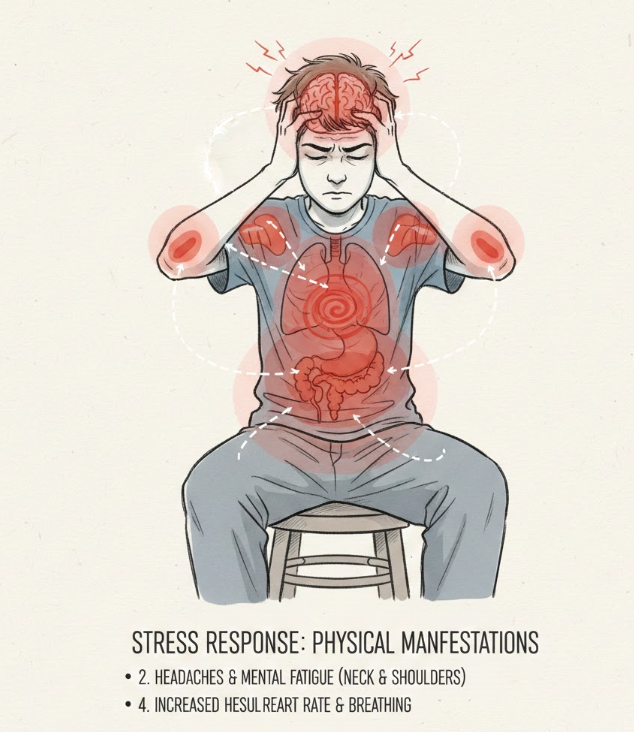
Why Stress Affects Your Body More Than You Realize Stress ko hum log aksar sirf दिमाग का issue मान लेते हैं — “Tension ho raha tha बस.”But reality me stress पूरे शरीर को बदल देता है, अंदर से और बाहर से. Aaj kal students, office workers, freelancers, parents — almost everyone is stressed, but most don’t even know how badly it affects the body. Let’s break it down in real, simple words. 🧠 1. Stress Starts in the Mind, But Travels Through the Body Stress ka main switch hota hai brain. Jab brain ko लग रहा होता है कि कोई danger है—exam, deadline, bills, breakup, job loss—body तुरंत survival mode में चली जाती है. Body releases:✔ Cortisol✔ Adrenaline Yeh hormones short-term में useful हैं (fight or flight), लेकिन long-term में damage करते हैं. ❤️ 2. Stress Makes Your Heart Run Faster Ever noticed? खराब खबर मिलते ही दिल तेज धड़कता है परीक्षा से पहले दिल बढ़ जाता है Boss call आते ही beats बढ़ जाती हैं ये होता है क्योंकि stress:✔ Heart rate बढ़ाता है✔ Blood pressure बढ़ाता है Long-term में यह leads to:➡ Hypertension➡ Chest tightness➡ Fatigue This is why stressed लोग कहते हैं: “Dil bhar aa raha hai”, “Chest tight ho rahi hai” महसूस तो दिल पे होता है, लेकिन वजह दिमाग है. 🌬️ 3. Stress Changes How You Breathe Stress mode में body slow और deep breathing को बंद करके short & fast breathing करती है. Result:✔ Oxygen कम मिलता है✔ Body tight हो जाती है✔ Chest भारी महसूस होता है इसका effect:➡ Panic attacks जैसा feel➡ Chest pain➡ Dizzy feeling➡ Tingling हाथ-पैर में Stress breathing literally creates physical symptoms. 💆‍♂️ 4. Stress Tightens Muscles (Especially Neck, Shoulders, Back) Aap notice करोगे: Exams → neck pain Job deadlines → shoulder tightness Relationship stress → back pain When stressed, muscles go into tension mode. Long-term में होता है:✔ Migraines✔ TMJ jaw pain✔ Stiff neck✔ Lower back pain इसलिए doctor अक्सर पूछते हैं: “Stress है क्या?” क्योंकि body tension stress map जैसा behave करती है. 🧃 5. Stress Affects Digestion (Even When You Eat Healthy) Stress dauraan body सोचना बंद कर देती है “food digest karo”और सोचती है “danger से बचो”. So digestion slows down or stops. Common effects:✔ Gas✔ Bloating✔ Indigestion✔ Acidity✔ IBS-like symptoms Youth bolते हैं: “Kuchh khaaya hi nahi phir bhi acidity ho gayi.” Often it’s not the food — it’s the stress. 😴 6. Stress Destroys Sleep Quality कुछ लोग stress में सो नहीं पाते,कुछ लोग ज्यादा सोते हैं,और कुछ break में सोते हैं. Reasons:✔ Mind is overthinking at night✔ Cortisol disrupts sleep cycle✔ REM sleep कम हो जाती है Poor sleep = next day more stress = cycle repeats. इसलिए लोग बोलते हैं: “Soya hua hoon par thakaan nahi gayi.” 🍫 7. Stress Changes Your Cravings Stress body को बोलता है:“Quick energy de.” So you crave:✔ Sugar✔ Caffeine✔ Fried food✔ Junk food Isliye exams में और job stress में लोग:➡ ज्यादा coffee➡ ज्यादा chocolate➡ ज्यादा maggi/pizza Stress eating real hai — imagination nahi. 🪞 8. Stress Shows on Your Skin and Hair Long-term stress causes:✔ Hair fall✔ Pimples✔ Skin dullness✔ Dark circles कई लोग hair fall ke लिए shampoo बदलते रहते हैं,but actual समस्या होती है:➡ Stress + sleep + nutrition Skin is a mirror of the nervous system. 🧠 9. Chronic Stress Changes Your Brain अगर stress महीनों तक रहे तो brain में physical बदलाव आते हैं: ✔ Memory weak✔ Focus कम✔ Motivation drop✔ Anxiety बढ़ती है इसलिए stressed लोग बोलते हैं: “Dimag kaam nahi kar raha”,“Yaad nahi reh raha”,“Kaam start nahi ho raha” This isn't laziness — it’s biology. 👥 10. Stress Affects Relationships When you’re stressed:✔ Patience कम हो जाती है✔ Irritation बढ़ जाता है✔ Small issues big लगने लगते हैं इसलिए:➡ Couples लड़ते हैं➡ Friends दूर हो जाते हैं➡ Family tension बढ़ती है Because emotional bandwidth कम हो जाती है. 📌 So Why Does Stress Affect the Body So Much? Simple answer: Because the mind and body are not separate. Stress is not:❌ weakness❌ overthinking❌ attention seeking Stress is:✔ biological reaction✔ hormonal shift✔ nervous system overload The body remembers what the mind tries to ignore. 🛠️ How to Reduce Stress (Actually Practical Tips) Not unrealistic meditation-only advice. ✔ 1. Body Movement (Daily 20–30 min) Walking, stretching, yoga — anything. Movement releases tension from muscles. ✔ 2. Sleep Discipline (Not Just Sleep) Same sleep time daily Phone दूर रखें Heavy thoughts रात में avoid Quality sleep = emotional recovery. ✔ 3. Nutrition (Simple Rules) Protein daily Hydrate Avoid excess caffeine Eat real food ✔ 4. Reduce Cognitive Load Write tasks down: To-do list Notes Reminders Brain relax हो जाता है. ✔ 5. Deep Breathing 5 Minutes Slows down the stress system. ✔ 6. Talk to Someone Talking releases emotional pressure. You don’t have to “fix everything alone.” 🎯 Conclusion Stress आज की पीढ़ी का सबसे बड़ा invisible disease है. It doesn’t look serious — but feels serious inside. It affects:✔ Brain✔ Heart✔ Digestion✔ Hormones✔ Muscles✔ Skin✔ Sleep✔ Relationships And that’s why stress affects your body more than you realize. If you are stressed — it’s not a sign of weakness. It’s a sign that your body needs care.
Health Desk

Why Young People Have Back Pain in Their 20s It used to be common to hear older people complain, “Back dukh raha hai.”But today, you will hear the same sentence from 20–28 year olds — students, IT employees, gamers, editors, creators, freelancers. Back pain, jo pehle 40+ age ka issue hota tha, aaj 20s me normal ho gaya hai. Aur ye sirf India me nahi, duniya bhar me ho raha hai. So why does a generation that does not do heavy physical labor experience so much back pain? Let’s break it down in simple, real, non-medical language. 🪑 1. Sitting Is the New Default (And Chairs Are the New Enemy) Most young people spend their entire day sitting: ✔ Online classes✔ Office work✔ Gaming✔ Editing & coding✔ OTT & YouTube✔ Phone scrolling✔ Eating meals Aaj ki life ka schedule kuch aisa hota hai: Sit in college Sit in transport Sit in office Sit at home Sit on bed Sleep Human body was not designed to sit 10–14 hours daily. Our spine needs movement. Sitting for long periods: Tightens hip flexors Weakens core muscles Creates pressure on lower back Reduces blood flow End result? Back pain — without doing anything “wrong.” 💻 2. Work and Study Posture Is Terrible Most people work like this: Laptop on bed Laptop on low table Phone between neck and ear Back bent forward Shoulders rounded Or the famous Indian gamer posture:➡ Face 10 inches from screen, neck bent down. This posture creates forward head syndrome, which puts stress on: ✔ Neck✔ Upper back✔ Lower back Even your chair matters. Most students sit on: Plastic chairs Beds Floor with pillows Sofas All of these are posture killers. 📱 3. Phone Time = Neck Pain = Back Pain Phone scrolling requires:➡ Neck down + Spine curved This position increases head weight from 5 kg (normal) to 27–30 kg load on spine. This leads to:✔ Neck strain✔ Shoulder tightness✔ Upper back tension Over months → full back pain College students and WFH employees have this issue every day. 🎮 4. Gaming & Editing Sessions Go On for Hours If you ask a gamer:“Kitna time khela?” Answer will be:“4 hours only bro.” Creators & editors:“Bas 6 hours timeline me ghus gaya.” These tasks require:✔ Static posture✔ Zero movement✔ High concentration✔ Poor hydration Static sitting = worst for spine 🧍 5. Weak Core Muscles (Nobody Exercises) Back is not meant to support your body alone — core muscles help. A strong core = less back pain.A weak core = spine takes all the load. Youth lifestyle today: No sports No running No stretching No strength training So what happens? Weak core + sitting all day = back pain guaranteed 🧠 6. Stress Shows Up in the Body Most 20-year-olds underestimate stress. Stress is not just emotional — it affects the nervous system and muscles. Stress causes:✔ Muscle tension✔ Shallow breathing✔ Stiff shoulders✔ Tight back muscles You’ll notice: Exams → neck pain Job pressure → shoulder pain Relationship issues → back tightness Stress literally changes posture and breathing, leading to pain. 🍔 7. Poor Nutrition Affects Muscles & Bones Youth diet in reality: Breakfast → Chai + biscuitLunch → Canteen foodEvening → Momos, burgers, pizzaNight → Chips + cold drink Low: Protein Healthy fats Vitamins Minerals But high: Sugar Oil Refined carbs Muscles need protein to stay strong.Bones need vitamin D + calcium. Modern diet = no strength + no recovery. ☀️ 8. Vitamin D Deficiency (Common in India) Indian youth rarely get sunlight because: ✔ Indoor jobs✔ Indoor college✔ Gaming indoor✔ OTT indoor✔ Even gym indoor Vitamin D deficiency = weak bones + weak muscles → back pain This is extremely common now. 🧩 9. Daily Life Lacks Movement Think about this: Earlier generations: Walked long distances Sat on floor Worked in fields Lifted things Climbed stairs Today: Ola/Uber/Zomato/Swiggy Lift & escalator Online shopping Home delivery Chair everywhere No movement = stiff body Our body becomes like a machine:If not used → rusts 🧠 So What’s the Real Cause? Back pain in youth is not because they’re old — it’s because they’re: ✔ Sitting too much✔ Moving too little✔ Sleeping poorly✔ Eating poorly✔ Stressed constantly✔ Lacking sunlight✔ Weak in core muscles This is lifestyle back pain, not “old age back pain.” 🛠️ How to Reduce Back Pain (Realistic, Not Gym Bro Tips) Here are simple fixes (practical for students & employees): ✔ 1. Stand Up Every 45–60 Minutes Just walk for 2–3 minutes. ✔ 2. Fix Your Laptop Position Screen should be at eye level. ✔ 3. Stretch Daily (10–15 Minutes) Focus on: Hamstrings Hip flexors Upper back Neck ✔ 4. Strengthen Core (3x Week) Planks, bridges, bird-dogs — no gym needed. ✔ 5. Get Sunlight 10–15 minutes daily for Vitamin D. ✔ 6. Reduce Bed/Laptop Combo Bed is for sleeping, not for coding. ✔ 7. Use a Supportive Chair Or add a pillow behind lower back. ✔ 8. Manage Stress Try: Walking Journaling Yoga Silence time Stress relief ≠ Sleep.Stress relief = Body relax mode. 🎯 Conclusion If you're in your 20s and experiencing back pain, don’t think: “Mere sath hi problem hai.” The modern world is designed for:✔ Sitting✔ Stress✔ Screens✔ Convenience Not for:✔ Movement✔ Sunlight✔ Posture✔ Strength Back pain is not a sign of weakness — it’s your body's feedback. Listen early, fix early.
Health Desk

Why Young People Feel Tired All the Time (Even Without Doing Much) If you ask any young person today, “How are you?”, you’ll hear things like: “Tired bro.” “No energy.” “Mentally exhausted.” “Dil nahi lag raha.” “Bas thaka hua hoon.” The surprising part? Many of them are not doing heavy physical work. They’re not farming, not lifting sacks, not doing 12-hour factory shifts. Yet they feel tired from the moment they wake up till they go to sleep. So what’s happening? Why does an entire generation feel tired without “doing much”? Let’s break it down in simple, real-life language — no medical drama, no fake motivational gyaan. 🌑 1. Mental Work Has Replaced Physical Work Earlier generations did physical labor — farming, climbing, carrying, walking. Today’s young generation does mental labor: ✔ Screen work✔ Meetings✔ Coding✔ Studying✔ Multitasking✔ Trying to “stay productive” Mental work doesn’t look tiring from the outside, but it drains your cognitive energy. That’s why after 3 hours of office, online classes, editing videos, or coding, you feel exhausted even though you never left your chair. 🧠 2. The Brain Never Switches Off (Information Overload) Aaj ka din kaise shuru hota hai? Most young people wake up and immediately check: 📱 WhatsApp📱 Instagram Reels📱 News📱 Emails📱 Stocks / Crypto Charts📱 Notifications Before getting out of bed, the brain has already processed hundreds of micro-stimuli. Every notification is like someone tapping your shoulder saying: “Look here, respond now!” This constant attention switching exhausts the brain. Earlier generation had: Slow mornings Less input Few decisions Today we have: Infinite input Infinite decisions Zero mental rest No wonder we’re tired. 🌙 3. Sleep Quantity Is Fine — Sleep Quality Is Not Most young people sleep 6–8 hours, but still wake up tired.Why? Because:✔ Phone till 2 AM✔ Blue light exposure✔ Irregular sleep schedule✔ Caffeine late at night✔ Overthinking before sleep So even if you sleep 7 hours, deep sleep is just 2–3 hours. Deep sleep = repair + recovery. Without it, you wake up feeling like you didn’t rest at all. 🍔 4. Nutrition Is Poor (Fast Food ≠ Fuel) Energy doesn’t come from junk food — it comes from nutrients. Today’s food habits look like: Breakfast = No breakfast or chai + biscuitsLunch = Street food or office canteenEvening = Burgers, fries, pizza, instant noodlesNight = Chips or sugar snacks This causes:✔ Blood sugar spikes & crashes✔ Low iron & vitamins✔ Constant fatigue Most young people are undereating nutrients, not calories. There’s a huge difference between feeling full and feeling energized. ☕ 5. Caffeine Is Replacing Real Rest Most youths drink: 2–6 cups coffee/tea daily Energy drinks during exams Cold coffee during office hours Caffeine doesn’t give energy — it blocks your brain’s tiredness signals. So the body never gets real downtime. Result?✔ Afternoon crashes✔ Insomnia✔ Anxiety✔ Low energy baseline It’s a loan from tomorrow’s energy. 💭 6. Constant Comparison & Pressure (Invisible Stress) Earlier stress came from: Exams Job Family responsibilities Aaj ke stress:✔ “Why is everyone doing better than me?”✔ “Why is my life slow?”✔ “Everyone is earning, I’m nothing.”✔ “He’s traveling, I’m stuck.”✔ “She bought a car, I can’t.” Instagram, LinkedIn, YouTube — all show only highlight reels, not reality. Comparison drains energy.Pressure drains energy.Self-doubt drains energy. This is emotional tiredness, not physical. 🎧 7. Zero Time With Silence Earlier there were pauses: No mobile in toilet No screens in bed No music during walks No entertainment during food Today:➡ Eating with Reels➡ Traveling with headphones➡ Toilet with Instagram➡ Bedtime with Netflix➡ Gym with podcasts Brain gets zero silence. Silence is where the brain resets. Without silence, you are alive but never recharged. 🧍 8. Low Movement Lifestyle Most young lives today:✔ Sitting in office or class✔ Sitting in bed✔ Sitting while studying✔ Sitting for games✔ Sitting for Netflix So physically: Blood circulation is low Muscles are stiff Oxygen is low Low oxygen = low energy. Movement creates energy, stillness kills it. 🧩 So What’s the Real Answer? Young people are tired not because they are lazy but because: ✔ Their brain is overloaded✔ Their sleep is poor✔ Their food lacks nutrients✔ Their life lacks silence✔ Their work lacks movement✔ Their environment pressures them✔ Their caffeine replaces rest This is modern exhaustion, not laziness. 📝 How to Fix It (Practical Steps) No toxic positivity, no impossible tips — just realistic changes: 💡 Fix Sleep– Sleep same time daily– Reduce screens 1 hour before bed– Keep room dark & cool 💡 Fix Food– Add fruits + eggs + nuts + vegetables– Reduce junk from daily to weekly 💡 Fix Movement– 20–30 min walking daily– Stretching if sitting long hours 💡 Fix Mental Overload– Don’t check phone first 30 minutes after waking– Keep 1 hour silence time daily (no screens) 💡 Fix Comparison– Unfollow toxic pages– Reduce Instagram/LinkedIn newsfeed time These changes slowly restore energy. 🎯 Conclusion If you’re a young person who feels tired all the time, remember: You’re not weak — you’re overstimulated. This generation lives in:✔ Fast world✔ Competitive world✔ Overloaded world✔ Connected world But the human body is still built for:✔ Sunlight✔ Movement✔ Real food✔ Deep sleep✔ Silence Bring these back, and energy returns.
Health Desk
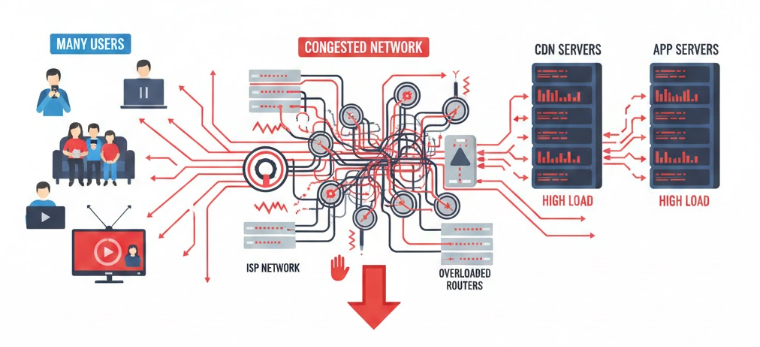
Why the Internet Is Slower During Peak Hours (And What Actually Happens Behind the Scenes) If you’ve ever tried watching YouTube at night, playing PUBG after dinner, or joining a Zoom class during college hours, you’ve probably noticed one thing — internet becomes slow. Webpages take time to load, videos buffer, payments lag, multiplayer games jitter, and everything feels frustrating. But why does this happen only at certain hours? And what’s actually happening behind the scenes? Let’s break it down in simple human language, without networking jargon. 🕒 What Are Peak Hours? Peak hours are the times when maximum users are online and consuming bandwidth. In most Indian households, peak hours look like: 8 PM – 11 PM (after dinner entertainment) 10 AM – 1 PM (online classes / WFH) 5 PM – 9 PM (gaming + streaming + video calls) During these hours, usage shoots up because:✔ Families are home✔ Students are online✔ Offices are running meetings✔ OTT streaming happens✔ Gaming servers are full In short:More users → Same bandwidth → Slower speeds But that’s just the surface. Real story is deeper. 🌐 Reason #1: Shared Bandwidth (You Don’t Have a Dedicated Pipe) Most home broadband connections use a shared infrastructure. Imagine society building has: 100 flats 1 water tank Everyone shares the same water line. If all 100 families fill buckets at the same time — water pressure drops. Internet works the same: More neighbors online → Less bandwidth per person This is especially true for: Fiber-to-building connections Cable broadband Wi-Fi hotspots Mobile networks (4G/5G) 🏢 Reason #2: ISP Congestion (Network Traffic Jam) Your ISP (Airtel, Jio, BSNL, Hathway) carries data through backbone networks. During peak hours: More streaming More video calls More downloads More cloud usage This creates something called congestion. Think of it as a traffic jam on a highway: Highway = ISP backbone Cars = data packets Traffic jam = high latency + slow speed Even if you have 200 Mbps connection, congestion slows you down. 🎥 Reason #3: Streaming Services Cause Massive Load OTT platforms like: YouTube Netflix Amazon Prime Hotstar JioCinema use huge bandwidth because they serve HD/4K content. One 1080p stream consumes around:✔ 3–6 Mbps continuously Imagine 10 million people streaming cricket at 8 PM — total bandwidth consumed is insane. This overloading makes network slower nationwide. 🗺️ Reason #4: Distance From Content Delivery Networks (CDN) Most websites and apps don’t serve content from one server — they use CDNs. CDN = Content Delivery NetworkIt stores videos/images/pages closer to users. But when CDNs are: Busy Overloaded Geographically far Under-provisioned Then data takes longer to reach. Example:During IPL or FIFA, even CDNs get hammered. 📶 Reason #5: Mobile Networks Have Limited Spectrum 4G/5G networks share radio spectrum. Spectrum = Highway lanes in wireless world. More people in: Colleges Offices Malls Apartments = More devices sharing same spectrum. This causes: High latency Packet loss Lower speeds That’s why mobile internet is slower in:✔ Public places✔ Apartments✔ Hostels✔ Metro cities Compared to villages where tower load is low. 💻 Reason #6: Wi-Fi Router Limitations at Home Sometimes issue isn’t ISP — it’s your router. Peak hours mean: More families online More devices connected Modern homes have: Phones Laptops Smart TVs Alexa Cameras Tablets Most cheap routers (especially ISP-provided ones) choke under load. Routers have limits in:✔ Processing power✔ Range✔ Channels✔ Antenna quality So speeds drop even if ISP is fine. 🏢 Reason #7: Server-Side Load (App Backend Overwhelmed) Sometimes internet feels slow but actual problem is app’s own servers. Examples during peak: UPI payments fail Zomato/Swiggy lag Big Billion Days crash Movie ticket bookings freeze Not your internet—backend server overload. So peak hours affect client + ISP + CDN + server layers together. 🧩 What Actually Happens Behind the Scenes (Technical Breakdown) During peak hours: More devices send requests DNS queries increase ISP routers queue packets CDNs cache more content TCP congestion control kicks in Packet loss increases Retries slow down speeds Streaming services lower resolution Apps show loading screens That's why:✔ YouTube drops from 1080p → 480p✔ Zoom lowers video quality✔ Games show ping spikes✔ Video calls freeze 🛠️ How ISPs Handle Peak-Time Load ISPs use techniques like:✔ Load balancing✔ Peering agreements✔ Traffic shaping✔ QoS (Quality of Service)✔ Cache servers✔ Fiber upgrades✔ BGP routing optimizations Big ISPs even deploy Netflix + YouTube cache servers inside India to reduce load. 📝 So Why Doesn’t ISP Increase Bandwidth? Because building more capacity costs: Fiber cables Bandwidth contracts Data center racks Power & cooling International transit fees Peak-time demand = expensive to handle. That’s why ISPs manage capacity instead of overbuilding for extreme peaks. 🧠 Final Conclusion Internet becomes slow during peak hours because: ✔ Too many users✔ Limited shared bandwidth✔ ISP congestion✔ CDN overload✔ Wireless spectrum limits✔ Router bottlenecks✔ App/server overload In short: “It’s not just your Wi-Fi — the entire internet ecosystem is busy.”
Tech Desk
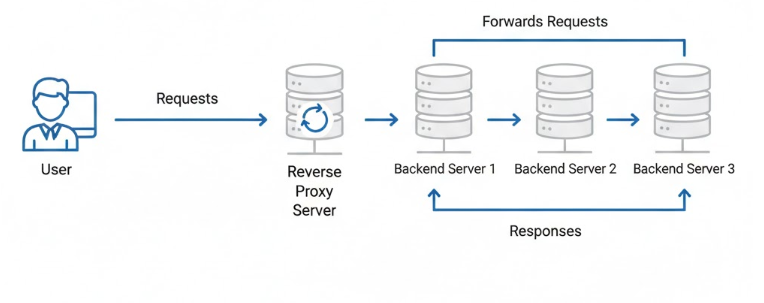
What Is a Reverse Proxy? Explained With Real Use Cases If you’ve ever used Nginx, Apache, Cloudflare, or AWS Load Balancer, you’ve indirectly used a reverse proxy, even if you didn’t know it. The problem is, most explanations make it sound complicated. So let’s break it down in simple terms, with relatable examples and modern use cases. 🧱 What Is a Reverse Proxy? (Simple Explanation) A reverse proxy is a server that sits between the internet and your backend servers. It works like a security guard at the gate: People come to the guard (reverse proxy) The guard talks to the internal departments (backend servers) The guard returns the response back to the visitor So users never talk directly to your backend servers. 🏠 Normal Request vs Reverse Proxy Request 🔹 Without Reverse Proxy (Direct):User → Backend Server 🔹 With Reverse Proxy:User → Reverse Proxy → Backend Server This extra layer provides control, speed, security, logging, caching, routing — everything. 👤 Forward Proxy vs Reverse Proxy (Simple Difference) Most beginners get confused between forward proxy and reverse proxy. Here’s the easiest explanation: ✔ Forward Proxy → Protects the client Example: VPN, corporate proxy ✔ Reverse Proxy → Protects the server Example: Nginx in front of backend So: 🛡 Forward Proxy = User privacy🛡 Reverse Proxy = Server protection 💡 Real-Life Analogy (Easy to Remember) Imagine a company office: Visitors are customers (internet users) Receptionist is the reverse proxy Employees in rooms are backend servers Customer never directly talks to employees — they talk to the receptionist. Similarly, users never directly connect to backend servers — they go through the reverse proxy. 🧰 Popular Reverse Proxy Tools (Used in 2026) Some widely used reverse proxies today: Nginx Apache HAProxy Envoy Traefik Cloudflare (edge reverse proxy) AWS ALB / ELB Kubernetes Ingress Controller If you're deploying modern apps, you’ll hit one of these for sure. 📦 What Does a Reverse Proxy Actually Do? Here are the major features: 1. Load Balancing Distributes traffic across multiple servers.Example: 10,000 users hit your website Reverse proxy splits load across 3 backend servers ✨ Result: No downtime during traffic spikes 2. Security & Protection Reverse proxy hides your internal servers. Benefits:✔ Real IP of servers not exposed✔ Attack surface reduced✔ DDoS protection possible✔ TLS termination at proxy This is why Cloudflare is used massively. 3. SSL/TLS Termination Reverse proxy can handle HTTPS encryption, so backend can run simple HTTP. Example: Nginx handles SSL Django/Laravel run HTTP internally Reduces backend CPU load. 4. Routing & API Gateway Reverse proxy routes requests to different apps based on path or domain. Example: /auth → auth-service /payments → payment-service /admin → admin-dashboard Perfect for microservices. 5. Caching Reverse proxy can store static responses to reduce backend load. Example: Images HTML pages CSS/JS API responses Cloudflare does page caching globally. 6. Compression & Optimization Compress files like CSS/JS/JSON using gzip or brotli to speed up delivery. 🌍 Real Use Cases (With Simple Examples) Now the fun part — where is reverse proxy actually used? 📌 Use Case 1: High Traffic Websites If Flipkart, Amazon, Zomato, Swiggy directly exposed backend servers, they would crash daily. Reverse proxy helps by:✔ load balancing✔ caching✔ routing✔ rate limiting 📌 Use Case 2: Microservices Routing Modern apps are not monoliths. Example routing: /users → user-service /orders → order-service /checkout → payment-service Reverse proxy = API gateway entry point. 📌 Use Case 3: Kubernetes Ingress In Kubernetes, Ingress Controller is basically a reverse proxy that: Routes traffic Applies SSL Handles domains Examples: Nginx, Traefik, HAProxy 📌 Use Case 4: Cloudflare Edge Proxy Cloudflare sits between user and backend. Benefits:✔ DDoS protection✔ Caching✔ SSL✔ Firewall Millions of websites use it now. 📌 Use Case 5: Hiding Private Services Banks, fintech, healthcare apps hide backend servers to prevent attacks. Reverse proxy prevents:❌ Direct database exposure❌ Direct API exposure❌ IP leaks 🧪 Quick Example (How Nginx Reverse Proxy Works) User requests: https://example.com/api Nginx config sends it to: http://127.0.0.1:5000 User never knows Flask is running inside. 🧩 Why Reverse Proxy Matters in 2026 Modern stack consists of: Containers Microservices Kubernetes Cloud infra CI/CD Zero Trust architectures Reverse proxy is a critical entry point in all these. Without it, web apps would be:❌ Slower❌ Less secure❌ Hard to scale 📝 Conclusion A reverse proxy is a smart middle layer that:✔ Protects servers✔ Speeds up websites✔ Handles load✔ Manages SSL✔ Routes microservices If you're learning backend, DevOps, or cloud in 2026, understanding reverse proxies is mandatory — not optional.
Tech Desk
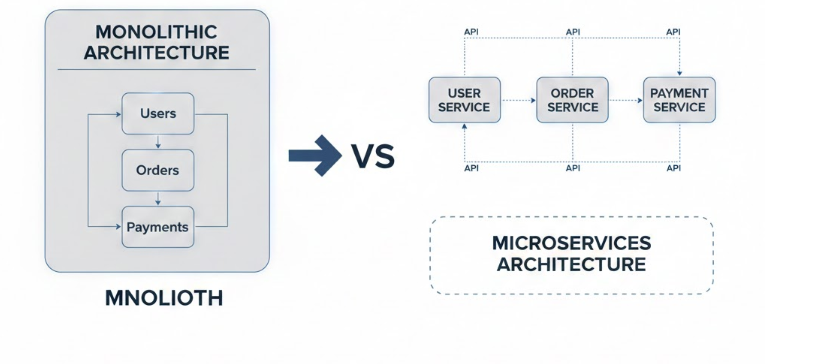
Monolithic vs Microservices Architecture: What’s Better in 2026? When people talk about modern backend development, one comparison always comes up: Monolithic vs Microservices. If you’re building an app in 2026—whether it’s an e-commerce store, a SaaS platform, or a mobile app—you'll eventually need to decide which architecture to use. And that decision affects everything: build time, scaling, hiring, hosting, bugs, deployment, and cost. So let’s break things down in a simple, real-world way, without complicated jargon. 🧱 What is a Monolithic Architecture? (Simple Explanation) A monolithic app is like one big building where everything happens inside a single structure. Imagine a restaurant: Kitchen inside Billing inside Delivery inside Storage inside Everything is in one place. In software, a monolith means:✔ Single codebase✔ Single database✔ Single deployment Example stack: Django + PostgreSQL deployed as one app Laravel + MySQL in one server Spring Boot + Oracle in one war file Pros of Monolithic 👍 Simple to develop (at the beginning)👍 Easy to debug locally👍 Single deployment = less DevOps complexity👍 Great for small teams & MVPs Cons of Monolithic 👎 Scaling becomes hard as app grows👎 If one part breaks, whole app suffers👎 Slower development for large teams👎 Tech stack lock-in (hard to mix languages) 🕸️ What Are Microservices? (Simple Explanation) Microservices are like a shopping mall:Every shop works independently—billing, food, clothes, etc. In microservices:✔ The app is broken into independent services✔ Each service has its own codebase✔ Each service can have its own database✔ Each service is deployed and scaled separately Example: User Service Order Service Payment Service Notification Service Even technology can differ: Payment service → Go Notification service → Node.js User service → Python Pros of Microservices 👍 Scale only what’s needed (ex: only payment during sale)👍 Team independence (Backend teams don’t step on each other)👍 Tech flexibility (Use the right language for the job)👍 Fault isolation (If email breaks, checkout still works)👍 Faster deployments with CI/CD Cons of Microservices 👎 Complex DevOps (Docker + Kubernetes + API gateways)👎 More network communication = more failure points👎 Monitoring & debugging become harder👎 Costs increase (infra + networking + logging) 🏢 Real Life Examples (Easy to Understand) 👉 Monolithic ExampleA small bakery with: One shop One chef One counter Easy for small scale. 👉 Microservices ExampleSwiggy / Amazon Ordering Payment Delivery tracking Restaurant menuAll independent systems talking through APIs. 🚀 Which One Is Better in 2026? (Honest Answer) There is no universal “best”—it depends on your phase. Let’s break down by use-case. 🧩 Best for Startups & Small Teams If you’re building:✔ MVP✔ Small e-commerce✔ SaaS prototype✔ Client project Then Monolithic wins, because: Faster to build Cheaper hosting Easier to maintain Less DevOps headache Example setup in 2026: Django + Postgres on Render Laravel + MySQL on Hostinger Node.js + Mongo on Railway Ship fast → get users → validate ideaThen think scaling. 🏗️ Best for Large Enterprise Systems If you’re building:✔ High-traffic marketplace✔ Banking/fintech✔ Ride-hailing✔ Streaming platforms✔ Multi-team software Then Microservices make sense, because: Independent scaling saves money long-term Teams build faster without conflicts Services remain isolated & resilient This is why: Netflix Uber Amazon Paytm Zomato …all run microservices at scale. 💸 Cost Comparison (Practical View) Criteria Monolithic Microservices Dev Cost Low High Infra Cost Low High (more servers) Scaling Hard Efficient Debugging Easy Hard Deployment Simple Complex Teams Small Large In 2026, microservices also require: Docker Kubernetes CI/CD Observability tools API gateways Service mesh So don’t choose microservices just because “cool companies do it”. They pay millions for infra. 🧠 Common Mistake Developers Make They jump to microservices too early, and end up spending time on:❌ Kubernetes setup❌ CI/CD❌ Service communication❌ Distributed tracing…instead of building the actual product. If your app doesn’t have traffic yet, microservices is a headache, not an upgrade. 🧩 Migration Strategy (2026 Approach) Best strategy in modern engineering: Start Monolithic → Modular → Microservices Step-by-step: Build monolith initially Create modular boundaries inside code Extract heavy modules as services later This is how real companies do it—not overnight. 📝 Final Verdict ✔ Monolithic is better if: Small team Limited budget MVP stage Low traffic Fast development priority ✔ Microservices is better if: Many teams High traffic Complex domain Need granular scaling Enterprise environment No architecture is “better”, only better suited.
Tech Desk

“Why Do Good People Suffer While the Wrong Ones Win?” It’s one of the oldest questions humans have asked. If honesty, kindness, compassion and loyalty are good traits…then why do we see honest people struggling with money, heartbreak, rejection or betrayal—while the selfish, the manipulative and the dishonest seem to get ahead? At some point, almost all of us have looked up and asked:“Seriously, what is this logic?” But before jumping to conclusions, let’s look at this question from different angles—not just spiritual, but psychological, societal and practical. 🎭 1. Life Does Not Reward Goodness — It Rewards Consequences Being “good” is about character.Being “successful” is about strategy + timing + consequence. Goodness doesn’t automatically produce wealth or status.For example: A kind teacher may earn less than a corrupt politician. A hardworking nurse may earn less than a manipulative influencer. An honest employee may lose promotions to someone who plays dirty politics. This doesn’t mean goodness is useless.It just means goodness is not a currency for success in society’s system. Society rewards:✓ Demand✓ Skills✓ Leverage✓ Influence✓ Strategy✓ Networks✓ Timing Goodness may enhance these but cannot replace them. 🌱 2. Suffering Builds Internal Strength (Which Comfort Never Can) Good people often go through more emotional and moral complexity: They care more They feel more They take responsibility They avoid shortcuts They don’t cheat others This naturally makes life heavier—but also makes them mentally deeper and emotionally stronger. Comfort rarely builds strength.Adversity does. People who face pain early develop: ✓ Empathy✓ Patience✓ Resilience✓ Awareness✓ Character These are the traits that are rare in the “winners” of society. 🐍 3. Why Do Wrong People Win (At Least in the Short-Term)? Because manipulation is fast.Integrity is slow. Shortcuts work temporarily. A corrupt businessman may earn fast.A liar may get instant advantages.A cheater may impress people quickly. But short-term wins often lead to: Fear of getting exposed Broken trust Zero genuine relationships Mental stress Constant insecurity There’s a saying:“Not everything that grows fast survives long.” Mushrooms grow overnight.Trees take decades. Which one lasts longer? ⏳ 4. Timing and Justice Are Not Instant We love instant justice because movies taught us that. But real life doesn’t operate on movie timing. There are delayed consequences: The dishonest lose reputation later. The cruel lose relationships later. The selfish feel lonely later. The corrupt face downfall later. The cheater loses respect later. Life doesn’t forget.Life just waits. 🧠 5. Good People Suffer Because They See Too Clearly Most “good” people are: Sensitive Self-aware Responsible Honest Conscientious This means they notice pain more deeply than others. A selfish person hurts others and sleeps fine.A good person hurts someone unintentionally and feels guilty for days. Sensitivity is a gift — but it comes with heavy weight. 🌤 6. Being Good Does Not Mean Being Weak Many good people confuse kindness with self-sacrifice. They allow: Toxic relationships Extra workload Emotional manipulation Guilt pressure People pleasing This leads to suffering not because they are good,but because they have no boundaries. Goodness needs spine, not just heart. A good person with boundaries is unstoppable. 🔍 7. So… Why Does Life Work This Way? Because life prioritizes growth, not comfort. Life shapes good people through: struggle → resilience heartbreak → wisdom losses → detachment failure → humility waiting → patience pain → understanding The wrong people get comfort early,and lessons late. Good people get lessons early,and strength forever. 🌿 8. The Slow Victory of Good People If you observe long-term: People trust honest people. People follow sincere leaders. People remember the kind ones. People open up to those who listen. People choose loyalty over charm at the end. Wrong people may win quickly,but good people win quietly. 🌟 Final Thought The question was:“Why do good people suffer while the wrong ones win?” The deeper answer is: Wrong people win quickly, not deeply. Good people suffer deeply, but rise strongly. Life shapes souls, not just careers. Justice exists, but it’s not always scheduled for today. In the end, winning is not about applause, money or fame —it’s about dignity, peace, respect and meaningful relationships. And that’s where good people don’t just win —they win big.
Mahakal Ki Diwani

जब जीवन अपने सबसे मुश्किल दौर में होता है —जब हम टूट रहे होते हैं, आँसू रुक नहीं रहे होते,सपने बिखर रहे होते हैं, लोग साथ छोड़ रहे होते हैं —तब सबसे बड़ा सवाल मन में उठता है: “भगवान चुप क्यों हैं?” हम प्रार्थना करते हैं, रोते हैं, समझाने की कोशिश करते हैं,लेकिन जवाब नहीं आता।दर्द वहीं का वहीं रहता है। ऐसा लगता है जैसे भगवान दूर चले गए हों।या फिर शायद वो हमारी सुन ही नहीं रहे। लेकिन सच में क्या ऐसा होता है?आइए धीरे-धीरे समझते हैं… 🌙 1. भगवान की चुप्पी अनुपस्थिति नहीं है हमारे लिए चुप्पी का मतलब होता है —कोई सामने नहीं है, कोई सुन नहीं रहा। लेकिन आध्यात्मिक तौर पर चुप्पी का मतलब अलग होता है। भगवान चुप हो सकते हैं,लेकिन वो अनुपस्थित नहीं होते। जैसे एक पिता अपने बच्चे को साइकिल चलाना सिखाते समयपीछे से पकड़कर चुपचाप चलता है —बिना कुछ बोले। बच्चा समझता है वह अकेला है,पर उसका पिता पीछे ही होता है। भगवान की चुप्पी भी अक्सर ऐसी ही होती है —मौन, लेकिन मौजूद। 🌧️ 2. कठिन समय में चुप्पी क्यों मिलती है? (A) क्योंकि हमारा सीखना चुप्पी में होता है आसान समय में हम ज्यादा सीखते नहीं,क्योंकि सब smooth होता है। लेकिन कठिन समय में: ✔ गलतियाँ दिखती हैं✔ सच्चाई दिखती है✔ लोग दिखते हैं✔ खुद की औक़ात दिखती है✔ हमारी काबिलियत दिखती है हमारे character की growthहमेशा tough seasons में होती है —और growth noise में नहीं, चुप्पी में होती है। (B) क्योंकि दर्द हमें परिपक्व बनाता है कोई भी ऐसे व्यक्ति को पसंद नहीं करताजिसने जिंदगी में कभी संघर्ष ना देखा हो। दर्द हमें सिखाता है: ✔ धैर्य✔ विनम्रता✔ दया✔ समझ✔ कृतज्ञता✔ और सबसे बड़ा — विश्वास दर्द character को तोड़ता नहीं,उसे गहरा बनाता है। (C) क्योंकि भगवान जवाब देते हैं — पर तुरंत नहीं हम जवाब अब चाहते हैं।भगवान जवाब समय पर देते हैं। हमारी घड़ी छोटी है —उनकी घड़ी अनंत है। कई बार उनका “ना जवाब देना” भी एक जवाब होता है। 🧱 3. हमारी प्रार्थना क्यों अनसुनी लगती है? बहुत बार हम प्रार्थना करते हैं: “भगवान, यह समस्या खत्म कर दो!”“भगवान, यह इंसान वापस दे दो!”“भगवान, यह सपना पूरा कर दो!” लेकिन भगवान चुप रहते हैं।हम सोचते हैं कि वो सुन नहीं रहे। सच यह है कि: भगवान समस्या नहीं हटाते — वो हमें उससे गुजरना सिखाते हैं। वह हमें मजबूत बनाते हैं,ताकि भविष्य की बड़ी चुनौतियाँ हम संभाल सकें। 🌲 4. चुप्पी faith की परीक्षा नहीं — faith की गहराई है बहुत लोग कहते हैं कि भगवान परीक्षा ले रहे हैं।लेकिन मुझे लगता है —यह परीक्षा कम और गहराई ज्यादा है। आसान समय में भगवान पर भरोसा करना आसान है।लेकिन कठिन समय में भरोसा करना —यही असली विश्वास है। भगवान की चुप्पी हमें ये सिखाती है: ✔ क्या हम सिर्फ सुविधाओं में विश्वास करते हैं?या कठिनाइयों में भी? 🧩 5. सबसे जरूरी सच — जवाब बाद में समझ आते हैं जब हम दर्द में होते हैं,हम सिर्फ यही पूछते हैं: “क्यों?” लेकिन समय बीतने के बादउसी दर्द से निकलकर हम पीछे देखते हैं और कहते हैं: “अब समझ आया।अगर यह नहीं होता, मैं यह नहीं सीखता।”“अगर यह नहीं खोता, मैं यह नहीं पाता।”“अगर वो नहीं गया, मैं खुद नहीं बन पाता।” भगवान की चुप्पी अक्सर बाद में समझ आती है। 🌤️ 6. कभी-कभी समाधान चुप्पी में ही आता है हम हमेशा जोर-जोर से जवाब ढूंढते हैं।लेकिन जवाब शांति में मिलता है। जब मन शांत होता है —confusion टूटता है, clarity आती है। भगवान का तरीका शोर नहीं,शांति है। 🌙 7. Conclusion भगवान मुश्किल वक्त में चुप रहते हैं क्योंकि: ✔ हम तैयार हो रहे होते हैं✔ हम सीख रहे होते हैं✔ हमारी जड़ें बढ़ रही होती हैं✔ हमारा character बन रहा होता है✔ हमारा विश्वास गहरा हो रहा होता है चुप्पी absence नहीं,preparation है। चुप्पी rejection नहीं,direction है। चुप्पी punishment नहीं,protection है। अगर आज भगवान चुप हैं,तो मत समझना कि तुम अकेले हो। वो कहीं नहीं गए —बस तुम्हें चलना सिखा रहे हैं।
Mahakal Ki Diwani

हम अक्सर फिल्मों, सोशल मीडिया और success stories में देखते हैं कि लोग रातों-रात बदल जाते हैं। अचानक से fit हो जाते हैं, अमीर हो जाते हैं, viral हो जाते हैं, dream job पा लेते हैं — और हमें लगता है कि बस एक बड़ा moment आता है और ज़िंदगी बदल जाती है। लेकिन असल ज़िंदगी ऐसे नहीं चलती। वास्तविक ज़िंदगी में जीत धीरे-धीरे आती है। इतनी धीरे कि कभी-कभी हमें खुद को भी यकीन नहीं होता कि हम आगे बढ़ रहे हैं। सच यह है कि दुनिया में ज्यादातर लोग ordinary होते हैं। उनके पास extra-talented skills नहीं होते, बड़े घर नहीं होते, extraordinary connections नहीं होते। फिर भी वही ordinary लोग जीतते हैं — लेकिन एक कला से — हार ना मानने की कला। 🌱 1. “धीरे जीतने” की मानसिकता समझना जरूरी है धीरे जीतने का मतलब यह नहीं कि आप कमजोर हैं, lazy हैं या बेकार हैं। इसका सरल मतलब है: आप अनिश्चितता, संघर्ष और वक्त को सह रहे हैं — और फिर भी चल रहे हैं। आज की generation instant results की आदी हो चुकी है: Instant food Instant messages Instant entertainment Instant likes Instant followers लेकिन instant success किसी के पास नहीं है। ना किसी के पास थी, ना होगी। 🧩 2. Ordinary लोग कैसे जीतते हैं? ✔ (A) वे काम करना बंद नहीं करते उनका secret यह नहीं होता कि वे fastest हैं, बल्कि यह कि वे रुकते नहीं। भले ही दिन छोटा हो, mood बिगड़ा हो, time कम हो — वे थोड़ा सा काम फिर भी कर लेते हैं। ✔ (B) वे तुलना में कम और काम में ज्यादा लगे रहते हैं Comparison इंसान का confidence खा जाता है। Ordinary लोग तुलना के चक्कर में नहीं पड़ते। वे देखते हैं कि कल से बेहतर आज क्या कर सकते हैं। ✔ (C) वे छोटे-छोटे improvements को celebrate करते हैं 1 page पढ़ना, 10 push-up करना, 100 रुपये बचाना, ये सब छोटी चीजें लगती हैं — लेकिन यही छोटी चीजें लंबे समय में पहाड़ खड़ा करती हैं। 🧠 3. हार मान लेना आसान क्यों है? क्योंकि हार मानने में instant relief मिलता है। Instant comfort मिल जाता है। लेकिन जीत हमेशा delayed reward देती है। इसलिए बहुत लोग जीत के पहले वाले zone में ही वापस मुड़ जाते हैं। ज़िंदगी में ज़्यादातर लोग इसलिए नहीं हारते कि वे कमजोर हैं, बल्कि इसलिए हारते हैं कि वे जल्दी हार मान लेते हैं। ⏳ 4. Slowness is Not Failure — It’s Preparation दुनिया में कोई भी बड़ा पेड़ रातों-रात नहीं बनता। बीज पहले अंधेरे में मिट्टी के नीचे रहता है। वह बाहर से “कुछ नहीं हो रहा” जैसा दिखता है, लेकिन अंदर से उसकी जड़ें मजबूत हो रही होती हैं। हमारी ज़िंदगी भी वही है। लोग सोचते हैं उन्हें कभी मौका नहीं मिला, जबकि सच यह है कि मौका आने से पहले वे जड़ों की तैयारी में लगे थे। 🔥 5. The Real Art: Consistency Without Loudness आजकल loud लोग सामने दिखते हैं, लेकिन silent लोग आगे निकलते हैं। Silent लोग हर दिन काम करते हैं — बिना social media पर announce किए, बिना दूसरों से validation मांगे, बिना show-off किए। उनका काम बोलता है — उनकी बात नहीं। 💡 6. Ordinary लोगों की जीत extraordinary क्यों लगती है? क्योंकि जब वे सफलता पाते हैं, दुनिया को सिर्फ outcome दिखता है — journey नहीं। दुनिया को दिखता है: ✔ medal ✔ promotion ✔ transformation ✔ recognition लेकिन दुनिया नहीं देखती: ❌ असफलताएँ ❌ rejection ❌ डर ❌ frustration ❌ waiting ❌ patience ❌ गलतियाँ इसलिए हमें लगता है success अचानक आई, जबकि सच यह है — success धीरे-धीरे पकती है। 🎯 7. अगर आप ordinary हो — तो ये नियम याद रखना ✔ Rule 1: Slow progress भी progress है एक इंच आगे बढ़ना — पीछे हटने से बेहतर है। ✔ Rule 2: Stop proving, start improving साबित करने की कोशिश छोड़ो — सुधार पर ध्यान दो। ✔ Rule 3: You don’t need to be lightning fast आपको बस रुकना नहीं है। 🌤️ Conclusion The art of not giving up सरल है — लेकिन आसान नहीं। इसमें चाहिए: ✔ धैर्य ✔ consistency ✔ विश्वास ✔ समय ✔ repeat करने की क्षमता Ordinary लोग जीतते हैं क्योंकि वे: smart होने का नाटक नहीं करते, shortcut नहीं ढूँढते, दूसरों को blame नहीं करते, और सबसे ज़रूरी — वे कभी रुकते नहीं। धीरे जीतना भी जीत है — और शायद सबसे अच्छी जीत वही है जो धीरे मिलती है, क्योंकि वही टिकती है।
Motivational Boss

क्या कभी अचानक लगता है कि ज़िंदगी एक धुंध की तरह हो गई है?सब कुछ चल रहा है — दिन गुजर रहे हैं, लोग आगे बढ़ रहे हैं, सोशल मीडिया पर सबकी लाइफ़ चमक रही है —लेकिन आप खुद को किसी अंजान जगह पर खड़ा हुआ महसूस करते हैं।ना पूरी तरह खुश, ना पूरी तरह दुखी — बस खोया हुआ। अगर हाँ — तो यह लेख आपके लिए है।और सबसे पहले बात यह — आप अकेले नहीं हैं।हम में से अधिकतर लोग कभी ना कभी इस दौर से गुजरते हैं —खासकर अपने 20s और early 30s में। 🌧️ 1) खोया हुआ महसूस करना कमजोरी नहीं, इशारा है ज़िंदगी जब रोडमैप के बिना लगती है, हम अक्सर सोचते हैं: “मेरे साथ ही क्यों?”“मैं ही क्यों समझ नहीं पा रहा ये सब?”“बाकी सबको कैसे पता है क्या करना है?” सच तो यह है —जिन लोगों को लगता है कि उन्हें सब पता है, उन्हें बस सवाल पूछने की आदत नहीं होती। खोया हुआ महसूस करना इस बात का संकेत है किआपकी अंदरूनी दुनिया सवाल कर रही है: ✔ “मैं कौन हूँ?”✔ “मुझे क्या पसंद है?”✔ “मैं किस दिशा में जाना चाहता हूँ?” ये सवाल अंदर से उठते हैं जब ज़िंदगी कॉपी-पेस्ट मोड में चल रही हो। 🌱 2) खोया हुआ महसूस होना — Growth Start होने का संकेत बहुत लोग सोचते हैं कि यह confusion है,लेकिन असल में यह transition है। जब पुरानी सोच टूटती है और नई बन रही होती है —तो बीच का space खाली लगता है, और वही empty space “lost” जैसा महसूस होता है। Examples: जब स्कूल खत्म होता है और career choose करना होता है जब job मिल जाती है लेकिन purpose नहीं मिलता जब relationship 끝 हो जाती है और identity नई बननी होती है ये सब painful होते हैं, पर growth इसी दर्द से निकलती है। 🔍 3) हमें खोया हुआ क्यों लगता है? (Real Reasons) Reason 1: Comparison का ज़हर Social media ने सबसे बड़ा भ्रम पैदा किया है किबाकी सब “sorted” हैं — बस आप नहीं।लेकिन यह सिर्फ illusion है। Reason 2: External आवाज़ों का दबाव ज़िंदगी में बहुत लोग बोलते हैं:“ये करो”, “वो मत करो”, “ये safe है”, “ये risky है”और धीरे-धीरे अपनी आवाज़ खो जाती है। Reason 3: खुद को ना जानना Career चुनने से पहले हम skills नहीं जानते,relationship शुरू करने से पहले हम खुद को नहीं जानते —फिर lost महसूस होना normal है। 🧘‍♂️ 4) इससे निकलने का रास्ता (बहुत ही Real Way) (A) खुद से पूछो — “मैं क्या चाहता हूँ?” मतलब यह नहीं कि तुरंत answer मिल जाए।पहले यह समझो कि आप क्या नहीं चाहते। “नहीं” जानना, “हाँ” के आधे रास्ते तक ले जाता है। (B) छोटे कदम लेने शुरू करो Lost लोग बड़ी-बड़ी चीज़ों के बारे में सोचकर panic में आ जाते हैं।लेकिन ज़िंदगी में clarity action से आती है, overthinking से नहीं। एक छोटा step — direction बदल देता है। (C) Feelings को दबाओ मत बहुत लोग tough बनने के चक्कर में महसूस करना छोड़ देते हैं।लेकिन clarity emotion को समझने से आती है। (D) अकेले रहना सीखो Alone ≠ Lonelyअकेलापन दर्द है, अकेला रहना शक्ति है। अकेले रहने से: ✔ दिमाग शांत होता है✔ decision साफ होते हैं✔ identity मजबूत होती है 🧩 5) एक सच — किसी को सब कुछ पता नहीं होता Adults भी बस अपनी-अपनी लाइफ़ को संभालने की कोशिश कर रहे हैं।किसी के पास सारे जवाब नहीं होते।ज़िंदगी कोई exam नहीं है जहाँ solution booklet मिले। हम सब बस सीख रहे हैं — रोज़। 🌤️ 6) Conclusion अगर आप खुद को खोया हुआ महसूस करते हैं तो: ✔ आप टूटे हुए नहीं हैं✔ आप late नहीं हैं✔ आप weak नहीं हैं आप बस ज़िंदगी के एक ऐसे मोड़ पर हैं जहाँ नए सवाल पुराने जवाबों से लड़ रहे हैं। और यही मोड़ इंसान को mature बनाता है। Clarity आएगी — पर पहले confusion आती है। Clarity आएगी — पर action से, comparisons से नहीं।Clarity आएगी — पर जब आप खुद को सुनना शुरू करोगे। Lost महसूस होना end नहीं, यह beginning है।
Motivational Boss

🧠 How to Build Mental Strength Without Becoming Cold or Emotionless Most people misunderstand mental strength.They think being mentally strong means: ❌ not crying❌ not showing emotions❌ not asking for help❌ not caring what others say But this is not mental strength — this is emotional shutdown. True mental strength is very different.It’s about remaining soft from the heart, but strong from the mind. Let’s break it down in a simple and real way 👇 ✨ 1. Mental Strength Is Not About Ignoring Pain Mentally strong people also feel hurt.They also get betrayed, disappointed, scared and anxious. The difference is: They don't run away from pain — they face it. Ignoring pain makes you cold.Understanding pain makes you strong. ✨ 2. Expressing Emotion is a Sign of Balance, Not Weakness Crying, venting, or talking about your problems doesn’t make you weak.It makes you human. Emotionless behavior is usually a defense mechanism —a way to hide vulnerability. True strength is: ✔ being hurt and still choosing to love✔ being scared and still trying again✔ being tired and still showing up That’s strength. ✨ 3. Learn to Respond, Not React Mentally weak people react instantly.Mentally strong people pause first. Reaction comes from emotion.Response comes from clarity. Next time something triggers you, try this: Pause → Breathe → Think → Then speak This 5-second gap can save relationships, careers, and peace of mind. ✨ 4. Set Boundaries Without Becoming Rude Strong people do not become rude or harsh.They simply know where to stop. Boundaries are not walls.Boundaries are filters. They protect your energy. Examples of healthy boundaries: ✔ “I am not available right now.”✔ “I can’t do this today.”✔ “I need time to myself.”✔ “Please don’t talk to me like that.” This is strength without coldness. ✨ 5. Take Responsibility Without Blaming Yourself Weak people blame others or blame themselves endlessly. Mentally strong people say: “This happened.What can I learn from it?What can I do next?” This mindset keeps you grounded — not bitter. ✨ 6. Keep Your Heart Soft & Mind Sharp Don’t let the world harden you. Being heartless is not strength —it is fear disguised as toughness. Being soft from the heart means you can: ✔ empathize✔ forgive✔ feel joy deeply✔ love sincerely✔ connect honestly Being sharp from the mind means you can: ✔ make decisions wisely✔ protect your energy✔ spot red flags earlier✔ walk away when needed This balance makes you unstoppable. ✨ 7. Practice Emotional Awareness (Not Suppression) Ask yourself daily: “What am I feeling?” “Why am I feeling this?” “What do I need right now?” When you understand your emotions,they stop controlling you. ✨ 8. Know When to Seek Help Strong people seek help when needed. It takes courage to say: “I don’t know, teach me.”“I’m struggling, help me.” Mentally weak people hide behind pride. ✨ 9. Don’t Take Everything Personally Everyone is fighting their own battles.Sometimes people are rude because of their pain, not yours. Mental strength is not becoming emotionless —it’s understanding things without letting them weaken you. 🧩 Conclusion Building mental strength is not about shutting down emotions or pretending to be okay. It’s about: ✔ Feeling deeply✔ Understanding clearly✔ Responding maturely✔ Protecting your peace✔ Loving without fear✔ Walking away with dignity A strong mind with a soft heart is the real superpower in today’s world.
Motivational Boss
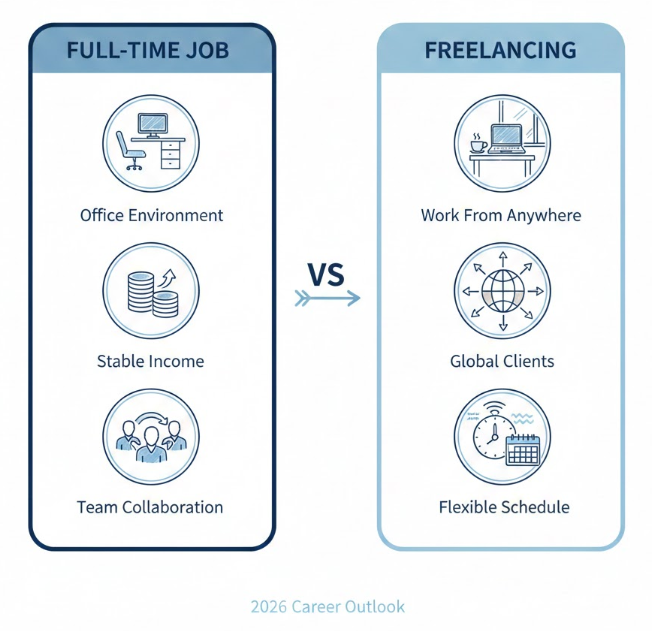
💼 Freelancing vs Full-Time Job — Which Makes More Sense in 2026? In 2026, career choices are not as simple as they used to be.Earlier, people had a clear path: Study → Job → Promotion → Retirement But after the pandemic, remote work, AI tools, and skill-based hiring, things changed fast.Now most people ask: “Should I do freelancing or stick to a full-time job?” Is freelancing really freedom?Are jobs really safe?Or is truth somewhere in the middle? Let’s break it down practically, not emotionally. 🏢 1) What a Full-Time Job Offers (Reality Check) Full-time jobs are stable and structured. In India and globally, companies hire for long-term. ✔ Benefits of Full-Time Jobs 🔸 Fixed monthly salary 🔸 Company benefits (PF, insurance, paid leave) 🔸 Stable income to plan life 🔸 Structured growth & clear roles 🔸 Team environment for learning 🔸 Less mental unpredictability For a normal middle-class person, salary ka fix date ek big advantage hota hai.Loans, EMIs, rent — sab planning ke sath hota hai. ❌ Downsides of Full-Time Jobs ❗ Limited income (salary cap hota hai) ❗ Office politics / micromanagement ❗ Slow promotions ❗ No time freedom (9–6 daily) ❗ Location dependency (not 100% remote) 2026 me many jobs hybrid ho gaye hain, but still complete freedom nahi milta. 🎯 2) What Freelancing Offers (2026 Upgrade) Freelancing grew massively after 2020 due to:✔ Remote work✔ Global clients✔ Skill-based projects ✔ Benefits of Freelancing 💸 Income cap nahi (earn based on skills) 🌍 Work from anywhere 🕒 Choose your time 🚀 Multiple clients 📚 Faster skill growth 🔐 No boss / no politics Freelancing especially pays well for: Web dev App dev UI/UX SEO Digital marketing Video editing Content writing AI tools & automation ❌ Downsides of Freelancing ❗ No fixed salary ❗ Client hunting + negotiations ❗ Payment delays ❗ Self-discipline required ❗ No free holidays ❗ No job benefits (PF, insurance) Freelancing gives freedom + money but also stress + uncertainty. 📊 3) Income Growth Comparison (2026 Reality) Let’s compare average Indian growth (rough estimate): Full-Time Job 1st Year: ₹20k – ₹50k/month After 3–5 years: ₹60k – ₹120k/month Income depends on promotions Freelancing 1st 6 months: ₹0 – ₹50k (learning + clients) After 1 year: ₹60k – ₹1.5L/month After 3 years: ₹2L – ₹6L/month (global clients) Conclusion:Freelancing can scale faster, but starting phase tough hota hai. 🎯 4) Work-Life Balance Comparison Category Full-Time Job Freelancing Freedom ❌ Low ✔ High Stability ✔ High ❌ Low Stress Moderate High (early stage) Growth Slow but steady Fast if skillful Income Control Low High Time Fixed schedule Flexible Location Often office Anywhere 🌍 5) Which Makes More Sense in 2026? Answer depends on your personality & situation. ✔ Choose Full-Time Job If: You need stable income You support family financially You don’t want client management You prefer structure & teamwork ✔ Choose Freelancing If: You have strong skills You want freedom You don’t fear instability You can self-manage You want higher income potential 🧩 6) The Best Formula in 2026 Sabse smart log combination model follow kar rahe hain: Full-time job + Part-time freelancing Isse: Salary se stability Freelance se extra income Future me full freelance option open This model is practical + safe + scalable. 🧠 Conclusion Neither freelancing nor a job is perfect. Job = Stability & structure Freelancing = Freedom & earnings 2026 me real winning formula hai: Learn high-value skills → Start freelancing small → Maintain job → Scale later Career now is not about choosing one path,it’s about creating options.
Tech Desk

🧠 What Skills Will Matter the Most in 2026 and Beyond? (Real Future Guide) The world in 2026 is not just moving fast—it’s moving in unpredictable directions. AI is automating tasks, companies are hiring globally, attention spans are shrinking, and “safe careers” are disappearing.In this environment, skills are the new currency. The people who grow, adapt, and learn continuously will survive—not because they are the smartest, but because they are willing to evolve. So the biggest question is:👉 Which skills actually matter now and will still matter after 2026?Here’s the real answer, based on global hiring trends, remote work patterns, AI adoption, and business needs—explained in simple English. 1️⃣ Critical Thinking & Problem Solving (Super Skill) AI can produce answers, but AI cannot decide what problem actually matters—that’s a human skill. Companies need people who can:✔ Understand root causes✔ Evaluate data instead of guessing✔ Take logical decisions✔ Avoid emotional decision making This applies everywhere: coding, business, health, marketing, finance, and startups. Reality Check:People who know how to think will replace people who know what to think. 2️⃣ Communication & Storytelling (Remote World Skill) In 2026, half the global jobs that pay well are remote or semi-remote, which means: ➡ You don’t need to be in the same country➡ You need to be able to explain clearly Good communication is not English grammar—it’s: ✔ Explaining ideas simply✔ Writing clear emails & docs✔ Talking to clients confidently✔ Presenting solutions without confusion Soft truth:There are lakhs of skilled people who never grow because nobody understands them. 3️⃣ Digital & AI Literacy (Non-technical people also need this) AI is not just for engineers.In 2026, every job uses AI tools in some way. Examples: 📊 Marketing → uses AI for analytics🎨 Designers → use AI for creative assistance✍ Writers → use AI for research & drafts👩‍💻 Developers → use AI for debugging & documentation📁 Businesses → use automation for customer tasks You don’t need to build AI, but you need to use it. 4️⃣ Data Understanding (Not Data Science, Data Sense) You don’t need to become a data scientist.But you must understand: ✔ What the numbers mean✔ What story the data is telling✔ Which metric matters✔ Which decision is correct Because companies in 2026 don’t guess — they measure. Examples: YouTube creators check retention & click-through rates Businesses track customer acquisition cost Apps track daily active users If you understand data → you become valuable. 5️⃣ Tech Amplifier Skills (High Salary Growth Skills) These skills “boost” any career: ✔ API understanding✔ Cloud basics (AWS / GCP)✔ Automation tools (Zapier / Make / RPA)✔ Low-code tools (Notion / Retool / Bubble)✔ Cybersecurity basics✔ Database basics Even non-engineers benefit from these, because they: ➡ Reduce manual work➡ Increase productivity➡ Impress employers➡ Save company money Productivity = Salary. 6️⃣ Adaptability & Learning Speed The world is not rewarding degrees, it is rewarding upgradeable humans.Skills expire faster today. In 1990: a skill lasted 15 yearsIn 2010: a skill lasted 5 yearsIn 2026: some skills last 6–18 months Examples: frameworks, tools, marketing strategies, design trends. The future belongs to people who can say: “I don’t know this… but give me a week.” 7️⃣ Entrepreneurship & Resourcefulness (Not Startup, Mindset) Entrepreneurship in 2026 doesn’t mean building unicorns.It means: ✔ Taking responsibility✔ Identifying opportunities✔ Managing time & resources✔ Turning ideas into results Companies hire people who think like owners.Not people who wait for instructions. So… Which Skills Actually Pay in 2026? These skills turn into money faster than degrees: 💰 Communication → clients trust you💰 Digital Literacy → work smarter💰 Data Sense → smarter decisions💰 AI Productivity → faster output💰 Entrepreneurial mindset → better career growth This is why people with medium intelligence + high adaptability outperform people with high intelligence + low adaptability. What Should You Learn First? If you're just starting, learn in this order: Step 1: English + CommunicationStep 2: Digital & AI ToolsStep 3: Data BasicsStep 4: Domain Skill (coding, marketing, design, etc.)Step 5: Soft Skills (writing, presenting, networking) This combination makes you unstoppable. Final Truth In 2026 and beyond, careers won’t be decided by: ❌ college❌ degrees❌ luck❌ family income They’ll be decided by: ✔ adaptability✔ learning✔ communication✔ digital skill✔ problem solving✔ mindset If you build these, the world can’t ignore you — and AI can’t replace you.
Tech Desk

✨ Does God Really Have a Plan or Is Life Just Random? One of the most confusing questions in life is this: “Does God have a plan for my life, or is everything just a random accident?” We ask this especially during unexpected situations—breakups, failures, rejections, illnesses, loss, or when life suddenly changes direction. Let’s explore this question honestly, without sugar-coating or heavy religious language. 🌱 1. Why We Feel Life Is Random When we look at our daily life, most things seem uncontrolled: You don’t get the job you wanted. Someone you loved leaves you. You fall sick at the wrong time. Money problems show up suddenly. Friends change without warning. Life rarely matches our checklist. So the brain asks: “If there is a plan, why is everything so chaotic?” The reality is: humans see only one page at a time.We judge life from one event, not from the full picture. A child learning to write doesn’t understand why the teacher makes him repeat letters hundreds of times.From his view, it’s pointless.From the teacher’s view, it’s preparation. Similarly, our perspective is limited. 🧩 2. The Puzzle Analogy Imagine a 1000-piece puzzle. If you see just one weird piece, you’ll think: “It looks meaningless.” “It doesn’t fit anywhere.” “This piece looks wrong.” But when the puzzle is finished, the same piece becomes necessary. Life works the same way. We see: the breakup the failure the rejection the accident the delay the struggle and think it’s meaningless. But in the bigger picture, those pieces may fit perfectly. ⚖️ 3. Does God Control Everything or Just Guide Us? Most spiritual traditions explain one thing clearly: God doesn’t control our choices, but He guides our direction. If God controlled every move: We wouldn’t learn We wouldn’t think We wouldn’t grow We wouldn’t change Life would become a scripted movie, not a journey. So instead of remote-controlling us, God gives: ✔ Choice✔ Conscience✔ Strength✔ Opportunities✔ Lessons and lets us walk. 📅 4. What About Things We Can’t Control? There are two types of events in life: A) Things we control: choices habits attitude effort discipline honesty B) Things we don’t control: birth death health issues natural events other people’s decisions time and timing When things from category B hit us, we think life is random.But no one promised a world without chaos. Even nature shows this balance: Storm + sunlight Winter + spring Pain + healing Beginning + ending No system in nature is perfectly smooth — yet everything works together. 🧠 5. What Humans Call “Random” Might Be “Too Complex” Think about this: Before smartphones, if someone said: “You will talk to someone thousands of miles away.” “You will see their face on a screen.” “A robot will answer your questions.” People would say: “Impossible. Too crazy. Too random.” Today, it’s normal. Sometimes, we call something random simply because we don’t understand the pattern yet. Just like ancient people called lightning “angry gods” — they lacked understanding, not logic. Similarly, our life might have patterns we don’t see yet. 🌧 6. Painful Events: Plan or Random? Let’s be honest. If someone loses a child, or gets a disease, or faces a tragedy — you can’t tell them: “This is God’s plan.” That’s insensitive and cruel. Some pain exists without explanation.Not everything that hurts has a clear reason — and that does not mean God is absent. Sometimes the question isn’t: “Why did this happen?” but: “What do I do now that it has happened?” Growth often starts there. 🎯 7. Maybe God’s Plan Is Not About Events, but Outcomes Think about this perspective: Maybe God’s plan is not: which job you get who leaves you what illness comes when you fail Maybe His plan is: who you become how strong you grow how much wisdom you gain how deeply you learn compassion how you understand yourself how you treat others Events may be random, but transformation is intentional. 🌤 8. Does God Show Signs? Sometimes life sends small signs: The job you wanted but didn’t get → years later you thank God for it Someone leaving you → makes space for someone better A rejection → redirects you to something meaningful A delay → saves you from disaster People call these “coincidences,” but too many coincidences start looking like alignment. 📝 Conclusion So, does God really have a plan, or is life just random? Maybe the honest answer is: Life is a mix of choices, randomness, and guidance. Random events shape us Our choices define us God strengthens us Maybe God’s plan is not to control our story, but to walk with us through it.
Mahakal Ki Diwani

🕊 Why Does God Stay Silent During Our Hardest Moments?There are days in life when everything feels heavy. Health gets worse, relationships break, money becomes tight, career stands still, and no matter how much we pray, nothing seems to change. In those moments, a painful question appears in the heart:“If God truly loves me, then why is He silent right now?”It’s a question almost every believer asks at least once in their lifetime. But silence does not always mean absence. Silence itself has meaning.Let’s understand this deeply, without complicated philosophy — just simple life-based truth.🌑 1. Silence Is Not Rejection — It’s Space to GrowThink about a teacher during an exam. The teacher is present in the room, watching every student, but remains completely silent.Why?Because the exam is meant to reveal what the student has learned, not what the teacher knows.Similarly, when life puts us in tough situations:We learn patienceWe learn maturityWe learn responsibilityWe learn self-controlWe learn faith without proofGod already knows how strong we are — but we don’t. Silence gives us the chance to discover our own strength.💔 2. We Only Recognize God When We Are BrokenWhen everything is good:money is flowingrelationships are smoothhealth is finecareer is stablevery few people remember God deeply.Most people become spiritual only when something breaks inside.Ironically, pain brings clarity. Suffering forces the heart to ask real questions, not just casual prayers.God’s silence becomes a doorway to self-awareness.🕯 3. God Works Quietly, Not LoudlyWhen we expect miracles, we expect a loud solution:sudden healingsudden successsudden moneysudden answerBut God rarely works loudly.Healing comes slowly, wisdom arrives quietly, doors open silently.A plant grows underground before it ever becomes visible. If roots do not develop, the tree will collapse.In many seasons of life, God builds roots instead of flowers. But roots are silent — that’s why we misunderstand His timing.⏳ 4. Silence Builds Faith Without ConditionsMost people trust God only if things go well:“Give me this, then I will trust You.”“Remove my pain, then I will believe.”“Fix my life, then I will pray.”But true faith starts where conditions end.If a child trusts his father only when everything is given instantly, that is not trust — it’s a transaction.Sometimes God remains silent to break our transactional faith, and replace it with relational faith — faith that says: “I don’t understand what’s happening, but I’m not giving up.”That kind of faith can survive storms.🧩 5. Silence Reveals What Truly MattersWhen God is silent, we start questioning:Who actually cares about me?What do I truly want?Where am I going in life?What is useless and what is important?Who is real and who is temporary?Pain has a strange power — it filters our relationships, priorities, habits and dreams.Sometimes God’s silence is not about Him, it’s about showing us ourselves.🛑 6. Sometimes We Are Asking for the Wrong ThingThere are moments when God stays silent because we are asking for something that will harm us later.For example:a wrong relationshipa toxic jobmoney without disciplinesuccess without characterIf every prayer was answered instantly, our life would collapse.Sometimes silence is protection, not punishment.🌤 7. Silence Prepares Us for the AnswerBefore a big blessing, there is usually a long silence.Ask anyone who achieved something meaningful:doctors who studied for yearsentrepreneurs who struggled silentlyathletes who trained quietlyparents who sacrificed without praiseAll great stories have a silent chapter.God’s silence is often the period before the turning point.🎯 ConclusionGod’s silence does not mean:✘ He left ✘ He doesn’t care ✘ He is punishing ✘ He is ignoringGod’s silence often means:✔ “Something is being built.” ✔ “Wait, not yet.” ✔ “Not that way.” ✔ “You are stronger than you think.” ✔ “This pain has purpose.”We don’t see the full picture — we only see the present page. God sees the entire book.And sometimes, the chapter that begins in silence ends in gratitude.
Mahakal Ki Diwani
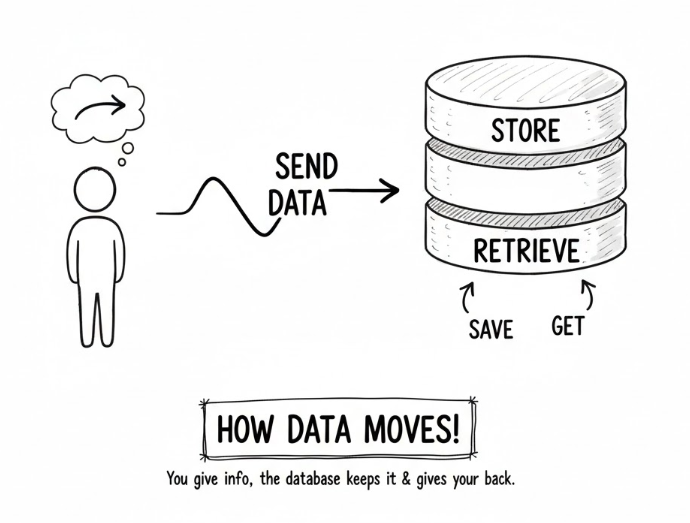
🧩 What Is a Database? Explained Simply with Real Examples (2026 Guide)If you use a phone, order food online, send WhatsApp messages, or scroll Instagram, you are already interacting with databases every single day — even if you never noticed.Most people think “database” is a complicated IT word, but it’s actually quite simple. Let’s break it down in plain language.⭐ 1. What does “Database” mean? (Simple Definition)A database is a system that stores, organizes, and manages data so it can be easily accessed, updated, and used.In simple words:A database is like a digital storage room where information is kept in an organized way.Without databases, apps and websites would not know who you are, what your account contains, or what you are trying to do.📦 2. Real-Life Example (To Make It Crystal Clear)Imagine a school that has:attendance recordsstudent report cardsfees detailsteacher infoIf all this data was written in notebooks and kept on shelves, it would be difficult to:search a student’s marksupdate attendancefind fee receiptsNow imagine the same information stored digitally in a database. Then:✔ the principal can search any student in seconds ✔ teachers can update attendance instantly ✔ accounts team can track fees easilyThis is exactly what databases do — solve the problem of storing and managing data efficiently.🌐 3. How Databases Work in Apps We Use DailyLet’s look at examples from daily life:📱 WhatsAppWhenever you send a message:the chat is stored in a databaseyour contacts are stored in a databaseyour profile info is stored in a databaseElse your chats would disappear every time you close the app.🛒 Amazon / FlipkartThey store:product namespricesstock levelsordersuser addressesIf these were not stored, you couldn’t reorder anything, track orders, or compare prices.🏦 Banks / UPIWhen you pay someone using UPI:your bank balance updates in a databasetransaction records are saved in a databaseaccount details are verified from a databaseWithout this, digital payments would be impossible.So even if you don't notice, databases run the modern world.📑 4. Databases vs Spreadsheets (Very Common Confusion)A lot of beginners think:“Isn’t a database just like Excel?”Not really.Here’s the difference:FeatureSpreadsheetDatabaseUsersDesigned for 1–2 peopleMany users at the same timeData sizeSmallVery largePerformanceSlows down easilyHandles millions of recordsAutomationVery limitedHighly automatedSecurityBasicAdvancedBackupManualAutomatedMulti-userNot idealBuilt for itSpreadsheets are great for small personal work.Databases are built for scalable, secure systems like banking and social media.🧱 5. Two Big Types of DatabasesThere are many types, but beginners should know just two:A) SQL Databases (Structured)Think of them like well-organized tables with rows and columns.Example SQL databases:MySQLPostgreSQLOracleSQL ServerMariaDBUsed in:banking systemse-commerceschool managementERP systemsB) NoSQL Databases (Flexible)These don’t follow strict table structure. They store data like:documentskey-value pairsgraphsJSON objectsExample NoSQL databases:MongoDBFirebaseCassandraRedisDynamoDBUsed in:social media feedschat applicationsIoT systemsreal-time analytics🧩 6. Why Do We Even Need Databases?Because they solve real-world problems:✔ Store huge amounts of information ✔ Handle millions of users at once ✔ Protect data with security ✔ Allow backup and recovery ✔ Support automation and workflowsImagine Facebook without a database — all profiles, posts, likes, messages… gone.So databases are not optional — they are the foundation of digital systems.💾 7. Where Are Databases Stored?Databases are stored on servers, and those servers are kept inside data centers.A data center includes:rows of server rackscooling systemsfire protectionphysical securityhigh-speed fiber internetbackup powerCompanies don’t keep databases at home — they use:AWSGoogle CloudAzureDigitalOceanOracleHetznerLinodeThese platforms provide reliable cloud databases.🧠 8. Database Jobs are Booming (Especially in India)Since every business is becoming digital, database jobs are increasing:Companies need people like:Database Administrator (DBA)Data EngineerBackend DeveloperCloud Database ArchitectDevOps EngineerSRE EngineerSo databases are not just technical — they are a career opportunity.🎯 Conclusion A database is not just a technical concept — it is the backbone of modern digital life.Every time you:log into Instagramcheck your bank balancebook a ticketbuy something onlinea database makes it possible.If servers are the heart of the internet, then databases are the memory. Without them, the digital world would collapse in seconds.
Tech Desk
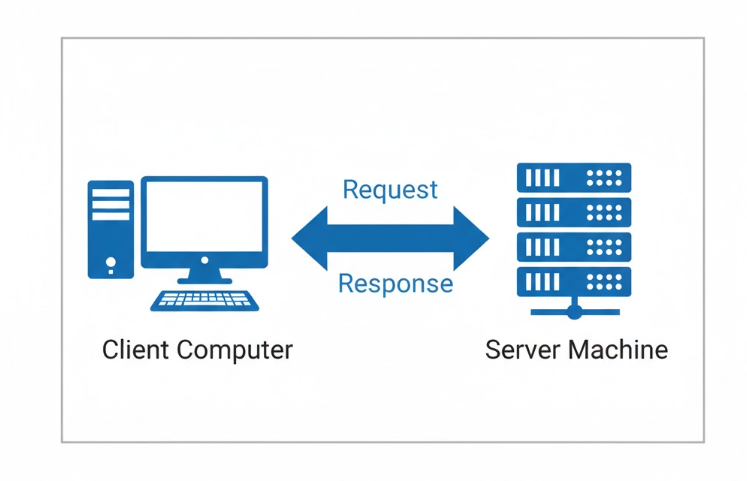
🧩 What Is a Server? Explained Simply (For Beginners)If you’ve ever used Google, watched YouTube, or sent a WhatsApp message, you’ve already interacted with servers — even if you didn’t realize it.So let’s explain it in the simplest possible way.⭐ 1. What Exactly Is a Server? (Simple Definition)A server is a powerful computer that stores, processes, and delivers data to other devices over the internet.Whenever you:search something on Googlewatch a videobrowse Instagramshop on Amazonyou are actually requesting data from a server.The word “server” comes from “serve” — because it serves data to you.🍽 2. Real-Life Example (Restaurant Analogy)Imagine you’re at a restaurant:You = client (user)Waiter = serverKitchen = databaseYou say: “One dosa, please!”The waiter goes to the kitchen, gets your food, and brings it to you.Similarly on the internet:You type google.comYour browser sends a request to a serverThe server processes itAnd sends back a responseSame idea. Just data instead of dosa. 😄💻 3. How Is a Server Different from a Normal Computer?Servers are also computers, but they are designed to handle many users at the same time.FeatureServerNormal ComputerMain UseServe data to many usersPersonal useUptimeRuns 24/7Runs sometimesHardwareHigh performanceMedium performanceSecurityStrongBasicLocationData centersHome/OfficeSo servers need:more RAMmore CPUfaster storage (SSD/NVMe)stable coolingstable power🏢 4. Where Do Servers Live? (Data Centers)Servers are stored in big buildings called data centers.A data center has:✔ backup electricity ✔ cooling systems ✔ fire control ✔ high-speed fiber internet ✔ physical securitySome major providers are:Amazon AWSGoogle CloudMicrosoft AzureDigitalOceanOracleLinodeHetznerImagine huge rooms filled with thousands of machines — that’s a data center.📡 5. Types of Servers (Beginner-Friendly)There are many types, but here are the basics:🔹 Web Server — runs websites → Examples: Apache, Nginx🔹 Application Server — runs backend logic → Examples: Node.js, Django, Laravel🔹 Database Server — stores structured data → Examples: MySQL, MongoDB, PostgreSQL🔹 File Server — stores & shares files → Example: NAS servers🔹 Mail Server — handles emails → Example: SMTP, IMAP servers🔹 Game Server — handles multiplayer games → Example: PUBG, Minecraft, Valorant servers🔄 6. How a Server Works (Request → Response)Here’s the basic flow:You enter a website URLBrowser sends a requestServer receives itServer processes dataServer sends response backBrowser shows result to youExample:You click a YouTube video → Server streams video → You watch itSimple.🔐 7. Why Are Servers Important?Without servers, the internet wouldn't exist.No:❌ Google search ❌ Online shopping ❌ Instagram ❌ Banking apps ❌ Gaming ❌ Streaming ❌ Payments (UPI)Everything depends on servers.🔐 8. Why Do Servers Need Strong Security?Servers store sensitive data like:bank detailsmessagesemailsbusiness filesgovernment recordsSo they use:✔ Firewalls ✔ Encryption ✔ Backups ✔ Authentication ✔ DDoS protection ✔ Monitoring tools💰 9. How Much Do Servers Cost?Depends on:hardwarebandwidthlocationusageTypical pricing:Shared hosting: ₹80 – ₹300/monthVPS servers: ₹400 – ₹2000/monthCloud servers: ₹3000 – ₹50000/monthAWS, GCP & Azure are usage-based (pay for what you use).🇮🇳 10. Server Jobs in India (Growing in 2026)Server-related fields in demand:✔ DevOps Engineer ✔ Cloud Engineer ✔ Backend Developer ✔ Network Engineer ✔ System Admin ✔ SRE (Site Reliability Engineer)Every company moving to cloud → job demand rising.🏁 Conclusion (Simple)A server is the backbone of the internet.It may look like just a computer, but without it:no websitesno appsno paymentsno messagingno streamingServers keep the digital world alive.
Tech Desk

Best Online Skills to Learn in 2026 (That Actually Pay)If you look around in 2026, one thing becomes very clear — online earning is no longer limited to tech giants, influencers, or coders. Today, normal students, working professionals, homemakers, and even retired people are earning online using practical, learnable skills.But here’s the problem:Everyone talks about “learn skills”, but nobody clearly tells which skills actually pay and which ones are just hype.In this article, we will only talk about real, useful, high-demand skills that people are currently getting paid for — without hype, without unrealistic expectations.⭐ 1) Content Writing (Communication Skill That Pays)You may not realize it, but the internet runs on written content — blogs, emails, product descriptions, scripts, social media captions, websites, and more.This creates huge demand for content writers, especially in India where thousands of small businesses are going digital.What content writers do:Blog postsVideo scriptsSocial media captionsProduct descriptionsEmail newslettersWebsite contentSkills needed:Clear writingBasic grammarResearch abilityConsistent learningSuitable for: Students, professionals, introverts, language loversWhy it pays: Businesses need writing to communicate, market, and sell.⭐ 2) Video Editing (Short + Long Formats)Short-form content (Reels, Shorts, TikTok globally) has exploded. Creators, coaches, brands, and companies need editors every single month.And there is a shortage of good editors.Types of editing work:YouTube videosReels/ShortsAds & promo videosCourse editingPodcast editingTools you can learn:CapCutVNFilmoraDaVinci ResolvePremiere ProGood for: People with creativity, timing sense, and patienceVideo editing is not going anywhere — it is only growing.⭐ 3) Social Media Management (Brand Presence Skill)Today every business — from a chai shop to a gym — wants to appear active online. But most business owners do not have time or skill to manage pages.That’s where social media managers step in.This skill includes:Post schedulingCaption writingBasic designingComment repliesEngaging with audienceUnderstanding what worksDemand is especially high in:Cafes & restaurantsBoutiques & salonsFitness trainersReal estateLocal shopsSmall brandsThis is one of the easiest online skills to start with.⭐ 4) Digital Marketing (Growth + Conversions)Every business wants visibility and customers. Digital marketing gives both.It includes:Google adsMeta adsSEOEmail marketingFunnelsAnalyticsThis field pays well because it directly increases revenue for businesses — and businesses pay for results.If you want a strong career + freelancing + side income, digital marketing is a safe bet.⭐ 5) UI/UX Design (User Experience Skill)Apps and websites are everywhere, but not all are usable. UI/UX designers make them usable, attractive, and user-friendly.Work includes:WireframesUser flowsPrototypesApp layoutsWebsite designTools:Figma (most popular)Adobe XD (less used now)This skill suits people who are creative and analytical both.⭐ 6) Web Development (Building the Internet)Web development has been relevant for 20+ years and still isn’t going out of fashion.Types:Frontend (React, Vue, Next)Backend (Node, Django, Laravel)Full-stack (both)Work includes:WebsitesDashboardsAutomation toolsBusiness portalsSaaS appsThis is one of the highest-paying digital skills long-term.⭐ 7) SEO (Search Visibility Skill)Ads are expensive. SEO brings organic customers from Google.Businesses want leads → SEO gives leads → therefore SEO professionals are paid well.SEO tasks:Keyword researchOn-page optimizationContent planningBacklinksTechnical fixesThis is the most underrated income source in India right now.⭐ 8) Affiliate Marketing (Recommendation Skill)Affiliate means you don’t need your own product — you recommend someone else’s product.Works especially well for:GadgetsCoursesTravelCredit cardsAppsFashionBooksPlatforms you can use:YouTubeInstagramBlogTelegramWhatsAppThis takes time but builds passive income.🧠 Important Reality CheckLearning skills is not enough. Results come from practice + consistency + real work.Realistic timeline:Learning: 1–3 monthsPractice: 2–3 monthsFirst client: 3–6 monthsSo if you are expecting “quick money”, this is not for you.🎯 Which Skill Should YOU Learn?Choose based on personality:✔ Creative: Video Editing, UI/UX, Content Writing ✔ Analytical: Web Dev, SEO, Digital Marketing ✔ Social: Social Media Management, Affiliate MarketingSkill choice is step 1. Execution is step 2. Consistency is step 3.🏁 ConclusionIn 2026 and beyond, income will depend on skills, not degrees. If you learn a useful skill and give it time, you can create a career, side income, or even a business.The best part? Most of these skills can be learned at home with zero cost.Start small, stay consistent — results will come.
 Rahul Verma

Why Online Earning Is Not Quick Money (The Reality Nobody Talks About)Aaj kal online earning ko log magic trick ki tarah dekhte hain. Instagram, YouTube aur reels me har koi bolta hai — “Work from home, earn ₹50,000 monthly!”, “No investment!”, “Just 1 hour daily!” Aur hum sochne lagte hain ki shayad online earning matlab asani + jaldi paisa.Lekin reality simple hai: Online earning slow hoti hai, difficult hoti hai aur time leti hai. Ye baat koi openly nahi batata — kyunki sach sunaane se views nahi aate.🟦 1) Online Earning Me “Skill” Paise Deti Hai, Internet NahiInternet free hai, opportunity bhi free hai, lekin paisa tab milta hai jab skill hota hai.Examples: ✔ Content Writing ✔ Video Editing ✔ Graphic Designing ✔ Coding / Web Dev ✔ Social Media Management ✔ Affiliate Marketing ✔ Amazon VA ✔ Digital MarketingWithout skills → online earning = zero.Jo log bolte hain “skill ke bina paisa” — wo scam ya clickbait hota hai.🟩 2) Pehle Work Aata Hai, Fir Income Aati HaiOffline world me bhi pehle skill aata hai → phir job milti hai. Online world bhi same logic follow karta hai.People expect: Day 1: सीखना → Day 2: कमाना But truth is: Month 1–3: सीखना, mistakes, improvement Month 4–6: छोटे काम, छोटे पैसे Month 7–12: अच्छे client, real incomeJitna jaldi ye samajh aa jaaye → utna kam frustration hoga.🟧 3) Online Paise Aate Hain, Par “Delay Se”Chahe platform koi bhi ho:Freelancing → Client milne me time Affiliate → Sales aane me time YouTube → Monetization me time Blogging → SEO result me months Dropshipping → Marketing + testingBasically online earning = Delayed Reward SystemReal world me bhi salaried job me salary 30 din baad milti hai. Online world me bhi reward delay hota hai — sirf format alag hai.🟥 4) “0 Investment” Possible Hai, But “0 Effort” NahiBahut log puchte hain — “Investment nahi hai, fir kaise start kare?”Answer simple: Investment nahi to Time + Skill invest karo.Agar koi bole: ✔ No investment ✔ No skill ✔ No time ✔ Instant earning➡ 100% scam Aisi koi earning model duniya me exist hi nahi karti.🟫 5) Social Media Misleading Expectations Create Karta HaiReels & shorts me ye sab dikhta hai: “🔥 I made ₹10 lakh in 3 months!!” “💸 Earn ₹5,000 daily from home!!”But ye reality nahi, highlight reel hoti hai.Kisi ne skill 1–2 साल सीखी होगी, किसी ने tools use किए होंगे, किसी ने marketing की होगी, किसी ने failure झेले होंगे।But वो रील में ये सब कोई नहीं बताता — क्योंकि views घट जाते हैं।🟨 6) Online Earning = Income + ResponsibilityOffline job में: ✔ काम company देती है ✔ client company handle करती है ✔ salary fix होती हैOnline earning में सब खुद करना पड़ता है: ✔ skill bring करो ✔ client dhundo ✔ deal close करो ✔ deadline meet करो ✔ invoice manage करो ✔ payment follow-up करोIsliye online earning = Self Employment Not shortcut, not passive.🟪 7) Real Online Earning Ka FormulaYe simple formula hamesha work karta hai: Skill Building (2–4 months) → Portfolio (1–2 months) → Small Clients (1–3 months) → Big Clients / Consistency (6–12 months) → Scaling (1–2 years) Isme koi shortcut nahi, koi magic tool nahi, koi copy-paste trick nahi.🟩 Then Why People Still Earn Online?Because online earning me 3 real benefits hain:✔ No location barrier (India → US client possible) ✔ No degree barrier (Skill matters, not college) ✔ No age barrier (16–50+ sab seekh sakte hain)Isliye online earning worth it hai — बस जल्दी नहीं है।🟦 Conclusion: Hard Truth Nobody TellsOnline earning koi “Get Rich Quick Scheme” nahi है. Ye एक skill-based career path है — बस office नहीं जाना पड़ता.✔ Time लगता है ✔ Effort लगता है ✔ Patience लगता है ✔ Mindset चाहिए ✔ Learning चाहिएजो ये समझ गया → वो जीत गया। जो shortcut ढूंढता रहा → frustration में quit कर देता है
Rahul Verma

How Normal People Can Earn Online in 2026 (Without Investment)Online earning is no longer a secret or a “tech genius only” thing. In 2026, normal people — students, housewives, freshers, job holders — all are using the internet to earn in small but real ways.The main difference is: Some people know the correct method, and some get trapped in unrealistic shortcuts.So let’s talk about realistic online earning, without false promises.⭐ First: What Does “Normal People” Mean Here?By normal people, we mean:No fancy laptop setupNo private officeNo coding skillsNo initial investmentNo marketing backgroundJust a smartphone + internet + consistency.Yes, that’s enough to get started.🧩 Reality Check: What Online Earning Actually Looks LikeIt’s not: ❌ instant money ❌ lottery ❌ clicking ads for money ❌ filling surveys whole dayIt is: ✔ skills (even simple ones) ✔ usefulness ✔ consistency ✔ patienceIf that sounds boring, that’s why most people fail. Online earning is not hard — it’s just not instant.🟦 Method 1: Give Value, Not Money — Online Skills Without InvestmentSkills sound complicated, but here we mean practical tasks like:Writing textEditing videosDesigning thumbnailsManaging social accountsTranslating contentTeaching what you knowThese are normal human skills, not “tech skills”.Where people earn using these:FiverrUpworkFreelancerLinkedInFacebook GroupsLocal clientsInstagram DMsIn India, many people get clients from their own city just by Instagram DM — free, simple, real.🟩 Method 2: Content Creation (No Camera, No Face Needed)Content is the new oil of 2026. Platforms need content, brands need content, people consume content.Types of content:Text (blogs, captions, scripts)Voice (podcasts, voiceovers)Video (reels, shorts, YouTube)Image (memes, infographics)Face not required, because:faceless YouTube existsAI voice existsstock footage existsscreen recording existsRevenue comes through: ✔ ads ✔ brand deals ✔ affiliate links ✔ digital productsNote: This requires patience + learning, but anyone can start with phone.🟧 Method 3: Teaching Online (Without Being a “Teacher”)Every person knows something that another person does not.Examples:Cooking without gasFixing phone problemsEnglish improvementClass notesVillage to city job guideStudy hacksBudget healthy dietSimple fitness workoutsPlatforms:YouTubeInstagramShareChatMojTelegramZoom/Meet (paid classes later)Teaching = Value = Income.No investment required, only clarity.🟫 Method 4: Affiliate Marketing (Zero Inventory, Zero Investment)Affiliate means recommending products/services and earning a commission.Normal people already do this offline: “Ye toothpaste use kar, achha hai.” But online, you get paid for it.Types of affiliates:AmazonFlipkartMeeshoAwinImpactDigit insuranceCredit card companiesTravel affiliateYou can do this using: ✔ WhatsApp status ✔ Instagram reel ✔ YouTube video ✔ Facebook group ✔ Blog ✔ Telegram channelNo investment needed, no stock required. Just honesty + relevant audience.🟥 Method 5: Micro Services (Fast & Beginner Friendly)Micro services are tiny tasks that people will pay for because they save time.Example micro services:Convert PDF to WordRemove background from imagesResume formattingForm fillingCanva poster designSocial captions writingTranscriptionThumbnail designTranslate Hindi ↔ EnglishSmall tasks, small charges, but real demand.🌱 Now the Most Important Part: Why People Fail?People fail because they expect: ❌ instant money ❌ fixed salary ❌ motivation dailyReal success requires: ✔ small consistent effort ✔ learn from mistakes ✔ copying what works ✔ showing up dailyA job gives money first, value later, Online gives value first, money later.This is the difference most people never understand.💡 Beginner Roadmap (Without Skills + Zero Investment)If someone starts today in 2026, the simple roadmap is:Step 1: Choose one direction ✔ Content ✔ Micro skill ✔ Teaching ✔ Affiliate ✔ FreelancingStep 2: Learn free from YouTube (not paid courses)Step 3: Start small (reels, posts, gigs, notes)Step 4: Show your work online (portfolio = proof)Step 5: Earn slowly → Grow graduallyThat’s it.🧠 Who Actually Earns Online?Not the smartest. Not the richest. Not the influencers.Those who: ✔ start ✔ learn ✔ adjust ✔ repeat ✔ don’t quit in 30 daysOnline earning is not about talent — it’s about consistency.🎯 Final ThoughtsOnline earning is real in 2026, but only for realistic people.If you expect quick money, it will disappoint you. If you treat it like skill-building + value-giving, it will reward you.The internet has space for everyone — students, housewives, job holders, even retired people.The question is not:“Can you earn online?”The real question is:“Can you stay consistent for 6 months?”If yes, you are already different from 90% of people.
Rahul Verma

Why Young People Have Back Pain in Their 20sBack pain is something we usually associate with older age. But today, more and more people in their early 20s complain about back stiffness, lower back pain, or shoulder discomfort. This wasn’t very common 10–15 years ago, so the obvious question is — why is this happening now?The truth is, it’s not because our bodies have suddenly become weaker. It’s because our lifestyle has completely changed.1. Sitting is the New Default (Not Moving Enough)Most young people spend almost the entire day sitting — sitting in college, sitting at home, sitting during gaming, scrolling, or working on laptops.The human body is designed to move. When you sit for long hours without breaks:Muscles become tightSpine loses flexibilityBlood flow reducesPosture becomes curvedThis slow tension builds up and shows up as back pain later.2. Phones and Laptops Changed Our PostureTechnology helped a lot, but it changed how we use our body.Common posture mistakes among young people:Neck bent forward while looking at phoneShoulder rounding while typingSlouching on bed while using laptopLong gaming hours without stretchingEven 2–3 hours everyday is enough to cause:Neck strainUpper back painLower back tightnessThis is not “disease”, it’s simply postural stress.3. Weak Core Muscles (Because We Don’t Use Them)Our parents and grandparents walked more, did physical chores, and moved naturally. Today, everything is done through clicks and deliveries.The core muscles (abdomen + lower back) are responsible for supporting the spine. When these muscles become weak:The spine carries more loadSitting feels uncomfortableLower back pain increasesWeak muscles + long sitting is one of the biggest modern reasons behind back pain.4. Gym Without Guidance (Wrong Training)Many 20-year-olds go to the gym, which is good. But without knowing basics, they:Lift heavy weights with bad formIgnore warm-upsSkip stretchingDo only chest & arms and ignore back musclesThis creates muscle imbalance and leads to back discomfort.Gym is not the problem — improper training is.5. Stress and Lack of Sleep Affects the Body TooBack pain isn’t always physical. Young people today deal with:Study pressureJob pressureUncertaintyCompetitionSocial media stressStress causes muscles to stay tight, especially around the neck, shoulders, and lower back. Poor sleep slows recovery and increases pain sensitivity.That’s why some people say:“My back hurts more during exams or work deadlines.”It’s not imagination — the connection is real.6. Modern Lifestyle Has Reduced Natural MovementEarlier, people would:Walk to shopsSit on floorBend and lift thingsTravel on bicyclesNow we:Order food onlineSit on chairs and sofasTake cabs/bikes everywhereAvoid small movementsSitting is comfortable but movement keeps the spine healthy.7. Lack of AwarenessMost 20-year-olds don’t think about their body at all. Pain is ignored until it becomes noticeable.Simple habits like:StretchingStrengthening coreMaintaining postureTaking breaksProper sleep…can prevent a lot of back issues, but nobody talks about them in school or college.So What Can You Do to Prevent Back Pain?You don’t need medicines or expensive physiotherapy to start fixing the basics.Small changes help a lot:✔ Move every 30–60 minutesEven 2–3 minute walking breaks help.✔ Fix posture habitsKeep screens at eye level instead of bending your neck.✔ Strengthen your coreSimple exercises like:PlanksBridgesBird-dogBodyweight squatshelp support the spine.✔ Stretch your hip and backMost tightness comes from:Hip flexorsHamstringsLower back musclesStretching improves flexibility.✔ Sleep properlyDeep sleep helps the body repair tissues.✔ Be mindful at the gymLift light, learn form first, then increase weight.Final ThoughtsBack pain in the 20s is not a sign of aging or illness — it’s a silent message from the body saying:“You’re not using me the way I’m meant to be used.”With a few healthy habits, most young back pain improves naturally. Your body is not against you — it just needs movement, strength, and rest.
Health Desk

Why Stress Affects Your Body More Than You RealizeStress has become so common in daily life that many people no longer notice it. Work pressure, money worries, family responsibilities, phone notifications, future tension — it all adds up.Most people think stress is only “mental.” But the truth is, stress affects the body much more deeply than we realize.You may not feel sick, but your body feels different — tired, heavy, restless, or weak. This is not a coincidence.Stress Is Not Just in the MindWhen you feel stressed, your body reacts automatically.It releases stress hormones like cortisol and adrenaline. These hormones are helpful for short-term danger, but harmful when stress becomes constant.Long-term stress slowly starts affecting:MusclesDigestionSleepHeartImmunityThe body stays in “alert mode” even when there is no real danger.How Stress Shows Up in the BodyStress rarely comes with one clear symptom. Instead, it spreads quietly.Common physical signs of stress include:Constant tirednessHeadaches or body painTight neck and shouldersPoor sleepDigestive problemsLow energyFeeling heavy without illnessMany people ignore these signs, thinking they are “normal.”Stress and Muscle TensionWhen you are stressed, your muscles stay tight without you noticing.This leads to:Neck painBack painJaw tightnessBody stiffnessEven after resting, the body doesn’t feel relaxed. That’s why stress-related pain feels confusing — there is no injury, yet the pain is real.Stress Affects Digestion More Than You ThinkThe stomach is very sensitive to stress.Stress can cause:Slow digestionGas and bloatingLoss of appetiteOvereatingStomach discomfortThis happens because the body focuses on “survival” instead of digestion.A stressed mind often creates an unhealthy gut.Sleep and Stress Are Deeply ConnectedStress is one of the biggest reasons behind poor sleep.Even if you sleep for 7–8 hours:The sleep may not be deepThe mind stays activeThe body doesn’t fully recoverThat’s why many people wake up tired even after “enough” sleep.Rest without relaxation does not heal the body.Stress Weakens the Immune SystemLong-term stress slowly weakens your immunity.This can lead to:Frequent coldsSlow recoveryConstant weaknessThe body spends energy dealing with stress instead of protecting itself.You may not fall seriously ill, but you don’t feel fully healthy either.Why We Don’t Realize Stress Is the CauseStress doesn’t announce itself clearly.It hides behind:Busy schedules“Normal tiredness”Daily responsibilitiesScreen addictionPeople often treat symptoms instead of addressing stress itself.But unless stress is managed, the body keeps reacting.Simple Ways to Reduce Stress NaturallyYou don’t need drastic changes. Small daily habits can make a big difference.Try these:Take short breaks from screensWalk for 15–20 minutes dailyPractice deep breathing or silenceSleep and wake up at fixed timesEat slowly and mindfullySpend time in natural lightTalk about your feelings instead of holding them insideStress reduces when the body feels safe and relaxed.When Stress Needs AttentionIf stress:Lasts for monthsStarts affecting daily lifeCauses constant physical discomfortThen it’s important to take it seriously and seek proper support.Ignoring stress doesn’t make it go away — it makes it louder.Final ThoughtsStress is not always visible, but its effects are real.Your body remembers what your mind goes through.If you feel tired, heavy, or uncomfortable without a clear reason, stress might be the message your body is trying to send.Listening early can save a lot of pain later.
Health Desk
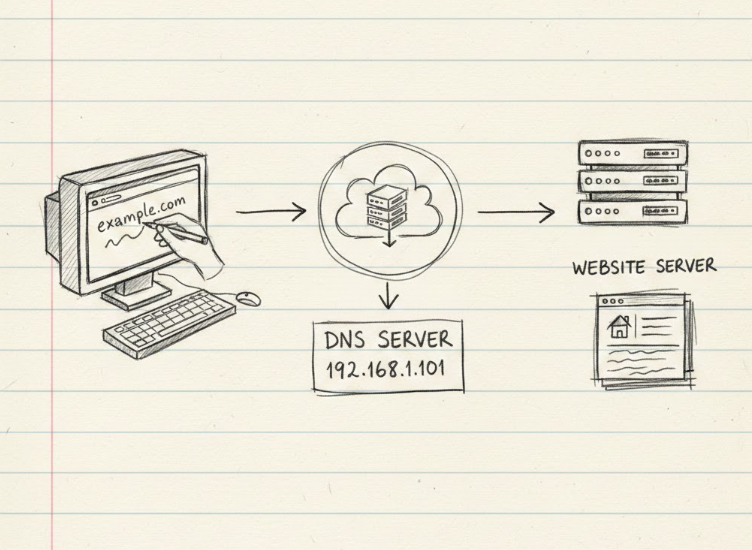
What Is DNS? Explained Simply (No Technical Confusion)Every day, we type website names like google.com, youtube.com, or amazon.in into our browser. Within seconds, the website opens.But have you ever wondered: How does the internet know where that website is located?This is where DNS comes in.DNS works quietly in the background, but without it, the internet as we know it would be almost impossible to use.Let’s understand DNS in the simplest way.What Is DNS? (Simple Definition)DNS stands for Domain Name System.In very simple words: 👉 DNS is the phonebook of the internet.Hum humans website names yaad rakhte hain. Computers numbers samajhte hain.DNS ka kaam hai:Website name koUske IP address (numbers) me badalnaWhy Do We Even Need DNS?Computers don’t understand names like google.com.They only understand numbers, such as: 142.250.190.14 Imagine if you had to remember numbers like this for every website. It would be impossible.DNS solves this problem by acting as a translator between:Human language (website names)Computer language (IP addresses)Real-Life Example to Understand DNSThink of your mobile phone.You save a contact as “Mom”. But internally, your phone uses a number.When you tap “Mom”:Phone looks up the numberThen makes the callDNS works the same way:You type example.comDNS finds the IP addressBrowser connects to the serverSimple.How DNS Works (Step by Step)Let’s see what happens when you type a website URL.Step 1: You Type the Website NameYou enter www.example.com in your browser.Step 2: Browser Asks DNSThe browser asks:“What is the IP address of this website?”Step 3: DNS Looks for the AnswerDNS checks:Local cacheInternet service provider (ISP)Other DNS servers if neededStep 4: DNS Returns the IP AddressDNS replies with something like: 93.184.216.34 Step 5: Browser Connects to the ServerNow the browser knows where the website is and loads it.All this happens in milliseconds.What Is an IP Address?An IP address is a unique number given to every server on the internet.You can think of it as:A house addressThat tells where the website livesDNS simply helps you find that address easily.Why Sometimes Websites Don’t Open (DNS Issues)Sometimes you see errors like:“DNS not responding”“Website not found”This can happen if:DNS server is slowInternet connection has issuesWebsite server is downThat’s why changing DNS (like using public DNS) sometimes fixes problems.Is DNS Important for Security?Yes, very important.DNS also helps with:Blocking fake websitesProtecting against malicious domainsFaster and safer browsingThat’s why secure DNS services are widely used today.Why Developers and Tech Learners Should Understand DNSIf you are learning:Web developmentBackendDevOpsCloud computingThen DNS is a basic foundation.Understanding DNS helps you:Debug website issuesUnderstand server connectionsLearn how the internet actually worksDNS in Simple Words (One Line)👉 DNS helps your browser find the correct website by translating names into numbers.That’s it.Final ThoughtsDNS is one of the most important but invisible parts of the internet.You may never see it working, but every website you open depends on it.Without DNS:Internet would be slowWebsites would be hard to accessUser experience would be terribleDNS keeps the internet simple for humans and efficient for machines.
Tech Desk
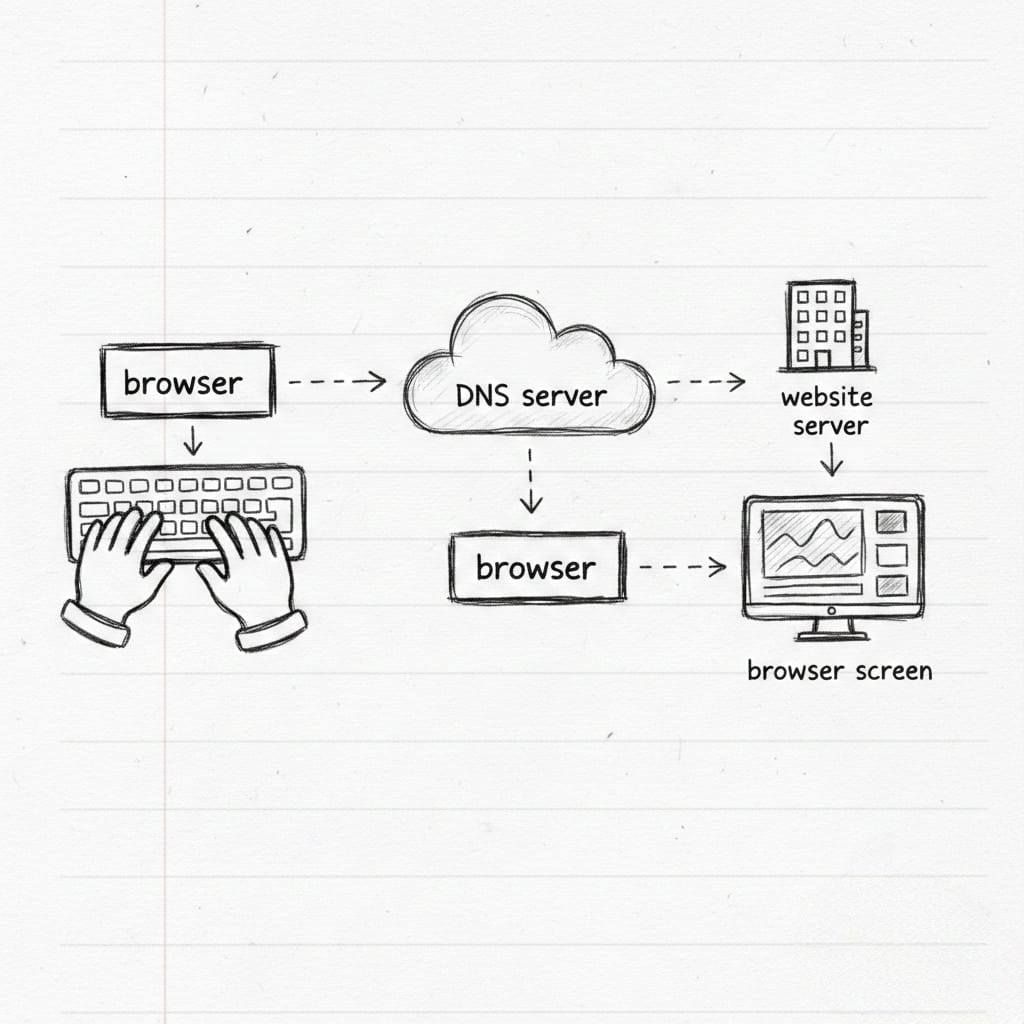
What Happens When You Type a Website URL in Your Browser?We do this every day without thinking much about it. You open your browser, type a website name like google.com, and press Enter.Within seconds, the website appears on your screen.But behind this simple action, many things happen silently and very fast. Let’s understand this step by step — in simple words, without technical confusion.Step 1: You Type the URLA URL (like www.example.com) is basically the address of a website.When you press Enter, your browser understands:You are requesting informationYou want to connect to a specific websiteAt this point, nothing is loaded yet. The browser is just getting ready to find that website.Step 2: Browser Looks for the Website’s Real Address (DNS)Computers don’t understand website names. They understand IP addresses (numbers like 142.250.190.14).So your browser asks a question:“What is the IP address of this website?”This request goes to something called DNS (Domain Name System).You can think of DNS as:The internet’s phonebookWebsite name → Phone number (IP address)Once the IP address is found, the browser knows where the website lives.Step 3: Browser Connects to the Website ServerNow that the browser knows the IP address, it sends a request to the server.This request basically says:“Hey, a user wants to see your website. Please send the data.”This happens through the internet using secure communication rules.If the website uses HTTPS, the connection is encrypted for safety.Step 4: Server Processes Your RequestThe server receives your request and starts working.Depending on the website:It may fetch data from a databaseIt may check login statusIt may run backend codeIt may prepare content specially for youFor example:A news site loads latest articlesA profile page loads user detailsAn e-commerce site loads productsThe server then prepares a response.Step 5: Server Sends Files Back to Your BrowserThe server sends back files like:HTML (structure of the page)CSS (design and layout)JavaScript (interactions and logic)Images and fontsAll these files travel back to your browser in small packets of data.This all happens in milliseconds.Step 6: Browser Builds the Website on Your ScreenNow your browser starts working hard.It:Reads HTML to understand page structureApplies CSS to style the pageRuns JavaScript to add interactivityLoads images and other resourcesSlowly (or very fast), the website appears on your screen.This process is called rendering.Step 7: Page Becomes InteractiveOnce everything is loaded:Buttons become clickableForms become usableVideos can playScrolling becomes smoothAt this point, the website is fully ready for you.And all of this started with just one press of the Enter key.Why Does Sometimes a Website Load Slowly?Several reasons can affect speed:Slow internet connectionBusy or overloaded serverHeavy images or scriptsDistance between you and the serverThat’s why optimization is important for developers.Why This Process MattersUnderstanding this flow helps:Beginners learn how the internet worksDevelopers debug problemsWebsite owners improve performanceUsers appreciate the technology behind simple actionsThe internet may feel simple on the surface, but it is built on smart systems working together.Final ThoughtsNext time you type a website URL and press Enter, remember that:Your browser searched the internetFound the correct serverRequested dataBuilt a complete page for youAll in seconds.This silent process is one of the most powerful things humans have built.
Tech Desk

Why Your Body Feels Heavy Even When You Are Not SickMany people say this sentence almost every day: “I don’t know why, but my body feels heavy.”There is no fever. No serious illness. No clear pain.Still, the body feels slow, tired, and uncomfortable.This feeling is very common today — and most of the time, it is not a disease, but a lifestyle signal your body is trying to send.Let’s understand this in a simple and honest way.1. Poor Sleep Quality (Not Just Less Sleep)You may be sleeping 7–8 hours, but still wake up tired.Why?Late-night mobile usageIrregular sleep timingMental stress before sleepWhen sleep is not deep, the body doesn’t repair itself properly. As a result, muscles feel tight and the body feels heavy the next day.👉 Quality of sleep matters more than hours.2. Dehydration You Don’t NoticeMany people drink very little water without realizing it.Signs of mild dehydration:Heavy body feelingDry mouthLow energySlight headacheTea, coffee, and soft drinks do not replace water.👉 Even mild dehydration can make your body feel slow and dull.3. Lack of Daily MovementSitting for long hours is one of the biggest reasons behind body heaviness.If you:Sit for most of the dayRarely stretchAvoid walkingBlood circulation slows down. Muscles become stiff. The body starts feeling lazy and heavy.👉 The body is designed to move, not to sit all day.4. Mental Stress and OverthinkingStress doesn’t stay only in the mind — it shows up in the body.When you are stressed:Muscles stay tenseBreathing becomes shallowEnergy drains fasterEven if you are physically fine, mental load can make the body feel tired.👉 A tired mind often creates a heavy body.5. Irregular Eating HabitsSkipping meals, overeating, or eating at random times affects digestion.Common issues:Heavy meals at nightToo much junk foodEating fast without chewingPoor digestion creates:BloatingLazinessFull-body discomfort👉 Your body reflects what and how you eat.6. Too Much Screen TimeLong screen time affects more than just the eyes.It causes:Mental fatiguePoor postureNeck and shoulder stiffnessAll of this adds to a feeling of overall heaviness.👉 Digital fatigue is real, even if you don’t feel “sick.”7. Lack of Sunlight and Fresh AirStaying indoors all day reduces:Vitamin D exposureOxygen intakeNatural energy levelsFresh air and sunlight help the body feel lighter and more active.👉 Sometimes, the body just needs the outside world.How to Feel Light and Energetic Again (Naturally)You don’t need medicines for most cases. Try these simple habits:Drink enough water throughout the daySleep and wake up at fixed timesWalk or stretch daily (even 15–20 minutes)Reduce screen time before bedEat simple, home-cooked foodSpend a few minutes in sunlightCalm your mind with silence or deep breathingSmall changes create big results over time.When Should You Be Careful?If body heaviness:Lasts for many weeksGets worse day by dayComes with pain, fever, or dizzinessThen it’s important to consult a medical professional.But for most people, this feeling is a wake-up call, not a warning sign.Final ThoughtsFeeling heavy doesn’t always mean you are sick. Most of the time, it means your body is asking for:Better careBetter routineBetter balanceListen to these signals early. Your body speaks quietly — until it is forced to shout.
Health Desk

When Life Is Silent, Is God Still Listening?There are moments in life when everything feels quiet. Not the peaceful kind of silence, but the heavy one. No answers, no signs, no comfort — just silence.You pray, you wait, you hope… but nothing seems to change.That’s when this question slowly enters the heart: When life is silent, is God still listening?The Silence That Feels LoudSilence is strange. Sometimes it comforts us, but sometimes it scares us.When life goes silent:Prayers feel unansweredEfforts seem unnoticedFaith feels tiredYou may still believe in God, but the connection feels distant. Not broken — just quiet.And that quiet can hurt more than pain itself.Silence Does Not Mean AbsenceOne of the hardest lessons to accept is this: Silence is not the same as abandonment.We often expect God to respond the way humans do — quickly, clearly, loudly. But God doesn’t work on our timeline.Just because you don’t hear an answer doesn’t mean you are ignored. Sometimes silence is simply a different form of presence.Why Silence Feels Like RejectionAs humans, we are wired for reassurance. We want signs, confirmations, clear directions.When those don’t come:Doubt growsFear takes spaceFaith feels weakBut faith was never meant to exist only in certainty. It was meant to exist even when certainty disappears.What Silence Might Be Teaching UsSilence often arrives not to punish us, but to teach us.It teaches:Patience when we want speedTrust when we want proofStrength when we feel weakIn silence, we stop relying on outcomes and start relying on inner strength. That inner strength is often where God works quietly.Growth Happens in Quiet MomentsLook back at your life honestly.Some of your biggest growth probably didn’t happen when things were loud and easy. It happened when:You were aloneYou had no supportYou had to keep going without clarityThose silent seasons shaped you. Not gently, but deeply.God’s Listening Is Not Always VisibleWe often confuse listening with responding.God may be listening even when:Situations don’t changePain doesn’t reduceDoors remain closedListening doesn’t always mean fixing. Sometimes it means preparing you for something you cannot see yet.Faith Is Strongest When It Has No AnswersAnyone can believe when life is good. Real faith is tested when:Nothing makes senseWaiting feels endlessSilence feels unfairFaith during silence is not blind faith. It is brave faith.It says: “I don’t understand, but I still trust.”You Are Not ForgottenIf you are in a silent phase right now, remember this:You are not invisibleYou are not ignoredYou are not forgottenSilence does not erase your worth. It does not cancel your prayers.Some answers arrive not as words, but as strength to survive.What You Can Do in Silent SeasonsInstead of asking, “Why is God silent?” try asking:What is this season changing in me?What am I learning about myself?How am I becoming stronger?Silence often shifts our focus inward — where real transformation happens.Final ThoughtsWhen life is silent, God is not absent. He is often closest in ways we cannot feel immediately.Silence is not the end of faith. Sometimes, it is where faith becomes real.Even when nothing speaks back, your prayers are heard — just not always answered the way you expect.
Mahakal Ki Diwani

The Future of Work in 2026: What Really Matters NowThe way people work has changed more in the last few years than it did in decades before. By 2026, work is no longer defined only by offices, fixed timings, or a single lifelong job. Instead, it is shaped by skills, flexibility, technology, and mindset.Many people still ask the same question: “What will really matter for work in 2026?” The answer is simpler than most think — and it has very little to do with fancy titles.Work Is No Longer About a Single JobEarlier, work meant:One degreeOne companyOne fixed roleIn 2026, this idea is slowly fading.People now:Change roles more oftenLearn new skills while workingEarn from more than one sourceA job is no longer an identity. It is just one part of a person’s life.Skills Matter More Than CertificatesDegrees still have value, but they are no longer enough.What actually matters now:Can you solve real problems?Can you learn quickly?Can you adapt when tools change?Companies care less about where you studied and more about:What you can doHow well you do itHow fast you improveIn 2026, practical skills win over theoretical knowledge.Learning Never Really StopsEarlier, learning was something people did only in school or college. Now, learning has become a daily habit.Technology changes fast:Tools updatePlatforms rise and fallSkills become outdatedPeople who survive and grow in 2026 are those who:Learn continuouslyAre not afraid to start againStay curious instead of comfortableThe future belongs to learners, not experts who stop learning.Remote and Flexible Work Is Normal NowWork is no longer tied to a single location.In 2026:Many people work from homeSome work from different cities or villagesSome choose hybrid workWhat matters is not where you work, but:What results you deliverHow reliable you areHow well you communicateTime is becoming more valuable than office presence.Communication Is a Core SkillNo matter what field you are in, communication matters more than ever.This includes:Clear writingSimple explanationsHonest conversationsRespectful teamworkPeople who can explain ideas clearly often move ahead faster than those who only know technical things.In 2026, how you say things is almost as important as what you know.Technology Is a Tool, Not the EnemyMany people fear that technology will replace jobs. The truth is more balanced.Technology does not replace people. It replaces outdated ways of working.Those who:Use technology smartlyUnderstand basic digital toolsWork alongside automation…find more opportunities, not fewer.In 2026, success comes from working with technology, not fighting it.Multiple Income Streams Are Becoming NormalEarlier, earning from one source was considered safe. Now, relying on a single income feels risky.Many people in 2026:Have a main jobRun a side projectEarn online through skills or contentThis is not greed. It is financial awareness.People want security, freedom, and options — not just a salary.Mental Health and Balance Matter MoreWork is no longer just about productivity.Burnout, stress, and mental exhaustion are real problems. That’s why more people now value:Work-life balanceFlexible schedulesMeaningful workIn 2026, success is not only about earning more, but also about:Staying healthyHaving time for familyFeeling satisfied with lifeAttitude Matters More Than BackgroundYour background matters less than your attitude.People who grow in the future of work:Take responsibilityAre open to feedbackStay humble while learningDon’t blame circumstancesIn 2026, mindset often decides success more than resources.What Really Matters in 2026 (In Simple Words)To sum it up, the future of work is shaped by:Skills over degreesLearning over comfortFlexibility over rigidityCommunication over silenceBalance over burnoutThere is no single path anymore. There are many paths — and people can choose what fits them best.Final ThoughtsThe future of work in 2026 is not scary. It is different.For those willing to adapt, learn, and stay honest with themselves, there are more opportunities than ever before.Work is no longer just about surviving. It is about growing, choosing, and living better.
Rahul Verma

Online Earning vs Job (2026 Comparison): Which Is Better for a Stable Future?In 2026, one question is very common among young people and working professionals:Should I continue with a regular job, or shift towards online earning?Both paths are valid. Both have benefits. But both are also very different in reality.Let’s compare Online Earning vs Job honestly, without hype, so you can decide what actually fits your life.🔹 What Do We Mean by a Job in 2026?A job usually means:Fixed working hoursMonthly salaryOffice or remote company workDefined role and responsibilitiesJobs today may be:Office-basedWork-from-homeHybrid (office + remote)The core idea is stability and structure.🔹 What Is Online Earning in 2026?Online earning means making money using the internet by:Selling skillsCreating contentProviding servicesTeaching or consultingBuilding digital assetsExamples:FreelancingBloggingYouTubeOnline teachingDigital marketingAPI / backend servicesOnline earning focuses on flexibility and independence.⚖️ Online Earning vs Job: Side-by-Side Comparison💰 Income StabilityJob: Fixed monthly salary, predictable incomeOnline Earning: Income may vary month to month👉 Job wins in stability, online earning wins in long-term growth potential.⏰ Time & FlexibilityJob: Fixed working hours, limited flexibilityOnline Earning: You control your schedule👉 Online earning is better for people who value time freedom.📈 Growth & Income LimitJob: Salary grows slowly, depends on companyOnline Earning: No upper income limit (but effort required)👉 Online earning has higher potential but higher uncertainty.🧠 Skill DependencyJob: One role, specific skillsOnline Earning: Continuous learning is required👉 Online earning pushes you to grow faster.🛡️ SecurityJob: Job security (though layoffs exist)Online Earning: No guaranteed security👉 Jobs feel safer emotionally, online earning requires confidence.😌 Stress LevelJob: Work pressure, deadlines, bossesOnline Earning: Self-pressure, client handling👉 Stress exists in both — just different types.👨💻 Who Should Choose a Job?A job is better if:You want stable monthly incomeYou have family responsibilitiesYou prefer structure and routineYou are not ready for income riskJobs are still very respectable and practical in 2026.🌐 Who Should Choose Online Earning?Online earning suits you if:You want flexibilityYou are ready to learn continuouslyYou can handle uncertaintyYou want long-term independenceOnline earning rewards patience, skill, and consistency.🧩 The Smart 2026 Approach: Both TogetherThe smartest people in 2026 are not choosing job OR online earning.They are doing both:Job for stabilityOnline earning as side incomeOver time:Side income growsDependency on job reducesRisk becomes manageableThis is the safest and smartest strategy.🚫 Common Myths to Avoid❌ Online earning is easy money ❌ Jobs are useless ❌ Everyone should quit jobs ❌ Online earning works without skillsReality is balanced, not extreme.💡 Final VerdictThere is no single winner between online earning and jobs in 2026.A job gives security and peace of mindOnline earning gives freedom and long-term opportunityThe best path depends on:Your responsibilitiesYour risk toleranceYour willingness to learnSuccess in 2026 is not about choosing sides — it’s about choosing what fits your life.
Rahul Verma

Online Earning in 2026: How Normal People Are Making Money (Without Scams)In 2026, online earning is no longer just a trend — it has become a real option for people who want flexibility, extra income, or even a full-time career. But the biggest confusion is this: “Sach me kaun earn kar raha hai, aur kaun sirf sapne bech raha hai?”Let’s talk honestly.The Reality of Online EarningOnline earning is not magic. It doesn’t make you rich overnight, and it doesn’t work without effort.But yes — normal people are earning online by learning simple skills and using the internet wisely.The key difference in 2026 is:Skills matter more than luckConsistency matters more than followersReal work matters more than hype1️⃣ Skill-Based Online Earning (Most Reliable)This is where most stable earners come from.Popular skills in 2026:Content writingVideo editing (short-form videos)Web developmentGraphic designAPI testing / backend supportSocial media managementYou don’t need to be an expert from day one. Many people start by learning basics and improving while working.💡 Why this works: Businesses always need skilled people — online or offline.2️⃣ Freelancing: Work for Clients, Get PaidFreelancing is still strong in 2026, but it has matured.People earn by:Solving problemsDelivering clear resultsCommunicating professionallyCommon platforms:Freelance marketplacesDirect clients through LinkedInTelegram & Discord communities💬 Freelancing rewards trust and delivery, not just talent.3️⃣ Content-Based Earning (Slow but Powerful)This includes:BloggingYouTubeInstagram / short videosEducational contentThis is not quick money, but it builds long-term income.People earn through:AdsBrand collaborationsAffiliate linksDigital products📌 The biggest mistake: People quit too early because results take time.4️⃣ Online Teaching & Knowledge SharingIf you know something useful, you can teach it online.Examples:Coding basicsEnglish speakingFitness routinesExam preparationLife skillsFormats:Recorded coursesLive classesPaid communitiesIn 2026, trust-based educators earn more than influencers.5️⃣ Online Earning Without Investment (Truth)Yes, earning without investment is possible — but with effort.What you invest instead:TimeLearningPatienceAvoid anyone who promises:“Guaranteed income”“No work, only clicks”“Daily fixed profit”These are usually scams.Common Mistakes People MakeChasing too many methods at onceExpecting fast moneyCopying others blindlyNot upgrading skillsOnline earning is not about shortcuts — it’s about direction.What Actually Works in 2026✅ Learning one skill deeply ✅ Showing proof of work ✅ Being consistent for months ✅ Building trust, not hypeThis is how normal people are earning — quietly, steadily.Final ThoughtsOnline earning in 2026 is real, but only for those who treat it like real work.You don’t need:Expensive coursesFake motivationOvernight success storiesYou need:One skillOne clear pathDaily effortThat’s it.
Rahul Verma
Docker + API + Backend Workflow: How Modern Web Applications Really WorkIn modern web development, building an application is no longer just about writing backend code. Today, Docker, APIs, and backend services work together as a complete system.If you’ve ever wondered how developers build apps that run smoothly on laptops, servers, and cloud platforms without breaking — this workflow is the answer.Let’s break it down step by step, without buzzwords or confusion.What Is a Backend Workflow? (Simple Meaning)A backend workflow is the journey of a request:A user sends a request (from a website or mobile app)The backend processes itData is returned as a responseIn modern systems, this process usually involves:Backend code (Node, Python, PHP, etc.)APIsDocker containersDatabasesCloud or server environmentRole of Backend in This WorkflowThe backend is the brain of the application.It handles:Business logicDatabase communicationAuthenticationAPI responsesExample:User clicks “Login”Backend checks credentialsBackend responds with success or errorBut running backend code alone is not enough in real projects — that’s where APIs and Docker come in.What Role Does an API Play?An API (Application Programming Interface) acts like a bridge between systems.Real-life example:Think of an API as a waiter in a restaurant:You (frontend) place an orderWaiter (API) takes it to the kitchen (backend)Kitchen prepares foodWaiter brings it backIn apps:Frontend → sends request to APIAPI → talks to backend logicBackend → talks to databaseAPI → returns dataAPIs make systems:FlexibleScalableEasy to connect with other appsWhy Docker Is Needed in Modern Backend SystemsBefore Docker, developers faced problems like:“It works on my system, not on server”Different environments causing bugsDifficult deploymentsDocker solves this by packaging the backend and its dependencies into containers.What Docker does:Wraps backend codeIncludes required librariesRuns the same everywhereLaptop, server, cloud — Docker behaves the same.Docker + API + Backend: Complete WorkflowLet’s understand the full real workflow with an example.Scenario: User Requests Data from an AppUser ActionUser opens website or mobile appClicks “View Profile”API RequestFrontend sends a request to /api/profileRequest reaches backend API endpointDocker ContainerBackend is running inside a Docker containerContainer already has required setupBackend LogicAPI calls backend serviceBackend fetches data from databaseResponseBackend sends data back through APIAPI responds to frontendUser sees resultAll of this happens in milliseconds.Why Companies Prefer This WorkflowModern companies use this setup because it is:Consistent – same behavior everywhereScalable – easy to add more containersFast – Docker containers start quicklyTeam-friendly – developers, testers, DevOps work smoothlyThis is why startups and big tech companies both rely on this model.How This Helps DevelopersFor developers, this workflow means:Less environment issuesFaster debuggingEasy deploymentClean project structureA backend developer who understands Docker + API workflow is industry-ready.Career Importance in 2026In 2026 and beyond:Backend-only knowledge is not enoughCompanies expect understanding of:APIsContainersDeployment flowDocker + API + Backend knowledge makes you:More confidentMore employableReady for DevOps or cloud rolesCommon Mistakes Beginners MakeWriting backend without understanding APIsIgnoring Docker and deploymentTesting only on local machineNot thinking about scalabilityLearning the workflow early avoids these problems.Final ThoughtsModern applications don’t run on backend code alone. They run on systems.Docker ensures consistency. APIs ensure communication. Backend ensures logic.Together, they form the core of modern web development.If you understand this workflow, you are no longer just a coder — you are a real-world developer.
Tech Desk
Docker vs Virtual Machine: What’s the Real Difference (Explained Simply)When people start learning modern development or DevOps, one question comes up again and again: Docker aur Virtual Machine me actual difference kya hai? Dono hi applications run karne ke kaam aate hain, phir confusion kyun hota hai?Is article me hum bina complex language ke, simple examples ke saath samjhenge ki Docker aur Virtual Machine (VM) alag kaise hain, aur aaj ke time me kaun zyada useful hai.Virtual Machine (VM) kya hoti hai?Virtual Machine ek full computer ke jaisi hoti hai, jo ek dusre computer ke andar chalti hai.VM ke paas hota hai:Apna operating system (Windows / Linux)Apna CPU, RAM ka hissaApne system filesSimple example:Socho tumhare paas ek laptop hai. Us laptop ke andar tum ek aur poora naya computer chala rahe ho — bas screen ke andar.Isliye VM:Heavy hoti haiZyada memory leti haiStart hone me time leti haiDocker kya hai?Docker ek lightweight technology hai jo application ko uske required tools ke saath ek box (container) me pack kar deta hai.Docker me:Alag operating system nahi hotaSystem ka OS hi use hota haiSirf app + dependencies hoti hainSimple example:Agar Virtual Machine ek poora ghar hai, to Docker ek lunch box jaisa hai — sirf kaam ki cheez.Isliye Docker:Fast hota haiKam memory leta haiSeconds me start ho jata haiDocker vs Virtual Machine: Basic Difference Table (Samajhne ke liye)Virtual MachineFull operating systemZyada RAM aur storageSlow startupHeavy resource usageDockerOS share karta haiKam RAM aur storageVery fast startupLightweight containersReal-Life Situation se SamjhoWithout Docker / VM:Har developer apne system pe alag setup karta hai. Result: “It works on my system” problem.With Virtual Machine:Har developer ek full VM chalata hai. Problem solve hoti hai, lekin system slow ho jata hai.With Docker:Same container sab jagah chalta hai — laptop, server, cloud. Fast, clean aur reliable.Performance ka FarqVirtual Machine:Boot hone me minutes lag sakte hainZyada CPU/RAM use karti haiDocker:Seconds me start hota haiKam resources me zyada kaamIsliye modern companies Docker ko prefer karti hain.Security ka ComparisonVirtual Machine:Strong isolationHar VM alag OS ke saathDocker:Isolation thoda kamLekin proper configuration ke saath secure👉 High-security environment me VM better hota hai, 👉 Normal web apps ke liye Docker perfect hota hai.Development ke liye kaun better hai?Aaj ke time me:Web developmentAPI developmentMicroservicesCloud deploymentsab ke liye Docker zyada practical hai.Virtual Machine:Testing old systemsRunning different OS togetherLegacy applicationsCareer Point of View (2026)Agar tum:Backend developer hoDevOps seekh rahe hoCloud me kaam karna chahte ho👉 Docker seekhna must-have skill hai.Virtual Machine ka concept samajhna zaroori hai, lekin day-to-day kaam me Docker zyada use hota hai.Kaun sa Seekhna Chahiye? (Beginner ke liye)Best approach:Pehle Virtual Machine ka basic idea samjhoPhir Docker seekho aur practice karoDocker seekhne ke baad:Deployment easy lagegaSystem issues kam hongeIndustry-ready feel aayegaFinal Verdict (Simple Words me)Virtual Machine = Full computer inside computerDocker = Lightweight container for appsAaj ke modern development me: 👉 Docker zyada fast, simple aur popular hai 👉 Virtual Machine special cases ke liye useful haiDonon apni jagah sahi hain, lekin future Docker ka hai.
Tech Desk
New Year Healthy Habits: A Simple 7-Day Plan to Start the Year RightThe beginning of a new year is the best time to reset your body and mind. But most people fail because they try to change everything at once.This 7-day plan is different. It focuses on small, practical habits that anyone can follow—students, working people, and even beginners.You don’t need a gym, fancy diet, or strict routine. Just consistency.Day 1: Fix Your Sleep RoutineHealth starts with sleep.On Day 1:Sleep early (try before 11 PM)Avoid phone 30 minutes before bedWake up naturally if possibleGood sleep improves:EnergyMoodDigestionFocus👉 Tip: Even one good night of sleep makes a big difference.Day 2: Start Your Morning with WaterMost people begin the day with tea or coffee. Instead, give your body water first.On Day 2:Drink 1–2 glasses of warm water after waking upYou may add lemon (optional)Eat breakfast on timeThis helps:DigestionMetabolismSkin health👉 Small habit, big long-term impact.Day 3: Move Your Body GentlyYou don’t need intense workouts.On Day 3:Take a 15–20 minute walkDo light stretchingAvoid sitting for long hoursMovement improves:Blood circulationJoint flexibilityMental clarity👉 Consistency matters more than intensity.Day 4: Eat Simple, Home-Cooked FoodHealth is not about dieting, it’s about balance.On Day 4:Avoid junk foodEat home-cooked mealsAdd fruits or vegetablesTry to:Eat slowlyStop overeatingListen to your body👉 Simple food keeps digestion calm and energy stable.Day 5: Take Care of Your Mental HealthA healthy body needs a peaceful mind.On Day 5:Sit quietly for 5–10 minutesReduce negative newsAvoid unnecessary argumentsYou can:Breathe deeplyWrite your thoughtsSpend time alone👉 Mental rest is as important as physical rest.Day 6: Reduce Screen TimeToo much screen time affects sleep, eyes, and focus.On Day 6:Reduce mobile usageAvoid phone during mealsTake breaks from screensInstead:Read a bookGo for a walkTalk to family👉 Less screen = better sleep and clarity.Day 7: Reflect and ResetThe final day is about awareness, not pressure.On Day 7:Think about what felt good this weekNotice small improvementsDon’t judge yourselfAsk yourself:Which habit was easiest?Which one helped the most?👉 Health is a journey, not a competition.How to Continue After 7 DaysAfter one week:Keep 2–3 habits dailyDon’t try to be perfectBe kind to yourselfHealthy habits grow slowly, but they stay longer.ConclusionThis 7-day plan is not about changing your life overnight. It’s about starting gently, building awareness, and creating balance.If you follow these simple habits, you will feel:More energeticLess stressedMore in control of your healthA healthy year begins with small steps—and you’ve already taken the first one.
Health Desk
How to Take Care of Your Health on the First Day of the New YearThe first day of the new year feels special. It brings hope, freshness, and the feeling that we can start again. But many people ignore their health on this day. Late nights, heavy food, cold weather, and irregular routines often make the first day unhealthy instead of refreshing.If you take small and simple steps on January 1st, you can set the right tone for your health for the entire year.1. Start the Day Slowly, Not in a HurryThe first mistake people make is rushing into the day. Waking up late or suddenly stressing about plans can disturb your body and mind.Try to:Wake up naturally if possibleStretch your body for 5–10 minutesTake a few deep breathsA calm start helps your body adjust after late nights or celebrations.2. Drink Water First Thing in the MorningAfter sleep, your body is dehydrated. Instead of tea or coffee, start your day with water.You can:Drink plain warm waterAdd a few drops of lemon if you likeThis helps digestion, improves metabolism, and refreshes your system.3. Eat Light and Simple FoodMany people overeat on New Year’s Eve and continue the same on January 1st. This puts pressure on digestion.On the first day of the year:Choose home-cooked foodEat fruits, vegetables, or light mealsAvoid excess fried or sugary itemsLight food helps your body recover and gives you natural energy.4. Go Outside for Fresh AirCold weather often makes people stay indoors, but fresh air is important.You don’t need heavy exercise:A short morning walkStanding in sunlight for 10–15 minutesGentle movementSunlight helps vitamin D levels and improves mood.5. Take Care of Your Mental Health TooHealth is not only physical. The first day of the year is perfect for mental clarity.You can:Sit quietly for a few minutesReflect on the past year without judging yourselfAvoid negative news or overthinkingA peaceful mind helps your body stay healthy.6. Avoid Alcohol and Excess CaffeineMany people consume alcohol late at night and feel tired the next day.On January 1st:Avoid alcohol completely if possibleLimit tea or coffeeChoose water, herbal tea, or warm milkYour liver and digestive system need rest, not pressure.7. Dress According to the WeatherJanuary weather can be harsh, especially in many parts of India.Make sure:You wear warm clothesProtect your head, neck, and feetAvoid cold exposure early morningPreventing illness is easier than treating it later.8. Sleep Properly at NightEnding the first day well is as important as starting it well.Try to:Sleep earlyAvoid mobile screens before bedKeep the room calm and quietGood sleep repairs your body and strengthens immunity.9. Make Health a Habit, Not a ResolutionInstead of making big promises:Start with small health habitsBe consistent, not perfectListen to your bodyHealth improves when you respect your limits.ConclusionThe first day of the new year is not about strict rules or heavy routines. It is about balance, care, and awareness.By eating light, staying hydrated, moving gently, and keeping your mind calm, you can begin the year in a healthy way. These small steps on January 1st can shape a better and healthier year ahead.
Health Desk
गाँव की 1 जनवरी बनाम शहर की 1 जनवरी1 जनवरी हर जगह आती है, लेकिन हर जगह एक जैसी नहीं होती।कहीं यह दिन शोर, पार्टी और मोबाइल कैमरों में कैद हो जाता है, तो कहीं यह सुबह की धूप, बच्चों की हँसी और सादगी में खुलता है।यही फर्क है — गाँव की 1 जनवरी और शहर की 1 जनवरी में।🌾 गाँव की 1 जनवरी: सादगी से भरी सुबहगाँव में 1 जनवरी बिना अलार्म के शुरू होती है।सूरज उगता है, ठंडी हवा चलती है, और घरों से बच्चों की आवाज़ें आने लगती हैं।यहाँ नया साल:बिना पार्टी के आता हैबिना शोर के महसूस होता हैऔर बिना दिखावे के मन में उतर जाता हैबच्चों की टोली खेल में लग जाती है, बड़े लोग चाय के साथ बातें करते हैं, और दिन बिल्कुल सामान्य लेकिन सुकून भरा लगता है।🌆 शहर की 1 जनवरी: देर से शुरू होने वाला दिनशहर में 1 जनवरी अक्सर देर से शुरू होती है।रात भर पार्टी, मोबाइल पर wishes, सोशल मीडिया की भीड़।सुबह:आँखें भारी होती हैंसिर में हल्का दर्दऔर मन में एक अजीब-सी थकानयहाँ नया साल:stories में ज़्यादा दिखता हैreels में ज़्यादा रहता हैऔर मन में कम महसूस होता है👶 बच्चे: गाँव बनाम शहरगाँव के बच्चेसुबह जल्दी उठ जाते हैंबिना मोबाइल के खेलते हैंमिट्टी, खेत, मैदान से जुड़े रहते हैंउनकी खुशी सस्ती नहीं, सच्ची होती हैशहर के बच्चेदेर से उठते हैंमोबाइल या TV में लगे रहते हैंबाहर खेलने की जगह कमखुशी ज़्यादातर स्क्रीन तक सीमित👨👩👧 परिवार का माहौलगाँव में1 जनवरी को परिवार साथ दिखता है। सब एक ही जगह होते हैं — कोई दिखावे की जरूरत नहीं।शहर मेंहर कोई अपने-अपने काम में। किसी का plan अलग, किसी की दुनिया अलग।💬 खुशियों की भाषा अलग हैगाँव में खुशी:एक साथ बैठनाहँसनाबातें करनाशहर में खुशी:post डालनाlikes गिननाcomments देखनादोनों खुशी हैं, लेकिन एक भीतर तक जाती है, दूसरी बाहर तक।⏰ समय का एहसासगाँव में समय:धीरे चलता हैमहसूस होता हैशहर में समय:भागता हैफिसल जाता है🧠 क्या कोई बेहतर है?न गाँव गलत है, न शहर।लेकिन फर्क इतना ज़रूर है कि गाँव की 1 जनवरी दिल को छूती है, और शहर की 1 जनवरी आँखों को भरती है।❤️ निष्कर्ष1 जनवरी हमें याद दिलाती है कि नया साल मनाने का तरीका हर जगह अलग हो सकता है।लेकिन अगर कभी मौका मिले, तो गाँव की 1 जनवरी ज़रूर महसूस करना।क्योंकि वहाँ नया साल सिर्फ तारीख नहीं बदलता, मन हल्का हो जाता है।
Mahakal Ki Diwani
1 जनवरी की सुबह: गाँव के बच्चों की छोटी-छोटी खुशियाँ1 जनवरी की सुबह गाँव में कुछ अलग ही होती है। यहाँ न तो मोबाइल की घंटियाँ ज़्यादा बजती हैं, न ही नए साल की कोई बड़ी पार्टी होती है। फिर भी यह सुबह बहुत खास होती है — खास इसलिए क्योंकि यह सुबह बच्चों की होती है।सूरज अभी पूरी तरह निकला भी नहीं होता, ठंडी हवा खेतों से होकर आ रही होती है, और गाँव की गलियों में बच्चों की आवाज़ें गूँजने लगती हैं। कोई माँ से जल्दी उठाने की ज़िद कर रहा होता है, तो कोई बिना नहाए ही बाहर निकल पड़ता है।नया साल, नई उम्मीद — बच्चों की भाषा मेंगाँव के बच्चों के लिए नया साल कोई कैलेंडर बदलने की बात नहीं होती। उनके लिए 1 जनवरी का मतलब होता है — आज कुछ अलग होगा।आज स्कूल नहीं जाना है। आज खेलने की पूरी छूट है। आज कहीं न कहीं से टॉफी मिलेगी। आज बड़े लोग भी मुस्कुराएँगे।बस इतना ही काफ़ी होता है उनके लिए।टोली बनती है, खेल शुरू होते हैंजैसे-जैसे धूप हल्की-हल्की तेज़ होती है, गाँव के अलग-अलग घरों से बच्चे निकलने लगते हैं। कोई नंगे पाँव, कोई चप्पल घसीटता हुआ, कोई पुराने स्वेटर में लिपटा हुआ।धीरे-धीरे एक बच्चों की टोली बन जाती है।किसी के हाथ में कंचे हैं, किसी के पास पुरानी क्रिकेट बैट, तो कोई बस दौड़ लगाने के मूड में होता है।खेत के किनारे, स्कूल के मैदान में, या गाँव की चौपाल के पास — जहाँ जगह मिली, वहीं खेल शुरू।खुशियाँ जिनका कोई दाम नहींइन बच्चों की खुशी किसी महंगे तोहफे में नहीं होती।किसी ने घर से लाई हुई मूंगफली बाँट दीकिसी के पापा ने दो रुपये दिएकिसी के यहाँ सुबह गुड़-चावल बनाकिसी ने नए कपड़े पहन लिएइतनी-सी बातों में उनकी दुनिया पूरी हो जाती है।आज कोई छोटा नहीं, आज कोई बड़ा नहीं। आज सब बस बच्चे हैं।बड़े लोग देखते हैं, मुस्कुराते हैंगाँव के बड़े लोग चुपचाप यह सब देखते रहते हैं।कोई चौखट पर बैठा बीड़ी पीते हुए, कोई खेत जाते-जाते रुककर, कोई चाय की चुस्की लेते हुए।उनकी आँखों में अपने बचपन की झलक होती है।शायद उन्हें भी याद आता है जब 1 जनवरी का मतलब इसी तरह की सादगी हुआ करता था।मोबाइल से दूर, मिट्टी के पासआज के समय में जहाँ शहरों के बच्चे मोबाइल और स्क्रीन में उलझे रहते हैं, वहीं गाँव के ये बच्चे अब भी मिट्टी से जुड़े हैं।उनकी हँसी ज़मीन पर गिरती है, उनकी दौड़ धूल उड़ाती है, और उनकी खुशी बिल्कुल असली होती है।यह खुशी कैमरे के लिए नहीं, किसी पोस्ट के लिए नहीं, बस अपने लिए होती है।दोपहर तक थकान, पर संतोषदोपहर होते-होते बच्चों की आवाज़ थोड़ी धीमी पड़ जाती है। कोई थककर पेड़ की छाँव में बैठ जाता है, कोई घर भागता है खाने के लिए।लेकिन चेहरे पर एक संतोष होता है — आज का दिन अच्छा गया।शाम को फिर मिलेंगे, फिर खेलेंगे, फिर हँसेंगे।नया साल ऐसे ही शुरू होता हैगाँव में नया साल किसी बड़े संकल्प से नहीं, किसी भारी उम्मीद से नहीं, बल्कि इन छोटी-छोटी खुशियों से शुरू होता है।और शायद यही असली नया साल है — जहाँ खुशी सरल हो, हँसी सच्ची हो, और दिल हल्का हो।निष्कर्ष1 जनवरी की यह सुबह हमें याद दिलाती है कि खुश रहने के लिए बहुत कुछ चाहिए नहीं होता।बस थोड़ी आज़ादी, थोड़े दोस्त, और दिल से हँसने का मौका।गाँव के बच्चे हर नए साल हमें यही सिखाते हैं।
Mahakal Ki Diwani
साल के आख़िरी दिन, ख़ुद से कुछ बातें…आज साल का आख़िरी दिन है। कोई शोर नहीं चाहिए, कोई जश्न नहीं। बस थोड़ी सी ख़ामोशी और ख़ुद से ईमानदार होने का वक़्त।पूरा साल भागते-भागते निकल गया। कभी ज़िम्मेदारियों के पीछे, कभी उम्मीदों के, और कभी उन सपनों के पीछे जो अभी पूरे नहीं हुए।आज रुककर बस इतना पूछना है — कैसा रहा ये साल, सच में?इस साल बहुत कुछ वैसा नहीं हुआ जैसा सोचा था। कुछ फैसले गलत निकले, कुछ लोग बदल गए, और कुछ अपने चुपचाप दूर हो गए।कई बार लगा कि अब नहीं हो पाएगा। कई रातें ऐसी रहीं जब नींद से ज़्यादा सवाल थे। और कई दिन ऐसे भी आए जब हँसते हुए भी मन भारी था।लेकिन फिर भी… हम रुके नहीं।इस साल ने सिखाया कि हर मुस्कान खुशी नहीं होती और हर चुप्पी कमज़ोरी नहीं।कभी-कभी चुप रहना खुद को बचाने का तरीका होता है। और आगे बढ़ते रहना सबसे बड़ी हिम्मत।इस साल हमने सीखा कि हर कोई साथ नहीं चलता, और हर वादा निभाया नहीं जाता।लेकिन ये भी सीखा कि अकेले चलना बुरा नहीं होता, अगर रास्ता अपना हो।कुछ सपने अधूरे रह गए। पहले इनका दर्द बहुत था। अब समझ आता है — शायद वो सपने हमें किसी और दिशा में मोड़ने आए थे।हर अधूरापन हार नहीं होता, कभी-कभी वो तैयारी होती है।इस साल हमने खुद से भी लड़ाई की। कभी खुद को कम समझा, कभी खुद पर ही शक किया।लेकिन आज साल के आख़िरी दिन इतना तो कह सकते हैं — हमने कोशिश करना नहीं छोड़ा।और यही सबसे बड़ी जीत है।आज खुद से एक वादा करना है। अगले साल परफेक्ट बनने का नहीं, बस थोड़ा बेहतर बनने का।हर बात पर खुद को दोषी नहीं ठहराना। हर तुलना में खुद को छोटा नहीं समझना। और हर बार टूटकर भी फिर से खड़े होना।इस साल को अलविदा कहते हुए कोई शिकायत नहीं रखनी है। जो मिला — उसके लिए शुक्रिया। जो नहीं मिला — उसके सबक़ के लिए भी।क्योंकि ज़िंदगी सिर्फ़ मिलने का नाम नहीं, सीखने का नाम भी है।अगर तुम ये पढ़ रहे हो और मन में थोड़ा भारीपन है, तो जान लो — तुम अकेले नहीं हो।हम सब इस आख़िरी दिन थोड़े से टूटे हुए, थोड़े से उम्मीद से भरे होते हैं।और यही इंसान होने की पहचान है।साल खत्म हो रहा है, पर कहानी नहीं।हम अभी भी यहाँ हैं। सीखते हुए। संभलते हुए। और आगे बढ़ते हुए।बस इतना ही कहना था ख़ुद से… आज, साल के आख़िरी दिन।
Mahakal Ki Diwani
A Letter to Myself on the Last Day of 2025Dear Me,Today is 31 December 2025. The last page of this year is slowly closing, and before it does, I want to sit with you for a moment—without noise, without filters, without pretending that everything was perfect.This year was not easy. And that’s okay.You survived days when you felt lost. You smiled on days when your heart was heavy. You kept going even when you didn’t know where you were headed.That matters more than you realize.This year taught you that not every effort gives immediate results. Some dreams stayed dreams. Some plans failed quietly. Some people walked away without explanation.At times, you blamed yourself. You wondered if you were not enough, not fast enough, not strong enough.But look at you now— still standing, still learning, still hoping.That itself is progress.You learned that silence is sometimes louder than words. That not everyone who promises to stay actually stays. And that it’s okay to outgrow people, places, and versions of yourself.You learned to protect your energy. To say no without guilt. To rest without feeling lazy.These lessons didn’t come gently. They came through disappointment, waiting, and long nights of thinking.But they shaped you.This year also showed you the beauty of small moments. A quiet walk. A deep conversation. A cup of tea when everything felt overwhelming.You realized happiness is not always loud. Sometimes it’s calm. Sometimes it’s just peace.And peace is underrated.Dear Me, stop being so hard on yourself.You did the best you could with what you knew at the time. You’re allowed to change your mind. You’re allowed to take a different path.Life is not a race, even if the world keeps telling you it is.As you step into 2026, carry these truths with you:You don’t need to have everything figured out.Healing is not linear.Growth often feels uncomfortable.Comparison steals joy—avoid it.Consistency matters more than perfection.And most importantly, don’t lose your kindness—not even when life tests you.Leave behind the guilt of things you couldn’t control. Leave behind the fear of starting late. Leave behind the need to please everyone.Take with you your courage, your honesty, and your willingness to try again.This letter is not about motivation. It’s about acceptance.Accept who you were. Respect who you are becoming. Trust who you will be.The year is ending, but you are not.With patience, With hope, With belief—From you, to you.
 Abhishek Kumar
What Is Docker? Explained Simply for Beginners (With Real Examples)When you start learning web development or backend development, you often hear one common line: “It works on my system, but not on yours.”This problem is very real. An application may run perfectly on one laptop but fail on another machine or server. Different software versions, missing libraries, or system settings cause these issues. Docker was created to solve exactly this problem.Docker is a tool that helps developers run applications in a clean, predictable, and repeatable way—no matter where they run them.Understanding Docker in Simple WordsDocker allows you to package your application along with everything it needs to run:codelibrariesdependenciesruntimesystem toolsAll of this is packed into a single unit called a container.A container behaves the same everywhere—on your laptop, on your friend’s computer, on a company server, or in the cloud.You don’t need to worry about system differences anymore.A Real-Life Example Everyone Can UnderstandThink of Docker like a packed lunchbox.If you cook food at home and put it in a lunchbox, you can eat the same food:at schoolin officewhile travelingThe taste doesn’t change because everything needed is already inside the box.In the same way, Docker puts your application and its requirements inside a container. Wherever you open it, the app runs the same way.Why Developers Faced Problems Before DockerBefore Docker, developers had to:install software manuallymatch exact versionsfix errors again and againspend hours setting up environmentsFor example:One developer uses Python 3.10Another uses Python 3.8The server uses Python 3.9Result? The app breaks somewhere.Docker removes this headache completely.How Docker Actually HelpsWith Docker:You create the app oncePackage it inside a containerRun it anywhereYou don’t care about:operating systeminstalled softwaresystem configurationThis saves time and avoids frustration.Simple Technical Breakdown (Beginner Level)You don’t need deep technical knowledge, but knowing these basics helps:Docker Image A blueprint that defines what your app needs.Docker Container A running version of the image.Docker Engine The tool that runs everything.That’s it. No need to overthink.Real Example: Website DevelopmentImagine you built a website using Node.js.Without Docker:You tell others to install NodeInstall correct versionInstall dependenciesFix errorsWith Docker:You share one Docker fileOne command runs everythingThis is why companies love Docker.Why Docker Is So Popular TodayDocker is widely used because:It saves development timeMakes testing easierSimplifies deploymentReduces system conflictsStartups, big companies, and freelancers all use Docker for modern applications.Is Docker Only for Big Companies?No.Docker is useful for:beginnersstudentsfreelancerssmall startupsenterprise teamsIf you are learning backend, APIs, or DevOps, Docker is a valuable skill.Is Docker Hard to Learn? (Honest Answer)Docker looks scary at first, but it is not hard.You don’t need to:become a DevOps expertmemorize commandsunderstand servers deeplyStart small:run one containerunderstand basicspractice with examplesThat’s enough to get started.When Should You Learn Docker?You should consider Docker if:you are learning backend developmentyou work with APIsyou plan to deploy appsyou want industry-ready skillsLearning Docker early gives you an advantage.Common Myth About DockerMyth: Docker replaces programming Truth: Docker supports programmingDocker doesn’t write code for you. It helps your code run smoothly.Final ThoughtsDocker is not magic, but it solves a real and painful problem developers face every day.If you are serious about modern development, learning Docker is worth your time. You don’t need to master it overnight—just understand the basics and practice slowly.Docker makes development cleaner, faster, and more reliable. That’s why it has become a standard tool in today’s tech world.
Tech Desk
जब भगवान देर करते हैं, तो क्या वो मना कर रहे होते हैं?ज़िंदगी में ऐसा समय हर किसी के साथ आता है जब हम पूरी सच्चाई से भगवान से कुछ मांगते हैं — नौकरी, सेहत, पैसे, रिश्तों की शांति या बस थोड़ी राहत। हम प्रार्थना करते हैं, इंतज़ार करते हैं… लेकिन जवाब नहीं आता।यहीं से मन में सवाल उठता है — “क्या भगवान देर कर रहे हैं या वो हमें मना कर रहे हैं?”यह सवाल कमजोर लोगों का नहीं होता, यह सवाल उन लोगों का होता है जो सच में भरोसा रखते हैं।इंसान जवाब चाहता है, भगवान समझ बनाते हैंहम इंसान हैं, हमें हर चीज़ तुरंत चाहिए — अभी, इसी वक्त, इसी रूप में।लेकिन भगवान का काम तुरंत देना नहीं होता, उनका काम हमें उस चीज़ के लिए तैयार करना होता है।अक्सर जो चीज़ हम मांग रहे होते हैं, हम उस हालत में उसे संभाल ही नहीं पाएंगे — और भगवान यह जानते हैं।देर का मतलब ‘ना’ नहीं होताज़िंदगी के कई ऐसे पल होते हैं जब बाद में हमें समझ आता है कि जो उस वक्त नहीं मिला, वही हमारे लिए सबसे अच्छा था।जो नौकरी नहीं मिली, उसने हमें गलत रास्ते से बचा लियाजो रिश्ता टूट गया, उसने हमें अंदर से टूटने से बचायाजो पैसा देर से आया, उसने हमें गलत आदतों से दूर रखाभगवान जब देर करते हैं, अक्सर वो हमारी रक्षा कर रहे होते हैं, सज़ा नहीं दे रहे होते।इंतज़ार भी एक सीख हैआज की दुनिया में सब कुछ तेज़ है — फोन, इंटरनेट, फैसले।लेकिन भगवान हमें एक चीज़ सिखाते हैं — धैर्य।इंतज़ार हमें सिखाता है:खुद पर भरोसाहालात से लड़नाबिना शिकायत आगे बढ़नाअगर सब कुछ आसानी से मिल जाए, तो इंसान मजबूत नहीं बनता।भगवान चुप होते हैं, ग़ायब नहींबहुत बार हमें लगता है: “भगवान मेरी सुन ही नहीं रहे।”लेकिन सच यह है कि भगवान अक्सर चुप रहकर काम कर रहे होते हैं।जिस तरह बीज ज़मीन के अंदर चुपचाप बढ़ता है, उसी तरह हमारी ज़िंदगी में भी कई चीज़ें पर्दे के पीछे तैयार हो रही होती हैं।हमें दिख नहीं रहीं, लेकिन इसका मतलब यह नहीं कि कुछ हो नहीं रहा।देर हमारे अंदर की तैयारी होती हैभगवान चीज़ नहीं बदलते, भगवान इंसान को बदलते हैं।जब हम इंतज़ार में होते हैं:हमारा अहंकार टूटता हैहमारी सोच साफ़ होती हैहम खुद को समझने लगते हैंऔर जब हम बदल जाते हैं, तब वही चीज़ हमारे जीवन में आती है — जो सच में हमें संभाल सके।मना करना भी दया हो सकती हैकभी-कभी भगवान सच में “ना” कहते हैं। लेकिन वो “ना” भी क्रूर नहीं होता।वो “ना” होता है:किसी बड़े दर्द से बचाने के लिएकिसी गलत मोड़ से हटाने के लिएकिसी बेहतर रास्ते की ओर ले जाने के लिएभगवान का “ना” हमेशा किसी बेहतर हाँ की तैयारी होता है।निष्कर्ष (दिल से बात)जब भगवान देर करते हैं, तो ज़रूरी नहीं कि वो मना कर रहे हों।कई बार वो हमें:मजबूत बना रहे होते हैंसमझदार बना रहे होते हैंऔर सही समय के लिए तैयार कर रहे होते हैंअगर आज जवाब नहीं मिल रहा, तो शायद अभी सवाल पूरा नहीं हुआ है।भरोसा रखो — भगवान कभी देर नहीं करते, वो सिर्फ सही समय चुनते हैं।
Mahakal Ki Diwani
Online Earning vs Job: Which One Is Better for Real Life?Aaj ke time me bahut log ek hi sawal puchte hain: “Job better hai ya online earning?”Social media par koi bolta hai job slavery hai, koi bolta hai online earning scam hai.Sach kya hai? Sach ye hai ki dono ke apne fayde aur limits hain. Galat tab hota hai jab hum bina samjhe decision le lete hain.Chaliye, seedhi aur real baat karte hain.🧑💼 Job Kya Deti Hai? (Reality)Job ek fixed system hai.✅ Job ke FaydeHar month fixed salaryFinancial stabilitySociety acceptanceExperience certificateRetirement benefits (kuch cases me)Job me uncertainty kam hoti hai. Isi liye middle-class families job ko safe samajhti hain.❌ Job ki LimitationsFixed income (growth slow)Time freedom nahiBoss aur rulesStress aur pressureEk income sourceBahut log job karte hue bhi andar se unhappy rehte hain, kyunki unke paas control kam hota hai.💻 Online Earning Kya Hai? (Reality)Online earning ka matlab hota hai: Internet ke through skills ya content se paisa kamana.Examples:FreelancingBloggingYouTubeOnline teachingRemote work✅ Online Earning ke FaydeTime freedomLocation freedomIncome limit nahiMultiple income sourcesSkill-based growthAgar skill strong ho, to online earning job se zyada bhi kama sakti hai.❌ Online Earning ki SachchaiFixed income nahiShuruaat me kam paisaConsistency chahiyeDiscipline khud banana padta haiSociety support kamOnline earning glamorous dikhti hai, lekin shuru ke 6–12 mahine mentally tough hote hain.⚖️ Online Earning vs Job (Simple Comparison)💰 IncomeJob: Fixed, stableOnline: Variable, but scalable⏰ TimeJob: Fixed hoursOnline: Flexible (but effort zyada)📈 GrowthJob: Slow & limitedOnline: Fast if skill improves🧠 StressJob: Boss + deadlinesOnline: Self-pressure🔒 SecurityJob: HighOnline: Medium (depends on skill)🇮🇳 Indian Reality Jo Koi Nahi BatataIndia me:Family pressure hota haiSociety job ko respect karti haiOnline earning ko “side ka kaam” samjha jata haiIsi liye bina planning ke job chhodna galat decision hota hai.🧠 Sach Ye Hai: Dono Galat Nahi HainGalat choice nahi, galat timing aur galat expectation problem hoti hai.❌ Galat Soch“Job bekaar hai”“Online earning easy hai”✅ Sahi SochJob = stabilityOnline earning = opportunity🥇 Best Strategy (Real & Safe)👉 Job + Online earning (side by side)Shuru me:Job rakhoOnline skill build karoSide income start karoJab online income stable ho jaaye, tab decision lo.Is approach me:Risk kam hota haiPressure kam hota haiConfidence zyada hota hai🕒 Kitna Time Lagta Hai Online Earning Me?Sach bolun to:0–3 months → learning3–6 months → small income6–12 months → stability (agar consistent ho)Jo log 1–2 mahine me result chahte hain, wo usually give up kar dete hain.💡 Kaun Sa Option Tumhare Liye Better Hai?Job better hai agar:Tum stability chahte hoFamily responsibility zyada haiRisk nahi lena chahteOnline earning better hai agar:Tum skill develop kar sakte hoPatience haiLong-term soch hai🧾 Final Verdict (Bina Drama)👉 Job bhi sahi hai 👉 Online earning bhi sahi haiGalat sirf ye soch hai ki: “Ek achha hai aur doosra bekaar.”Smart log:Job se safety lete hainOnline earning se freedom banate hainDono ko balance karna hi real success hai.
Rahul Verma
How Normal People Can Earn Online in 2026 (No Investment)Online earning sounds attractive, but it also creates confusion. Some people show big income screenshots, others sell dreams, and many beginners end up disappointed.So let’s be clear from the start:👉 Online earning in 2026 is possible — but not overnight, not without effort, and not with shortcuts.This guide is written for normal people:No big moneyNo tech background requiredNo fake promisesJust real options that actually work.🌍 The Reality of Online Earning in 2026In 2026, companies don’t pay for “luck”. They pay for value.Online income today depends on:SkillsConsistencyTrustThe good news is: You don’t need money to start — you need learning and patience.🧠 1. Skill-Based Freelancing (Best & Safe)Freelancing is one of the strongest online earning methods.You can start with:WritingGraphic designVideo editingWeb developmentSocial media managementWhy freelancing works:No investment neededYou get paid for skillsGlobal clientsLong-term growthEven basic skills can earn money if done well.✍️ 2. Content Writing & BloggingIf you can explain things clearly, writing is powerful.Options include:Blog writingWebsite contentProduct descriptionsTechnical writingIn blogging:You earn through adsAffiliate linksBrand collaborationsIt takes time, but once it grows, it becomes passive income.🎥 3. YouTube & Short-Form ContentVideo content is still growing fast.You can create:Educational videosTech explainersLifestyle tipsMotivation & experiencesYou don’t need expensive gear. A phone + clear voice + useful content is enough.🧑🏫 4. Teaching & Online TutoringIf you are good at something, you can teach it.Examples:School subjectsCoding basicsSpoken EnglishExam preparationPeople pay for clear explanations, not certificates.🛠️ 5. Microtasks & Online Work (Entry Level)For beginners:Data entryVirtual assistanceResearch tasksOnline moderationIncome is low initially, but it builds confidence and experience.🚫 What to Avoid in 2026Very important:❌ “Earn ₹5000/day without work” ❌ Paid joining schemes ❌ Guaranteed income claims ❌ Fake investment appsIf it sounds too easy, it is usually fake.🕒 How Long Does It Take to Earn?Be honest with yourself:First 1–2 months → learning3–6 months → small income6–12 months → stable growthOnline earning is a process, not a lottery.💡 What Actually Makes People Successful OnlinePeople who earn online long-term do these things:Learn continuouslyImprove skillsStay consistentDon’t quit earlyBuild trustNo shortcuts. No magic.🧾 Final ConclusionNormal people can earn online in 2026 without investment, but not without effort.The internet rewards:SkillsPatienceHonestyIf you focus on learning and adding value, money follows naturally.Online earning is real — but only for those who treat it seriously.
Rahul Verma
Morning Walk vs Evening Walk: Which Is Better for Your Body?Walking is one of the simplest and most effective exercises. No gym, no equipment, no heavy routine — just you and your body in motion.But many people are confused about one thing: Is a morning walk better or an evening walk more effective?The truth is, both have benefits. The better choice depends on your body, routine, and lifestyle.Let’s understand this in a clear and practical way.🌅 What Makes a Morning Walk Special?Morning walk is often linked with freshness and discipline. After a good night’s sleep, the body is relaxed and ready to move.✅ Benefits of Morning WalkBoosts energy for the whole dayImproves focus and moodHelps build a fixed daily routineSupports better digestionEncourages early sleep habitMany people feel more positive and calm after a morning walk because the mind is fresh and distractions are fewer.🌇 What Makes an Evening Walk Useful?Evening walk helps release the stress collected throughout the day. After work or daily responsibilities, walking acts like a mental reset.✅ Benefits of Evening WalkReduces daily stressRelaxes stiff musclesImproves blood circulationHelps clear the mindEasy to maintain after workFor people with desk jobs or long working hours, evening walks feel more natural.⚖️ Morning Walk vs Evening Walk – Real Comparison🕒 Energy LevelsMorning: Gives fresh energyEvening: Releases tiredness🧠 Mental HealthMorning: Builds discipline and positivityEvening: Relieves stress and anxiety⏰ ConsistencyMorning: Requires strong routineEvening: Easier for most people🌙 Sleep ImpactMorning: Improves sleep cycleEvening: Helps sleep if done early🚶♂️ Which Is Better for Weight Control?Walking supports weight management at any time of day. What matters more is regularity, not timing.Morning walk helps start metabolism earlyEvening walk helps burn stress-related fatigueConsistency beats timing every time.🧠 What Science and Experience SayThere is no single “perfect” time for walking. The human body benefits from movement whenever it happens.People who walk daily — morning or evening — are:More activeLess stressedMore consistentSkipping walks because of timing confusion is the real problem.🇮🇳 Indian Lifestyle RealityIn India:Early mornings are peacefulEvenings are social and relaxedSome people cannot wake up early due to:Late work hoursFamily responsibilitiesTravelFor them, evening walk is a practical and sustainable choice.💡 The Best Answer (Honest & Simple)👉 The best walk is the one you do every day.If you enjoy mornings → walk in the morning If evenings suit you → walk in the eveningHealth comes from habit, not the clock.🧾 Final ConclusionMorning walk and evening walk both support:Better healthActive lifestyleStress controlThere is no competition between them. Your body does not care about the time — it cares about movement.Choose the time that fits your life and stick to it.That’s how real health is built.
Health Desk
Why Most People Feel Tired All the Time (And How to Fix It Naturally)Feeling tired has quietly become normal for many people today. You wake up already exhausted, feel low on energy during the day, and by evening, even small tasks feel heavy. The strange part is — many people feel tired even without doing much physical work.So why does this happen? And more importantly, how can you fix it naturally without depending on supplements or shortcuts?Let’s understand this in a real, practical way.🧠 Tiredness Is Not Always About Physical WorkMost people think tiredness comes only from hard work. But in reality, mental overload is a bigger reason today.Constant phone usage, notifications, social media scrolling, and information overload keep the brain active all the time. Even when the body is resting, the mind is not.This mental tiredness slowly turns into physical exhaustion.😴 Poor Sleep Quality (Not Just Sleep Hours)Many people sleep for 7–8 hours but still wake up tired. That’s because sleep quality matters more than sleep time.Common reasons for poor sleep:Using phone before sleepingOverthinking at nightIrregular sleep scheduleSleeping too lateWhen sleep is disturbed, the body does not recover properly.🍽️ Eating Habits That Drain EnergyFood is fuel, but wrong eating habits drain energy instead of giving it.Some common mistakes:Skipping mealsToo much junk foodExcess sugar and tea/coffeeEating late at nightThese habits cause energy crashes and constant tiredness.🚶♂️ Lack of Movement in Daily LifeSitting for long hours without movement makes the body slow and stiff. Ironically, not moving enough makes you feel more tired.Our bodies are designed to move, not sit all day.Even light movement improves blood circulation and energy levels.😟 Emotional Stress We IgnoreUnspoken stress, pressure, and worries quietly consume energy.Stress from:Career uncertaintyFamily responsibilitiesFinancial pressureComparison with othersThis emotional load keeps the nervous system tired all the time.🌿 How to Fix Tiredness Naturally (Simple & Real)You don’t need extreme routines. Small changes work best.✅ Improve Sleep NaturallyAvoid phone 30–45 minutes before sleepSleep and wake up at the same time dailyKeep the room dark and quiet✅ Eat for Energy, Not Just TasteEat regular mealsAdd fruits, vegetables, and nutsReduce sugar and excess caffeineDrink enough water✅ Move a Little Every DayMorning walk (10–20 minutes)Stretching during work breaksLight activity is enoughYou don’t need a gym to feel energetic.✅ Reduce Mental NoiseLimit social media scrollingTake short breaks from screensSpend some time in silenceA calm mind saves a lot of energy.✅ Listen to Your BodyFeeling tired is not weakness. It’s a signal.Ignoring it for too long makes things worse.🌱 Why Natural Fixes Work BetterNatural habits don’t give instant results, but they build long-term energy. They fix the root cause, not just symptoms.That’s why people who follow simple routines feel active even as they grow older.💡 Final ThoughtFeeling tired all the time is not normal — it has just become common.Most tiredness today comes from:Poor sleepMental overloadWrong eating habitsLack of movementThe good news is, you don’t need drastic changes.Small daily habits can bring back your natural energy.When you respect your body and mind, energy slowly returns on its own.
Tech Desk
JWT vs OAuth: How API Authentication Really WorksWhen you start working with APIs, one question comes up very quickly: How does authentication actually work?You may hear terms like JWT, OAuth, tokens, authorization, and it can feel confusing at first. Many beginners even think JWT and OAuth are the same thing — but they are not.This article explains JWT vs OAuth in a very simple and real-world way.🔐 What Is API Authentication?API authentication means verifying who you are before allowing access to data or actions.For example:A user wants to access their profileA mobile app wants to fetch private dataA website wants to update user informationThe server must be sure: 👉 “Is this request coming from a trusted user or app?”That’s where JWT and OAuth come in.🔹 What Is JWT? (Simple Explanation)JWT stands for JSON Web Token.In simple words:JWT is a secure token that proves who you are.How JWT Works (Step-by-Step)User logs in with email & passwordServer verifies detailsServer creates a JWT tokenToken is sent to the clientClient sends this token with every API requestIf the token is valid, the server allows access.✅ Why JWT Is So PopularJWT is widely used because:Stateless (no server session storage)Fast and lightweightEasy to use with APIsPerfect for REST APIs and mobile appsCommon JWT Use CasesLogin systemsUser dashboardsMobile appsSingle-page applications🔹 What Is OAuth? (Simple Explanation)OAuth is not a token, it is a protocol.In simple words:OAuth allows apps to access user data without sharing passwords.You have already used OAuth many times.Real Example (Very Important)When you see:“Login with Google”“Continue with Facebook”That is OAuth in action.🔄 How OAuth Works (In Simple Steps)User clicks “Login with Google”Google asks permissionUser approvesGoogle sends an access tokenApp uses token to access user infoAt no point does the app see your password.🔑 Key Difference Between JWT and OAuthThis is the most important part 👇🟦 JWTA token formatUsed to prove identityUsed after loginLightweight and fast🟩 OAuthAn authorization frameworkUsed to grant accessOften involves third-party servicesMore complex but very secure👉 JWT answers: “Who are you?” 👉 OAuth answers: “What are you allowed to access?”📊 JWT vs OAuth – Side-by-Side ComparisonJWTSimple to implementStatelessBest for internal APIsUsed for authenticationEasier for beginnersOAuthMore complexUsed with third-party loginsBest for large platformsFocused on authorizationIndustry standard for big systems🧠 Real-World Usage (Indian Context)Use JWT when:You are building a backend APIYou control both frontend and backendYou want simple login authenticationYou are working on small to medium appsUse OAuth when:You want social loginYou are integrating with Google, GitHub, FacebookYou are building enterprise-level appsSecurity and permission control matter🤝 JWT and OAuth Together? (Yes!)Important truth:JWT and OAuth are often used together.OAuth handles authorization JWT is used as the access tokenMost modern systems combine both.⚠️ Common Beginner MistakesThinking JWT replaces OAuthUsing OAuth for simple login systemsStoring JWT insecurelyNot setting token expiryUnderstanding the purpose avoids these mistakes.🚀 Which One Should You Learn First?If you are a beginner: 👉 Learn JWT firstOnce comfortable: 👉 Then learn OAuthThis learning order makes everything clearer.🧾 Final VerdictJWT and OAuth are not competitors. They solve different problems.JWT = identity proofOAuth = permission controlUnderstanding both makes you a strong backend developer.If you are serious about APIs, learning JWT and OAuth is not optional — it’s essential.
Tech Desk
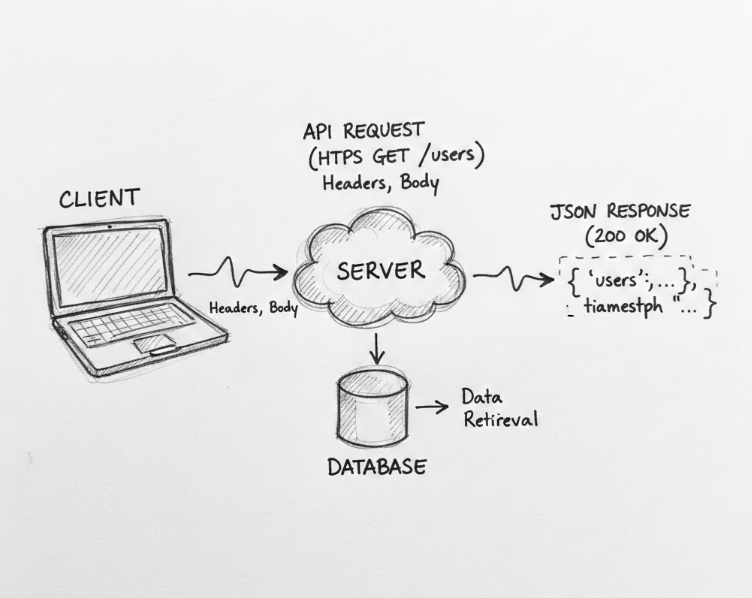
What Is Postman? How to Test APIs Easily (Beginner’s Guide)If you are learning web development or backend programming, sooner or later you will hear one word again and again — API. And when APIs come into the picture, Postman almost always follows.For beginners, API testing sounds complex. But with the right tool, it becomes simple and even interesting. That tool is Postman.This guide explains Postman in a very simple and practical way, especially for beginners.🔹 What Is Postman?Postman is a tool that helps developers send requests to APIs and see responses clearly.In simple words, Postman allows you to:Talk to APIsTest whether an API is working or notSee data returned by the serverInstead of writing code, you can test APIs using a clean interface.🤔 Why Do Developers Use Postman?Before Postman, developers had to:Write test codeUse browsers with limited featuresGuess API issues blindlyPostman solved these problems.Key reasons developers love Postman:Easy to use for beginnersNo coding required to test APIsClean request and response viewSaves time during development🌐 Postman vs Browser (Simple Difference)Browser:Can only send GET requests easilyCannot handle headers properlyNot suitable for testing APIsPostman:Supports GET, POST, PUT, DELETEAllows headers, body, tokensMade specifically for API testingThat’s why serious API testing is done in Postman, not browsers.🔄 How Does Postman Work?Postman follows a simple process:You choose an API endpointSelect request type (GET, POST, etc.)Add headers or body (if needed)Click SendSee response from the serverThat’s it. No magic. No confusion.📌 Example: Testing a GET APILet’s say an API gives user data.Steps in Postman:Open PostmanSelect GETEnter API URLClick SendResponse appears in JSON format:User nameEmailIDYou instantly know whether the API is working.✉️ Example: Testing a POST APIPOST requests are used to send data to a server.Example:Create a new userSubmit a formSave dataIn Postman:Choose POSTAdd JSON data in bodySend requestCheck responseThis helps developers test backend logic easily.🧠 Common Mistakes Beginners MakeMany beginners struggle due to small mistakes:Forgetting headers (Content-Type)Sending wrong request typeInvalid JSON formatMissing authentication tokensPostman helps identify these errors clearly.👨💻 Who Should Learn Postman?Postman is useful for:Web developersBackend developersStudents learning APIsQA testersFreelancersIf you work with APIs, Postman is almost mandatory.🚀 Benefits of Learning Postman EarlyUnderstand APIs betterDebug fasterBuild confidencePerform better in interviewsWork smoothly with backend teamsPostman is not just a tool, it’s a skill.🧾 Final ThoughtsPostman makes API testing simple, visual, and beginner-friendly. You don’t need advanced programming skills to start using it.If you are serious about backend or full-stack development, learning Postman is one of the best early decisions you can make.
Tech Desk
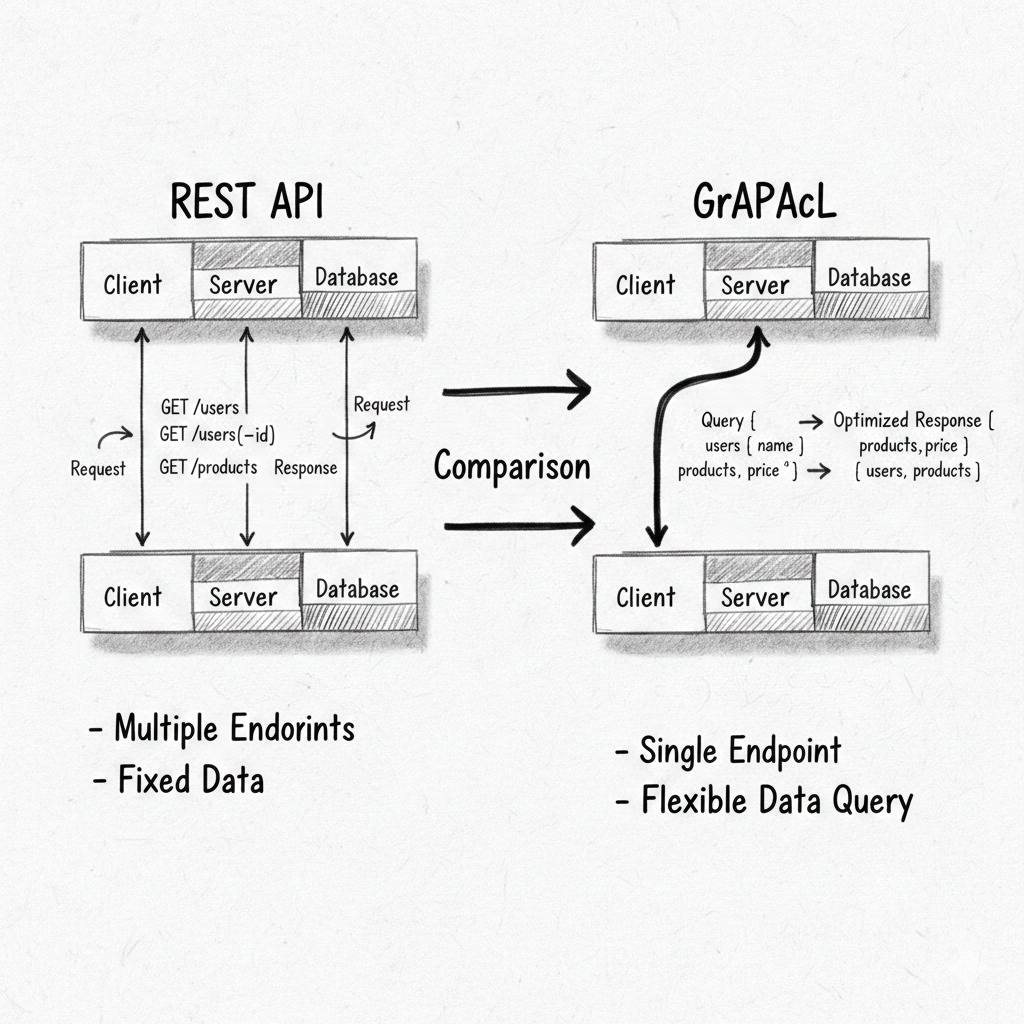
REST API vs GraphQL: Which One Should You Use in 2026?In modern web and app development, APIs are the backbone of everything. From mobile apps and websites to AI tools and SaaS platforms, APIs decide performance, scalability, and developer experience.For years, REST API has been the default choice. But in recent times, GraphQL has gained massive popularity.So the big question for developers in 2026 is:👉 Should you stick with REST API or move to GraphQL?Let’s break this down in a simple, honest, real-world way.🔹 What Is a REST API? (Quick Recap)REST (Representational State Transfer) is an API architecture where:Each URL represents a resourceDifferent HTTP methods do different actionsExample:GET /users → get all usersGET /users/5 → get user with ID 5POST /users → create a user✅ Why REST Became PopularSimple and predictableEasy to understand for beginnersSupported everywhere (browsers, mobile, servers)REST APIs are still widely used in banks, government apps, e-commerce, and enterprise systems.🔹 What Is GraphQL? (Simple Explanation)GraphQL is a query-based API language where the client decides:What data it needsHow much data it needsInstead of multiple endpoints, GraphQL usually has one endpoint.Example (Simple):Client asks:“Give me user name and email only.”Server responds with exactly that, nothing extra.🧠 Core Difference (In One Line)REST: Server decides what data to sendGraphQL: Client decides what data to receiveThis single difference changes everything.⚖️ REST API vs GraphQL – Key Differences🔹 REST APIMultiple endpointsFixed data responseSimple cachingEasy to debugBest for standard CRUD apps🔹 GraphQLSingle endpointFlexible data fetchingAvoids over-fetching & under-fetchingSlightly complex to learnBest for complex frontends📱 Real-Life Example Scenario: Food Delivery AppUsing REST API 🍔To show restaurant page, app may call:/restaurant/menu/reviews/offers➡️ Multiple API calls = more network usageUsing GraphQL 🍕One request:“Give me restaurant name, menu items, and offers”➡️ One call = faster experienceThat’s why modern apps prefer GraphQL for frontend-heavy products.🚀 Performance ComparisonREST API PerformanceGood for simple appsFaster to set upWorks great with caching (CDN)GraphQL PerformanceReduces unnecessary data transferBetter for mobile appsCan be heavy on server if badly designed👉 Performance depends more on implementation, not just technology.👨💻 Developer ExperienceREST APIEasy for beginnersLarge communityTons of tutorialsGraphQLStrong typing systemAuto documentationBetter frontend-backend coordinationFrontend developers especially love GraphQL.🔐 Security ConsiderationsREST uses standard auth (JWT, OAuth)GraphQL also supports secure authGraphQL needs query limits to prevent abuseSecurity is not a weakness of either — bad coding is.🏢 When Should You Use REST API in 2026?Use REST if:You’re building simple CRUD appsYou want fast developmentYour team is beginner-heavyYou need strong cachingExamples:Admin panelsBlogsSmall business websitesGovernment or enterprise systems🤖 When Should You Use GraphQL in 2026?Use GraphQL if:Frontend is complexMultiple clients (web + mobile)Performance matters a lotYou want flexible data fetchingExamples:Social media appsSaaS dashboardsMobile-first productsAI-powered platforms💡 Final Verdict (Honest Answer)There is no universal winner.👉 REST API is still powerful and relevant in 2026. 👉 GraphQL is the future for complex, data-heavy applications.Best Strategy:Learn REST firstThen move to GraphQLMost real companies use both, depending on use case.
Tech Desk

जब सब ठीक नहीं होता, तब भी भगवान पर भरोसा कैसे रखें?ज़िंदगी में एक समय ऐसा ज़रूर आता है जब सब कुछ बिखरा हुआ लगता है। मेहनत करने के बावजूद नतीजे नहीं मिलते, रिश्तों में दूरी आ जाती है, और मन के भीतर एक अजीब-सी खालीपन महसूस होती है। ऐसे समय में सबसे बड़ा सवाल यही उठता है — “जब सब गलत हो रहा है, तब भी भगवान पर भरोसा कैसे रखें?”यह सवाल आस्था से ज़्यादा दर्द से पैदा होता है। क्योंकि जब जीवन आसान होता है, तब भरोसा रखना सरल लगता है। असली परीक्षा तब होती है जब हालात हमारे खिलाफ हों।जब उम्मीदें टूटती हैं, तब विश्वास डगमगाता हैहम सब चाहते हैं कि भगवान हमारी हर परेशानी तुरंत दूर कर दें। लेकिन जब ऐसा नहीं होता, तो मन में शंका आने लगती है — क्या भगवान हमें देख नहीं रहे? क्या हमारी प्रार्थनाओं की कोई कीमत नहीं?यह सोचना गलत नहीं है। इंसान होना ही ऐसा है। दुख के समय सवाल उठना स्वाभाविक है। लेकिन सवाल उठना और भरोसा छोड़ देना — ये दोनों अलग बातें हैं।भगवान पर भरोसा मतलब सब कुछ ठीक हो जाना नहीं होताअक्सर हम भरोसे को गलत तरीके से समझ लेते हैं। हमें लगता है कि अगर भगवान पर भरोसा है, तो दुख नहीं आएगा।लेकिन सच यह है कि भरोसा होने का मतलब यह नहीं कि दर्द नहीं होगा, बल्कि इसका मतलब है — दर्द के बावजूद टूटना नहीं।भगवान हमेशा हालात नहीं बदलते, कई बार वो हमें उन हालात को सहने की ताकत देते हैं।कठिन समय हमें भीतर से मजबूत बनाता हैअगर जीवन में कभी कठिनाई न आए, तो हम धैर्य, सहनशीलता और समझ कैसे सीखेंगे?कई लोग बाद में कहते हैं — “उस मुश्किल दौर ने मुझे बदल दिया।”जो समय उस वक्त सबसे ज्यादा दुख देता है, वही समय हमें सबसे गहरे सबक सिखा जाता है।भगवान शायद पहले से जानते हों कि हम क्या बन सकते हैं, लेकिन हमें खुद को पहचानने के लिए संघर्ष से गुजरना पड़ता है।भगवान की चुप्पी का मतलब दूरी नहीं होताकभी-कभी भगवान चुप रहते हैं। और यही चुप्पी सबसे ज़्यादा तकलीफ देती है।लेकिन चुप रहना मतलब साथ न होना नहीं है। जैसे माता-पिता हर वक्त बच्चे को जवाब नहीं देते, लेकिन उसका हाथ छोड़े भी नहीं रहते।कई बार हमें बाद में समझ आता है कि जिस समय हमें लगा कि भगवान दूर हैं, उसी समय वो हमें संभाल रहे थे।भरोसा कैसे बनाए रखें? (जब सब गलत हो रहा हो)हर दिन खुद से ईमानदारी से बात करें मन की बातें दबाने की बजाय स्वीकार करें।हर परेशानी का तुरंत जवाब न खोजें कुछ सवालों के जवाब समय देता है।छोटी-छोटी चीज़ों में आभार ढूंढें सांस लेना, अपनों का साथ, एक नया दिन — ये भी आशीर्वाद हैं।तुलना करना छोड़ दें हर किसी की लड़ाई अलग होती है।भगवान को दोष नहीं, सहारा बनाएं सवाल पूछिए, लेकिन भरोसा मत छोड़िए।आस्था कमजोरी नहीं, सहारा हैकुछ लोग कहते हैं कि भगवान पर भरोसा रखना कमजोरी है। लेकिन सच यह है कि टूटे हुए समय में भी विश्वास बनाए रखना सबसे बड़ी मानसिक ताकत होती है।जब इंसान के पास कोई जवाब नहीं होता, तब भरोसा ही उसे आगे बढ़ने की हिम्मत देता है।निष्कर्षजब सब ठीक नहीं होता, तब भगवान पर भरोसा रखना आसान नहीं होता — लेकिन उसी समय भरोसे की सबसे ज्यादा ज़रूरत होती है।संघर्ष सज़ा नहीं है, बल्कि एक तैयारी है।हो सकता है आज आपको समझ न आए कि यह सब क्यों हो रहा है, लेकिन एक दिन आप पीछे मुड़कर देखेंगे और समझ जाएंगे कि यह दौर भी आपको बनाने आया था, तोड़ने नहीं।भगवान सब ठीक तुरंत नहीं करते, लेकिन हमें उस दिन के लिए तैयार ज़रूर करते हैं जब सब ठीक होना होता है।
Mahakal Ki Diwani

Why Do We Suffer Even When God Knows Everything?At some point in life, almost everyone asks this question silently or loudly. If God truly knows everything — our past, present, and future — then why do we still have to go through pain, loss, and struggle? Why doesn’t God simply remove suffering from our lives?This question usually comes not from curiosity, but from pain. From moments when life feels unfair, when prayers seem unanswered, and when hope feels distant.Suffering Is Not Always a PunishmentOne common belief is that suffering is a punishment. But in reality, not all pain comes because we did something wrong.Many good people suffer. Many honest, kind, and faithful individuals face hardships that they never deserved.This itself tells us something important: Suffering is not always about punishment.Often, it is about growth, change, and inner strength.God Knows the Outcome, But We Need the JourneyThink of a teacher who knows that a student will pass an exam. Still, the student must study, face stress, and sit for the test.Not because the teacher enjoys the student’s struggle, but because learning does not happen without effort.In the same way, God may know who we can become — but we discover ourselves only through the journey.Without struggle:Patience never developsFaith remains shallowInner strength stays hiddenPain Teaches What Comfort Never CanComfort keeps life smooth, but pain makes life meaningful.When everything is going well, we rarely stop to reflect. But when life hurts, we think deeply:about ourselvesabout our prioritiesabout what truly mattersMany people say later in life:“That painful phase changed me for the better.”Pain breaks illusions and brings clarity.God Does Not Always Remove Pain, But Gives StrengthA very important truth is often misunderstood.God does not promise a life without pain. But faith often gives the strength to endure pain.There is a difference between:a life without problemsand a life where problems don’t destroy youFaith helps people stand when logic fails. It gives hope when answers are missing.Suffering Builds Empathy and HumanityPeople who have suffered deeply often become more compassionate. They understand others’ pain without explanation.If life were always easy:empathy would be rarekindness would feel artificialSuffering connects humans to humans. It reminds us that we are not alone in pain.God Is Silent, Not AbsentOne of the hardest parts of suffering is silence. It feels like God is not listening.But silence does not mean absence.Many times, understanding comes after the pain passes. Only later do we see why things happened the way they did.What feels like abandonment today may turn into understanding tomorrow.Final ThoughtIf God knows everything, suffering still exists because:Growth needs experienceStrength needs testingFaith needs depthHumanity needs humilitySuffering is not proof that God doesn’t care. Sometimes, it is proof that life is shaping us into something stronger, wiser, and more compassionate.
Mahakal Ki Diwani

Daily Stretching vs Gym Workout: Which One Is Better for Long-Term Health?Aaj ke busy life me har koi healthy rehna chahta hai, lekin sabke paas gym jaane ka time, paisa ya energy nahi hoti. Isi wajah se log aksar confused ho jaate hain:Roz thodi stretching karna better hai ya proper gym workout? Aur long-term health ke liye kaunsa zyada faydemand hai?Is sawal ka jawab ek line me nahi hai, kyunki dono ke apne fayde hain. Chaliye simple aur practical tareeke se samajhte hain.What Is Daily Stretching?Daily stretching ka matlab hota hai:Body ko gently move karnaMuscles ko loose aur flexible rakhnaBina heavy exercise ke body ko active rakhnaStretching aap:Subah uthkarOffice break meYa sone se pehle bhi kar sakte hoIske liye na gym chahiye, na equipment.Daily Stretching Ke FaydeRoz thodi stretching karne se:Body stiffness kam hoti haiNeck, back aur shoulder pain me relief milta haiBlood circulation improve hota haiPosture better hota haiStress aur mental tension kam hoti haiEspecially jo log:Desk job karte hainZyada der phone ya laptop use karte hain Unke liye stretching bahut useful hoti hai.What Is a Gym Workout?Gym workout ka matlab hota hai:Strength trainingCardio exercisesWeight liftingStructured fitness routineGym ka main focus hota hai:Muscle strength badhanaStamina improve karnaBody shape aur weight controlGym workouts usually thode intense hote hain aur discipline maangte hain.Gym Workout Ke FaydeRegular gym workout se:Muscles strong hote hainWeight control me madad milti haiHeart health better hoti haiEnergy level badhta haiConfidence improve hota haiJo log:Physically demanding kaam karte hainYa proper fitness goal rakhte hain Unke liye gym workout effective hota hai.Daily Stretching vs Gym Workout: Real ComparisonStretching:Easy to startLow risk of injurySab age group ke liye suitableConsistency easy hoti haiGym Workout:Fast results (agar sahi tarike se kiya jaye)Discipline aur guidance chahiyeInjury ka risk hota hai agar galat kiya jayeTime aur cost zyada hoti haiLong-Term Health Ke Liye Kya Better Hai?Agar long-term health ki baat karein, to sach ye hai:👉 Consistency > IntensityRoz ki thodi stretching:Body ko saalon tak functional rakhti haiJoint problems ka risk kam karti haiAge ke saath mobility maintain karti haiGym workout:Tab zyada effective hota hai jab aap sahi form, rest aur diet follow karoOvertraining ya gap lene se problem ho sakti haiIsliye jo log gym start karke chhod dete hain, unke liye daily stretching zyada sustainable hoti hai.Best Approach: Dono Ka BalanceSabse best solution ye hai:Daily stretching ko habit bana loGym workout ko optional tool samjhoAgar aap:Roz 10–15 minute stretchingAur week me 3–4 din light workout kar lete ho, to body naturally healthy rehne lagti hai.Indian Lifestyle Ke Liye RealityIndia me:Long working hoursTravel stressIrregular routineIsliye har koi hardcore gym follow nahi kar sakta. Par daily stretching almost har koi kar sakta hai.Health ka matlab sirf muscles nahi, pain-free, flexible aur active life bhi hoti hai.Final ConclusionDaily stretching aur gym workout dono apni jagah sahi hain. Lekin agar aap long-term health, comfort aur sustainability chahte ho:👉 Daily stretching is more important 👉 Gym workout ek additional support haiSabse zaroori baat: Jo aap roz kar sako, wahi best exercise hai.
Health Desk
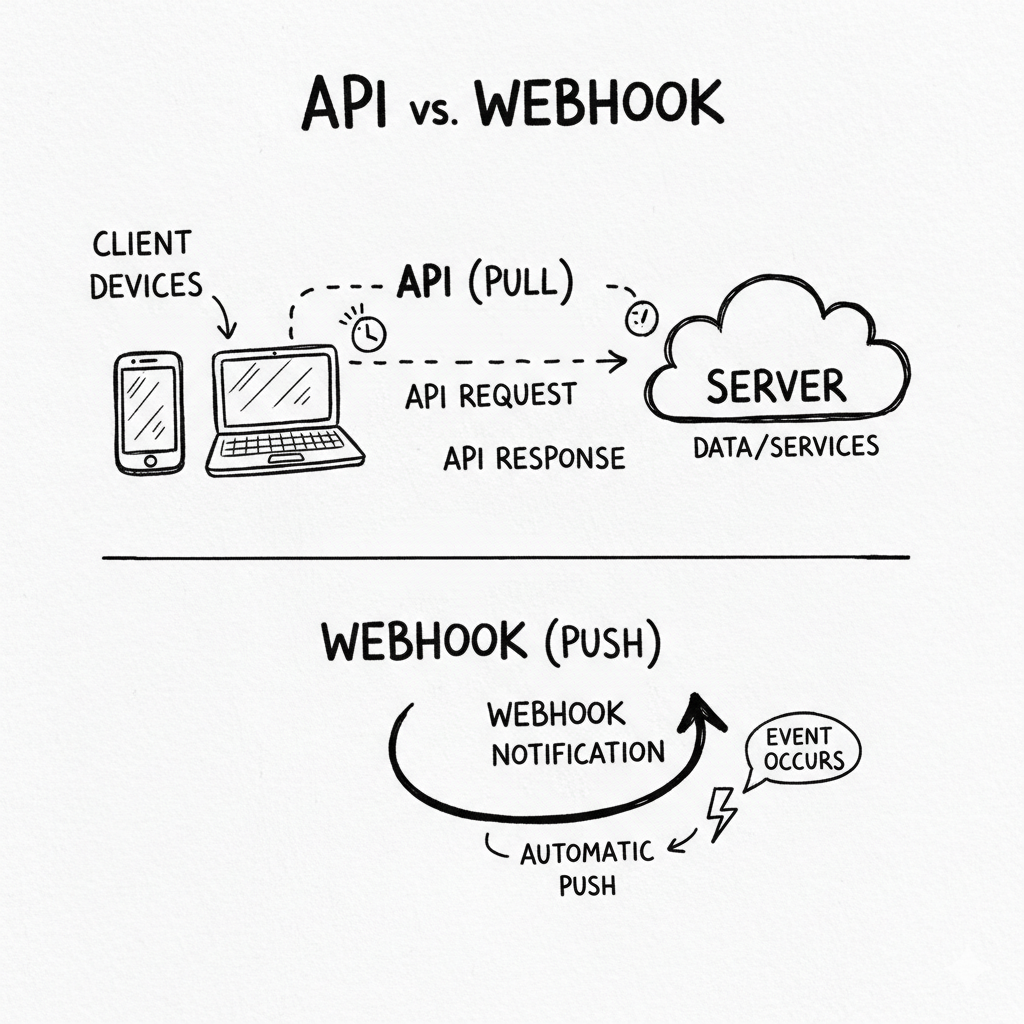
API vs Webhook Explained: Key Differences with Real ExamplesIn today’s digital world, websites and apps constantly talk to each other. From online payments and food delivery to emails and notifications, everything depends on how systems exchange data behind the scenes.Two very common terms you will hear in this process are API and Webhook.Many beginners (and even developers) get confused:Are API and Webhook the same?Which one is better?When should you use API and when Webhook?Let’s clear this confusion in a simple and practical way.What Is an API? (Easy Explanation)API stands for Application Programming Interface.In simple words, an API allows one application to request data or services from another application.Real-Life Example Think of a restaurant.You are the customerThe kitchen is the serverThe waiter is the APIYou ask the waiter for food. The waiter goes to the kitchen, brings your food, and serves it to you.👉 You only get food when you ask for it.That is exactly how an API works.Tech ExampleYou open a weather appThe app sends a request to a weather APIThe API fetches data from the serverThe app shows you today’s temperatureImportant point: API works on request-response basis. No request, no data.What Is a Webhook? A Webhook works in a different way.Instead of asking again and again, the system automatically sends data when something happens.Real-Life ExampleImagine a courier delivery.When your package reaches your city, you get an SMS: “Your order has arrived.”You didn’t ask. The system informed you automatically.That is a Webhook.Tech ExampleA customer completes paymentPayment gateway sends instant notification to your websiteYour website updates order status automatically👉 This happens in real time, without asking.Core Difference Between API and WebhookThe main difference is who starts the communication.APIYou ask: “Any update?” “Any data?” “Has payment completed?”WebhookThe system tells you: “Payment completed.” “Order placed.” “Event happened.”API vs Webhook – Simple ComparisonAPIClient sends requestWorks on pollingMore server callsEasy to understandGreat for dashboards and user actionsWebhookServer sends data automaticallyEvent-basedFewer server callsReal-time updatesBest for automationReal-World Use CasesE-commerce WebsiteShowing product list → APISending order confirmation email → WebhookPayment SystemChecking payment status manually → APIGetting instant payment success alert → WebhookEmail ServiceFetching inbox emails → APIGetting notified when new email arrives → WebhookWhen Should You Use an API?Use API when:User is actively requesting dataYou need filtered or custom dataYou are building dashboards or reportsExamples:User profile detailsOrder historyProduct searchWhen Should You Use a Webhook?Use Webhook when:You want instant updatesAn action happens automaticallyYou want to reduce server loadExamples:Payment successOrder status changeAutomatic email or SMSSecurity ConsiderationsSecurity is important in both cases.APIs use API keys, tokens, or OAuthWebhooks use secret keys and signature verificationIf Webhooks are not secured properly, fake data can be sent. That’s why verification is very important.Which One Is Better?Honestly, there is no winner.API and Webhook are not competitors. They are used together in most real-world systems.API gives controlWebhook gives speedProfessional applications use API + Webhook combination.Final ThoughtsIf you are a beginner:First understand APIs clearlyThen move to WebhooksOnce you understand both, modern backend systems will start making sense.Instead of thinking “API vs Webhook”, think: “API and Webhook together”.That’s how real-world applications work.
Tech Desk

What Pain Teaches Us About Life?Pain is something every human experiences at some point in life. It does not ask for permission, and it does not come with a warning. Whether it is emotional pain, physical pain, failure, loss, or disappointment, pain finds its way into everyone’s journey. At first, pain feels unfair. We ask questions like, “Why me?” or “What did I do wrong?” But as time passes, pain slowly begins to teach lessons that comfort never can.One of the biggest lessons pain teaches us is patience. In happy times, we often expect things to happen quickly. We want instant results, instant success, and instant happiness. Pain slows us down. It forces us to wait, to endure, and to accept that some things cannot be fixed overnight. Through pain, we learn that healing takes time, and that rushing the process only makes things harder.Pain also teaches humility. When life is going well, we sometimes forget how fragile everything is. We become confident, sometimes even arrogant, believing we control everything. Pain reminds us that we are human. It shows us that we need others, whether it is family, friends, or simple emotional support. Many people learn the true value of relationships only when they are at their lowest point.Another important lesson pain teaches is inner strength. When we are in the middle of suffering, we often feel weak and helpless. But once we come out of it, we realize we survived something we thought we never could. Pain reveals a strength within us that we never knew existed. It builds resilience quietly, without announcements. The struggles that once broke us slowly become the reason we are stronger today.Pain also changes our perspective on happiness. When life is easy, happiness can feel normal or even boring. But after pain, even small moments of peace feel precious. A simple smile, a calm morning, or a kind word suddenly holds more value. Pain teaches us gratitude by reminding us that nothing in life should be taken for granted.One of the most powerful lessons pain teaches is compassion. When we suffer, we begin to understand the pain of others. We become less judgmental and more patient. We listen better. We care more. People who have experienced pain often become the ones who help others heal. In this way, pain connects us to humanity at a deeper level.Pain also teaches us acceptance. Some situations in life do not have perfect answers. Some losses cannot be undone. Pain helps us accept what we cannot change and focus on what we still can. This acceptance is not weakness. It is a quiet strength that allows us to move forward without being stuck in anger or regret.In the end, pain is not meant to destroy us. It shapes us. It teaches us patience, humility, strength, gratitude, and compassion. Life’s most important lessons often come from its hardest moments. Pain does not mean life is unfair. Sometimes, it means life is preparing us to become wiser, kinder, and stronger than we were before.
Mahakal Ki Diwani

क्या भगवान हर किसी की सुनते हैं?कई बार मन में यह सवाल उठता है कि क्या भगवान सच में हर किसी की सुनते हैं। हम देखते हैं कि कुछ लोगों की प्रार्थनाएँ जल्दी पूरी हो जाती हैं, जबकि कुछ लोग सालों तक इंतज़ार करते रहते हैं। तब मन में शंका आने लगती है कि शायद भगवान सबकी बात नहीं सुनते।सच्चाई यह है कि भगवान हर किसी की सुनते हैं, लेकिन हर प्रार्थना का जवाब एक जैसा नहीं होता। हम इंसान अक्सर भगवान को अपनी इच्छा की लिस्ट दे देते हैं और चाहते हैं कि सब कुछ हमारी सोच के अनुसार हो जाए। लेकिन भगवान हमारी इच्छा से ज़्यादा हमारी ज़रूरत को समझते हैं।कई बार हमें जो चाहिए होता है, वही हमारे लिए सही नहीं होता। ऐसे में भगवान चुप रहते हैं या हमें इंतज़ार कराते हैं। यह चुप्पी नज़रअंदाज़ करना नहीं होती, बल्कि हमें गलत रास्ते से बचाने का तरीका होती है।भगवान का सुनना हमेशा शब्दों में जवाब देना नहीं होता। कई बार जवाब हमें किसी अनुभव, किसी इंसान या किसी परिस्थिति के रूप में मिलता है। हम उसे पहचान नहीं पाते और सोच लेते हैं कि भगवान ने सुना ही नहीं।जो लोग कठिन समय में भी भरोसा बनाए रखते हैं, वही समझ पाते हैं कि भगवान की हर देरी के पीछे एक कारण होता है। कई बार वही देर हमें टूटने से बचा लेती है।भगवान हर किसी की सुनते हैं, लेकिन उनका जवाब हमारे समय पर नहीं, उनके समय पर आता है। और जब वह समय आता है, तब हमें एहसास होता है कि जो हुआ, वही हमारे लिए सबसे बेहतर था।
Mahakal Ki Diwani

“भगवान सब जानते हैं तो हमें संघर्ष क्यों करना पड़ता है?”अक्सर हमारे मन में एक सवाल उठता है कि अगर भगवान सब कुछ जानते हैं, हमारे भविष्य को भी, तो फिर हमें इतनी मुश्किलों, दर्द और संघर्षों से क्यों गुजरना पड़ता है। कई बार ऐसा लगता है जैसे हमारी परेशानियाँ अनदेखी हो रही हैं। हम सोचते हैं कि क्या भगवान हमारी तकलीफ नहीं देखते, या फिर जानबूझकर हमें कठिन रास्तों पर चलने देते हैं।सच यह है कि इंसान की सोच हमेशा आसान रास्ते ढूँढती है। हम चाहते हैं कि ज़िंदगी बिना रुकावट चले, बिना मेहनत के सफलता मिले और बिना दर्द के शांति। लेकिन ज़िंदगी कभी सीधी रेखा में नहीं चलती। उसमें उतार-चढ़ाव आते हैं और वही उतार-चढ़ाव हमें अंदर से मजबूत बनाते हैं।अगर संघर्ष न हो, तो सीख कहाँ से आए। ज़रा सोचिए, अगर एक बच्चा कभी गिरे ही नहीं, तो क्या वह चलना सीख पाएगा? नहीं। ठीक उसी तरह, अगर इंसान की ज़िंदगी में कठिनाइयाँ न हों, तो अनुभव, समझ और धैर्य कभी विकसित नहीं होंगे। संघर्ष हमें वो सिखाता है, जो आराम कभी नहीं सिखा सकता।भगवान हमें संघर्ष इसलिए देते हैं ताकि हम अपने भीतर छिपी ताकत को पहचान सकें। कई बार हमें खुद नहीं पता होता कि हम कितना सह सकते हैं। जब मुश्किल समय आता है, तभी हमें एहसास होता है कि हम सोच से कहीं ज़्यादा मजबूत हैं।अक्सर लोग यह मान लेते हैं कि भगवान हमें सब कुछ थाली में परोस देंगे, लेकिन यह पूरी सच्चाई नहीं है। भगवान रास्ता दिखाते हैं, दिशा देते हैं, लेकिन उस रास्ते पर चलना हमें खुद होता है। संघर्ष उसी यात्रा का हिस्सा है। अगर भगवान हर परेशानी को पहले ही हटा दें, तो इंसान मेहनत करना, धैर्य रखना और खुद पर भरोसा करना कभी नहीं सीखेगा।लोग कहते हैं कि भगवान हमारी परीक्षा लेते हैं, लेकिन असल में संघर्ष हमारी आस्था की गहराई को दिखाता है। अच्छे समय में तो हर कोई भगवान को याद करता है, लेकिन बुरे समय में भी भरोसा बनाए रखना ही सच्ची श्रद्धा होती है। कठिन समय यह बताता है कि हमारा विश्वास कितना मजबूत है।कई बार हमें उसी पल समझ नहीं आता कि हमारे साथ ऐसा क्यों हो रहा है। हमें लगता है कि सब कुछ गलत हो रहा है। लेकिन जब समय गुजरता है, तब वही संघर्ष ज़िंदगी का सबसे बड़ा सबक बन जाता है। जो दर्द आज हमें कमजोर महसूस कराता है, वही कल हमें अंदर से मजबूत बना चुका होता है।कभी-कभी ऐसा भी लगता है कि भगवान चुप हैं, जैसे वे हमारी सुन नहीं रहे हों। लेकिन चुप रहना दूर होना नहीं होता। भगवान हर कदम पर हमारे साथ होते हैं, बस उनका तरीका हमें देर से समझ आता है। कई जवाब समय के साथ खुद सामने आ जाते हैं।अगर भगवान सब जानते हैं, तो भी हमें संघर्ष इसलिए करना पड़ता है क्योंकि संघर्ष हमें बेहतर इंसान बनाता है। यह हमें धैर्य सिखाता है, खुद पर भरोसा करना सिखाता है और भगवान पर विश्वास बनाए रखना सिखाता है। संघर्ष कोई सज़ा नहीं है, बल्कि एक तैयारी है — उस इंसान के लिए, जो हम भविष्य में बनने वाले हैं।
Mahakal Ki Diwani

🏠 Home Workout vs 🏋️ Gym Workout: Which Is Better for Beginners?When someone decides to start a fitness journey, one common question comes to mind: Should I work out at home or join a gym?Both options are popular, both have benefits, and both can improve health if done correctly. But for beginners, choosing the right option is important because it affects motivation, consistency, and long-term results.Let’s understand this comparison in a simple and realistic way.🏠 What Is a Home Workout?A home workout means exercising at home without professional gym equipment. It usually includes body-weight exercises, stretching, yoga, basic cardio, or light dumbbells.Many people choose home workouts because they are simple, flexible, and cost-effective.Benefits of Home WorkoutNo gym fees or travel costCan exercise anytimeComfortable and private environmentGood for beginners and shy peopleEasy to stay consistentHome workouts are especially useful for people who want to start slowly or have a busy daily schedule.🏋️ What Is a Gym Workout?A gym workout involves exercising in a fitness center using machines, weights, and structured workout plans. Gyms also provide a social environment and professional guidance.People who want faster strength and muscle gains often prefer gym workouts.Benefits of Gym WorkoutAccess to professional equipmentStructured workout routinesTrainer support (if available)Motivating environmentBetter muscle targetingGym workouts are more intense and focused, which can help achieve specific fitness goals faster.⚖️ Home Workout vs Gym Workout: Key DifferencesThe main difference between home and gym workouts is environment and intensity.Home workouts are flexible and low pressureGym workouts are structured and high intensityHome workouts focus on habit buildingGym workouts focus on performance and growthBoth methods work, but in different ways.👶 Which Is Better for Beginners?For beginners, home workouts are often a better starting point.Why?Less pressureLower risk of injuryEasier to stay regularHelps build basic fitness habitsStarting at home allows beginners to understand their body and limits before moving to intense training.💪 When Is Gym Workout a Better Choice?Gym workouts are better if:You already have basic fitnessYou want muscle gain or fat lossYou enjoy structured routinesYou stay motivated in social settingsYou want faster visible resultsGyms are great, but only if you stay consistent. Many people join gyms but stop going after a few weeks.🧠 Mental Motivation Matters More Than PlaceThe biggest factor in fitness success is not home or gym—it’s consistency.A simple workout done daily is better than an intense workout done occasionally. Choose the option that fits your lifestyle, not trends.❌ Common Mistake Beginners MakeMany beginners start with gym workouts that are too intense. This can cause:Muscle painFatigueLoss of motivationFitness should feel challenging, not overwhelming.🔄 Can You Combine Both?Yes, and many people do.Start with home workoutsBuild strength and disciplineShift to gym later if neededThere is no rule that you must choose only one.✅ Final VerdictSo, home workout or gym workout — which is better?There is no universal answer.Home workouts are best for beginners, busy people, and those who want flexibilityGym workouts are better for people with clear fitness goals and long-term commitmentThe best workout is the one you can follow consistently without stress.Remember: progress matters more than place.
Health Desk

🌅 Morning Walk vs Morning Exercise: Which Is Better for Health?A healthy lifestyle starts with small daily habits, and one of the most common questions people ask is: Should I go for a morning walk or do morning exercise?Both are popular, both are beneficial, and both are practiced by millions of people every day. But which one is actually better for your health? The honest answer depends on your body, routine, and health goals. Let’s understand this in a simple and realistic way.🚶 What Is a Morning Walk?A morning walk is a light physical activity done at a relaxed or moderate pace, usually outdoors. People often choose walking because it is easy, safe, and does not require any special equipment.Benefits of Morning WalkImproves blood circulationHelps in digestion and metabolismReduces stress and anxietyGentle on joints and musclesSuitable for all age groupsMorning walking also gives you fresh air and sunlight, which helps improve mood and overall mental well-being.🏋️ What Is Morning Exercise?Morning exercise usually includes activities like stretching, jogging, yoga, bodyweight workouts, or gym exercises. These activities are more intense than walking and aim to improve strength, stamina, and flexibility.Benefits of Morning ExerciseBuilds strength and enduranceBurns more calories in less timeImproves muscle tone and flexibilityBoosts energy for the entire dayHelps develop discipline and routineMorning exercise is often preferred by people who want faster fitness results and have specific health or fitness goals.⚖️ Morning Walk vs Morning Exercise: Key DifferencesThe main difference between a walk and exercise is intensity.Morning walk is low-impact and gentleMorning exercise is more structured and intenseWalking focuses more on overall wellnessExercise focuses on fitness improvementNeither is bad, and neither is perfect for everyone.👨👩👧 Who Should Choose Morning Walk?Morning walk is ideal if:You are a beginnerYou have joint pain or mobility issuesYou prefer slow and steady activityYou want stress relief more than muscle gainYou are starting fitness after a long breakFor many people, a daily walk is enough to stay active and healthy.💪 Who Should Choose Morning Exercise?Morning exercise is better if:You are physically fit or improving fitnessYou want to lose weight or gain strengthYou enjoy structured workoutsYou have limited time and want maximum outputYou already follow a fitness routineExercise gives faster visible results, but it also requires proper form and consistency.🧠 Mental Health: Which Helps More?Both walking and exercise are good for mental health.Walking is calming and relaxingExercise releases more endorphins (feel-good hormones)If your goal is mental peace and stress reduction, walking works beautifully. If your goal is confidence, energy, and motivation, exercise may feel more rewarding.🕒 What If You Can’t Choose One?You don’t have to choose just one.Many people combine both:Walking on some daysExercising on other daysLight walking + stretching togetherThe best routine is the one you can follow consistently.❌ Common Mistake People MakePeople often stop physical activity because they try to do too much too soon. Whether it’s walking or exercise, starting slow and staying regular matters more than intensity.Health improves with consistency, not pressure.✅ Final VerdictSo, which is better: morning walk or morning exercise?There is no universal winner.Morning walk is perfect for beginners, seniors, and those who want gentle daily movementMorning exercise is ideal for people aiming for strength, weight control, and higher fitness levelsThe best choice is the one that fits your lifestyle and keeps you active every day.In the long run, doing something is always better than doing nothing.
Health Desk
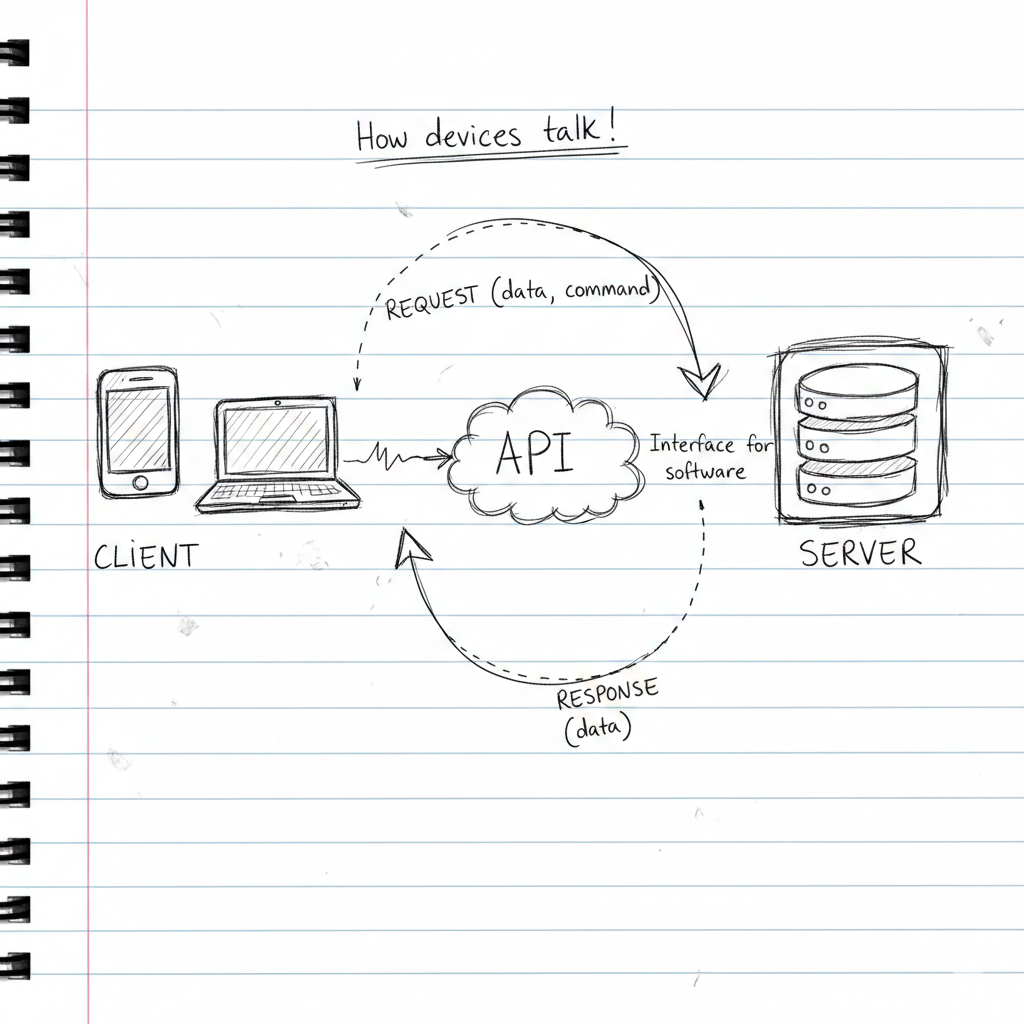
💻 What Is an API? Explained for Beginners (With Real-Life Examples)If you are new to web development, one term you will hear again and again is API. At first, it may sound technical or confusing, but in reality, an API is a very simple concept that we use in daily life without even realizing it.Understanding APIs is an important step for anyone who wants to become a frontend, backend, or full stack developer. Let’s break it down in a simple and practical way.What Is an API?API stands for Application Programming Interface.In simple words, an API is a bridge that allows two different applications or systems to communicate with each other.An API does not show data directly to users. Instead, it works behind the scenes and helps software talk to other software in a controlled and secure way.A Real-Life Example to Understand APIImagine you go to a restaurant.You sit at a table and look at the menuYou tell the waiter what you wantThe waiter goes to the kitchenThe food is prepared and brought back to youIn this example:You are the userThe waiter is the APIThe kitchen is the server or databaseYou don’t go into the kitchen yourself. You communicate through the waiter. Similarly, apps don’t directly access databases. They use APIs.How APIs Work in the Digital WorldLet’s take a common example: a weather app.When you open the app and search for a city:The app sends a requestThe API receives the requestThe server processes the requestThe API sends the response backThe app shows the weather dataAll of this happens in seconds, without you noticing.Why APIs Are ImportantAPIs make modern applications possible. Without APIs, apps would not be able to share data or work together.APIs are important because they:Save development timeImprove securityAllow systems to scaleMake applications flexibleFor example, payment systems, login features, maps, and notifications all work using APIs.APIs for Frontend and Backend DevelopersFor frontend developers, APIs are used to:Fetch data from the serverDisplay user informationShow dynamic contentFor backend developers, APIs are used to:Handle requests from frontend appsSend and receive dataManage authentication and permissionsThis is why APIs are the connection point between frontend and backend.Common Types of APIs (Beginner Friendly)You don’t need to know all types at once, but it’s good to understand the basics.Public APIs – Available for anyone to usePrivate APIs – Used inside a companyWeb APIs – Used in web and mobile appsMost beginner developers work with web APIs while learning backend or full stack development.Is Learning APIs Difficult?No. APIs may sound complex at first, but once you understand the idea, they become very logical.You don’t need advanced knowledge to start. Learning APIs step by step through small projects makes the process easy and practical.The key is understanding how data flows, not memorizing technical terms.Real-World Uses of APIsAPIs are used everywhere:Login with email or social accountsOnline paymentsWeather appsFood delivery appsE-commerce websitesAlmost every modern application depends on APIs in some way.Final ThoughtsAn API is not something to fear. It is simply a communication tool that helps applications work together smoothly.For beginners, understanding APIs is a major confidence booster. It helps you understand how frontend and backend connect and prepares you for real-world development.If you plan to grow as a web developer, learning APIs is not optional—it’s essential.
Tech Desk

💻 Backend Developer Roadmap (2026): Skills You Need to SucceedBackend development is the backbone of modern web applications. While users interact with the frontend, everything that powers the system behind the scenes—data, logic, security, and performance—lives in the backend. As we move toward 2026, the role of backend developers is becoming more important than ever.If you want a stable, high-growth tech career, backend development is a strong choice. This roadmap will help you understand what skills to learn, in what order, and how to build a successful backend career step by step.What Does a Backend Developer Do?A backend developer is responsible for everything users don’t directly see. This includes server logic, databases, APIs, authentication systems, and application performance.In simple terms, backend developers make sure:Data is stored correctlyRequests are processed securelyApplications run fast and reliablySystems scale as users growBackend development is more about logic and problem-solving than visuals, which is why it suits people who enjoy structured thinking.Step 1: Learn Programming FundamentalsBefore choosing any framework, you must understand the basics of programming. In 2026, strong fundamentals matter more than chasing trends.Key concepts to master:Variables and data typesLoops and conditionsFunctions and modular codeError handlingBasic object-oriented conceptsChoose one backend language to start with. Popular options include Python, PHP, or JavaScript. The language itself is less important than learning how backend logic works.Step 2: Understand Backend FrameworksFrameworks make development faster and more organized. They provide ready-made tools so you don’t have to build everything from scratch.Learn one framework deeply instead of many superficially. Focus on:Project structureRouting and controllersModels and data handlingMiddleware and request lifecycleUnderstanding how a framework works internally will make you a better developer, not just a user of tools.Step 3: Master Databases and Data HandlingEvery backend application depends on data. Knowing how to design and manage databases is a must.Start with:Relational databases (tables, rows, relationships)Writing basic queriesData validation and indexingAlso learn the difference between relational and non-relational databases so you know when to use what. Good database design improves performance and prevents future problems.Step 4: Learn APIs and CommunicationModern applications rely heavily on APIs. Backend developers build APIs that allow frontend apps, mobile apps, and third-party services to communicate with the server.You should understand:How APIs workRequest and response flowAuthentication methodsError handling and status codesClear and well-structured APIs are a sign of a skilled backend developer.Step 5: Focus on Security BasicsSecurity is one of the most important backend responsibilities. In 2026, companies expect backend developers to understand basic security principles.Learn about:Input validationAuthentication and authorizationProtecting user dataPreventing common attacksYou don’t need to be a security expert, but you must write safe and responsible code.Step 6: Version Control and ToolsBackend development is rarely a solo job. Teams use tools to collaborate and manage code efficiently.You should be comfortable with:Version control systemsWorking with branchesDebugging toolsBasic deployment conceptsThese skills make you job-ready and professional.Step 7: Build Real-World ProjectsProjects matter more than certificates. Employers want proof that you can build and maintain systems.Start with:A simple API projectA login and authentication systemA CRUD applicationA small real-world backend projectEach project teaches you something new and strengthens your confidence.Career Growth and Salary Outlook (2026)Backend developers are in high demand because strong systems are essential for business success.Career growth usually follows this path:Junior backend developerMid-level backend developerSenior backend developerSystem architect or technical leadSalaries increase with experience, system knowledge, and problem-solving ability. Developers who understand scalability and performance are especially valuable.Is Backend Development Right for You?Backend development is ideal if you:Enjoy logic and structured thinkingLike solving complex problemsPrefer stability over visual designWant long-term career growthIt requires patience and continuous learning, but it offers strong rewards.Final ThoughtsIn 2026, backend development is not about knowing every framework—it’s about understanding how systems work, how data flows, and how to build reliable applications.If you focus on fundamentals, practice regularly, and build real projects, backend development can become a powerful and future-proof career path.
Tech Desk

💻 Full Stack Developer: Skills, Salary & Career Roadmap (2026)In today’s tech-driven world, the demand for full stack developers is growing faster than ever. Companies no longer want developers who know just one side of development. They prefer professionals who understand both frontend and backend and can handle complete web applications.As we move into 2026, becoming a full stack developer is not just a trend—it is a long-term career choice with strong growth, good salary, and global opportunities. But what exactly does a full stack developer do, what skills are required, and how should you plan your career? Let’s understand this step by step.What Is a Full Stack Developer?A full stack developer is someone who can work on both the frontend (what users see) and the backend (how the system works behind the scenes) of a web application.This means a full stack developer understands:User interface and user experienceServer-side logicDatabasesAPIsDeployment and basic system architectureInstead of depending on multiple specialists, companies value developers who can understand the complete picture of a product.Core Skills Required for a Full Stack Developer in 2026To become a successful full stack developer, you don’t need to know everything at once. You need to build skills layer by layer.1. Frontend Skills.Frontend is about creating smooth and user-friendly interfaces.Important backend skills:One backend language (Python, PHP, JavaScript, or Java)Frameworks like Django, Laravel, or Node.jsWorking with APIsAuthentication and authorization logic2. Backend SkillsBackend is the brain of the application.Important backend skills:One backend language (Python, PHP, JavaScript, or Java)Frameworks like Django, Laravel, or Node.jsWorking with APIsAuthentication and authorization logicBackend development focuses on logic, security, and performance.3. Database KnowledgeEvery real application stores data.You should understand:SQL databases like MySQL or PostgreSQLBasic NoSQL concepts like MongoDBData modeling and relationshipsGood database design improves application speed and scalability.4. Tools and Dev SkillsModern developers are expected to know basic tools such as:Git and GitHubDeployment basicsUnderstanding of hosting and serversDebugging and optimizationYou don’t need to be an expert, but you must be comfortable using these tools.Career Roadmap: How to Become a Full Stack Developer (Step-by-Step)Step 1: Start With BasicsBegin with HTML, CSS, and basic JavaScript. This helps you understand how the web works.Step 2: Choose a Direction FirstEither go frontend-first or backend-first. Trying to learn everything at once can be confusing.Step 3: Add the Other SideOnce you’re comfortable with one side, slowly learn the other side.Step 4: Build Real ProjectsProjects matter more than certificates. Build:A portfolio websiteA small CRUD applicationA real-world project like a blog or dashboardStep 5: Learn Best PracticesUnderstand clean code, security basics, and performance optimization.By 2026, developers who focus on fundamentals will outperform those who only follow trends.Salary of a Full Stack Developer in 2026Salary depends on skills, experience, and location, but full stack developers generally earn more because of their versatility.Freshers: Competitive starting salaries compared to single-role developersMid-level developers: Strong growth with experienceExperienced developers: High-paying roles in startups and global companiesFreelancers and remote developers also earn well because full stack skills allow them to handle complete projects independently.Is Full Stack Development Right for You?Full stack development is ideal if:You enjoy learning different technologiesYou like understanding how things work end-to-endYou want flexibility in your careerHowever, it requires patience and continuous learning. Technology changes, but fundamentals remain the same.Final ThoughtsIn 2026, full stack development is not about knowing every tool—it’s about understanding how systems work together. Companies value developers who can think holistically, solve problems, and adapt to change.If you stay consistent, build real projects, and focus on strong fundamentals, full stack development can offer a stable, rewarding, and future-proof career.
Tech Desk

💻 Frontend Developer vs Backend Developer: Which Career Is Better?Choosing between a frontend developer and a backend developer career is one of the most common questions among beginners in web development. Both roles are important, well-paid, and in high demand, but they require different skills, mindsets, and interests.Instead of asking which career is “better,” the smarter question is which role suits you better. Understanding the real differences between frontend and backend development can help you make the right long-term career decision.What Does a Frontend Developer Do?A frontend developer works on the part of a website or application that users directly see and interact with. This includes layouts, colors, buttons, forms, animations, and responsiveness across devices.Frontend developers focus on user experience. Their goal is to make websites visually appealing, easy to use, and fast.Common frontend technologies include HTML, CSS, and JavaScript, along with modern frameworks like React, Vue, or Angular. Frontend work often involves collaboration with designers to convert design ideas into real, working interfaces.If you enjoy creativity, design, and seeing instant visual results from your work, frontend development can be very satisfying.What Does a Backend Developer Do?A backend developer works behind the scenes. Backend development handles how data is stored, processed, and delivered to users. Login systems, databases, APIs, and server logic are all part of backend work.Backend developers focus on performance, security, and scalability. Their work ensures that applications run smoothly, securely, and efficiently.Backend technologies commonly include PHP, Python, JavaScript, or Java, along with frameworks like Django, Laravel, or Node.js. Databases such as MySQL, PostgreSQL, or MongoDB are also essential.If you enjoy logic, problem-solving, and working with data rather than design, backend development may be a better fit.Skills Required: Frontend vs BackendFrontend development requires strong attention to detail and a good sense of design. You need to understand how users think and how small design choices affect usability.Backend development requires logical thinking, structured problem-solving, and patience. You often work on complex systems where mistakes may not be visible immediately but can cause serious issues later.Both roles require continuous learning, but the type of learning is different. Frontend trends change quickly, while backend focuses more on stability and long-term architecture.Career Opportunities and DemandBoth frontend and backend developers are in high demand globally. Companies need frontend developers to build engaging user interfaces and backend developers to create reliable systems.Frontend roles are common in startups, agencies, and product-based companies. Backend roles are especially important in large applications, enterprise systems, and data-driven platforms.Salary levels for both roles are competitive. In many cases, backend developers earn slightly more due to the complexity of backend systems, but this depends heavily on skills, experience, and location.Which Career Is Better for Beginners?For beginners, frontend development often feels easier to start. Learning HTML and CSS allows you to build visible projects quickly, which can be motivating.Backend development may feel harder initially because results are not always visible, but it builds strong technical foundations. Beginners who already know basic programming often prefer backend roles.There is no rule that one path is better than the other. The best choice depends on what excites you and keeps you motivated to learn consistently.Can You Switch or Learn Both?Yes. Many developers start as frontend or backend developers and later become full-stack developers. Learning both sides gives you a deeper understanding of how applications work and increases career flexibility.However, trying to master both at the same time can be overwhelming. It is usually better to focus on one role first and expand later.Final Verdict :So, which career is better: frontend developer or backend developer?There is no single answer. Frontend development is ideal if you enjoy creativity, design, and user interaction. Backend development is better suited for those who enjoy logic, systems, and problem-solving.The best career choice is the one that matches your interests, strengths, and long-term goals. Both paths offer strong career growth, good salaries, and long-term stability if you stay consistent and keep learning.
Tech Desk

क्या भगवान सच में हमारी परीक्षा लेते हैं? जीवन के अनुभवों से समझिए सच्चाईअक्सर जब जीवन में मुश्किलें आती हैं, तब एक सवाल हमारे मन में जरूर आता है — क्या भगवान सच में हमारी परीक्षा लेते हैं?जब मेहनत के बावजूद सफलता नहीं मिलती, अपने लोग साथ छोड़ देते हैं, या हालात हमारे खिलाफ हो जाते हैं, तब यह सवाल और गहरा हो जाता है। कुछ लोग मानते हैं कि यह भगवान की परीक्षा है, तो कुछ लोग इसे जीवन का स्वाभाविक हिस्सा समझते हैं। सच क्या है, इसे समझना जरूरी है।परीक्षा या जीवन का स्वाभाविक क्रम?अगर ध्यान से देखा जाए, तो जीवन हमेशा एक जैसा नहीं रहता। कभी अच्छा समय आता है, कभी बुरा। यह उतार-चढ़ाव हर इंसान की ज़िंदगी में होता है। कई लोग इन कठिन परिस्थितियों को भगवान की परीक्षा मान लेते हैं, क्योंकि इससे उन्हें हालात को स्वीकार करने की ताकत मिलती है।असल में, यह कहना ज्यादा सही होगा कि जीवन हमें परिस्थितियों के माध्यम से परखता है, न कि भगवान सीधे किसी को दुख देने के लिए परीक्षा लेते हैं।कठिन समय इंसान को क्या सिखाता हैजब सब कुछ आसान होता है, तब इंसान अपने अंदर झांकने की जरूरत महसूस नहीं करता। लेकिन जब मुश्किलें आती हैं, तब हमें अपने धैर्य, सोच और निर्णयों को समझने का मौका मिलता है।कठिन समय हमें सिखाता है:धैर्य रखनासही और गलत में फर्क करनादूसरों की भावनाओं को समझनाखुद पर भरोसा करनाइन सीखों को कई लोग भगवान की दी हुई सीख मानते हैं।भगवान पर विश्वास क्यों बढ़ जाता है मुश्किल वक्त मेंअक्सर देखा गया है कि लोग सुख के समय भगवान को कम याद करते हैं, लेकिन दुख के समय उनका सहारा लेते हैं। इसका कारण डर नहीं, बल्कि उम्मीद होती है। जब इंसान खुद को कमजोर महसूस करता है, तब विश्वास उसे मानसिक सहारा देता है।यह विश्वास हमें टूटने से बचाता है और आगे बढ़ने की हिम्मत देता है।क्या भगवान दुख देना चाहते हैं?यह मानना कि भगवान जानबूझकर किसी को दुख देते हैं, शायद सही नहीं है। अगर ऐसा होता, तो हर अच्छा इंसान दुखी और हर गलत इंसान सुखी होता, लेकिन ऐसा नहीं है।जीवन की परिस्थितियाँ कई कारणों से बनती हैं — हमारे फैसले, समय, परिस्थितियाँ और कभी-कभी संयोग। भगवान पर विश्वास इन परिस्थितियों को सहने की शक्ति देता है, न कि उन्हें पैदा करता है।परीक्षा का अर्थ क्या होना चाहिएअगर हम “परीक्षा” शब्द को एक अलग नजरिए से देखें, तो इसका मतलब यह हो सकता है कि:हम कठिन हालात में कैसे सोचते हैंहम टूटते हैं या संभलते हैंहम गलत रास्ता चुनते हैं या सहीइस नजरिए से देखें, तो जीवन हमें रोज़ परखता है, और भगवान पर विश्वास हमें सही रास्ता चुनने की ताकत देता है।निष्कर्ष : तो क्या भगवान सच में हमारी परीक्षा लेते हैं? इसका जवाब हर व्यक्ति अपने अनुभवों से अलग-अलग ढूंढता है।कुछ लोग इसे भगवान की परीक्षा मानकर सहनशील बनते हैं, तो कुछ लोग इसे जीवन की सीख समझते हैं। सबसे जरूरी बात यह है कि कठिन समय हमें कमजोर नहीं, बल्कि अंदर से मजबूत बनाता है।भगवान पर विश्वास हमें दुख से नहीं बचाता, लेकिन दुख से लड़ने की ताकत जरूर देता है — और यही सबसे बड़ी शक्ति है।
Mahakal Ki Diwani

__________________________कठिन समय में भगवान पर विश्वास हमें शक्ति क्यों देता है "हर इंसान की ज़िंदगी में ऐसे पल आते हैं जब सब कुछ ठीक होते हुए भी अंदर से कुछ टूट सा जाता है। कभी हालात बिगड़ जाते हैं, कभी अपने लोग साथ नहीं दे पाते, तो कभी मेहनत के बाद भी परिणाम हमारे पक्ष में नहीं आता। ऐसे समय में इंसान सबसे ज़्यादा कमजोर महसूस करता है। मन में डर, बेचैनी और असमंजस भर जाता है। यहीं से भगवान पर विश्वास की अहमियत शुरू होती है।__________________________जब इंसान थक जाता है, तब विश्वास सहारा बनता हैकठिन समय में इंसान सबसे पहले मानसिक रूप से थकता है। बाहर से वह सामान्य दिख सकता है, लेकिन अंदर से बहुत कुछ झेल रहा होता है। जब हर कोशिश के बाद भी हालात नहीं बदलते, तब भगवान पर विश्वास एक सहारे की तरह काम करता है।यह विश्वास हमें यह महसूस कराता है कि हमारी परेशानी सिर्फ हमारी नहीं है, कोई है जो हमें समझ रहा है। यही एहसास मन को थोड़ा हल्का कर देता है।__________________________विश्वास अकेलेपन को कम करता हैमुसीबत के समय सबसे ज़्यादा जो चीज चुभती है, वह है अकेलापन। कई बार लोग होते हुए भी हम खुद को अकेला महसूस करते हैं। भगवान पर विश्वास हमें यह अहसास दिलाता है कि हम पूरी तरह अकेले नहीं हैं।भले ही कोई इंसान हमारी बात न सुने, लेकिन मन ही मन भगवान से बात करना हमें सुकून देता है। यह सुकून ही अंदर से शक्ति बनकर उभरता है।__________________________भगवान पर भरोसा उम्मीद जगाता हैकठिन समय में उम्मीद टूटना बहुत आसान होता है। जब हर तरफ अंधेरा नजर आता है, तब भगवान पर विश्वास एक छोटी सी रोशनी की तरह होता है। यह विश्वास हमें यह सोचने की ताकत देता है कि यह समय हमेशा नहीं रहेगा।हम यह नहीं जानते कि आगे क्या होगा, लेकिन विश्वास हमें यह यकीन दिलाता है कि आगे कुछ बेहतर भी हो सकता है।__________________________विश्वास मन को शांत करता हैजब दिमाग लगातार सवालों से भरा रहता है — “मेरे साथ ही ऐसा क्यों?”, “अब क्या होगा?” — तब मन बहुत बेचैन हो जाता है। ऐसे समय में भगवान को याद करना, मन ही मन प्रार्थना करना या बस चुपचाप भरोसा रखना मन को शांति देता है।यह शांति समस्याओं को तुरंत खत्म नहीं करती, लेकिन हमें उन्हें संभालने की ताकत देती है।__________________________भगवान पर विश्वास धैर्य सिखाता हैकठिन समय में सबसे कठिन चीज होती है धैर्य रखना। हम चाहते हैं कि सब कुछ तुरंत ठीक हो जाए। भगवान पर विश्वास हमें यह सिखाता है कि हर चीज का एक समय होता है।यह समझ हमें जल्दबाजी में गलत फैसले लेने से बचाती है और हमें सही समय का इंतजार करना सिखाती है।__________________________विश्वास हमें अंदर से मजबूत बनाता हैभगवान पर विश्वास हमें कमजोर नहीं, बल्कि अंदर से मजबूत बनाता है। यह विश्वास हमें हर दिन उठकर फिर से कोशिश करने की हिम्मत देता है। भले ही हालात नहीं बदलते, लेकिन हमारा नजरिया बदलने लगता है।और यही बदलाव हमें टूटने से बचाता है।__________________________विश्वास का मतलब चमत्कार की उम्मीद नहीं,यह समझना बहुत जरूरी है कि भगवान पर विश्वास का मतलब यह नहीं कि कोई चमत्कार होगा और सारी समस्याएं अपने आप खत्म हो जाएंगी। विश्वास का असली मतलब है — हालात को स्वीकार करना, उनसे लड़ने की हिम्मत रखना और खुद को संभालकर आगे बढ़ना।भगवान पर भरोसा हमें यही सिखाता है।__________________________निष्कर्ष :कठिन समय में भगवान पर विश्वास हमें इसलिए शक्ति देता है क्योंकि वह हमारे मन को संभालता है। वह हमें उम्मीद, धैर्य और शांति देता है। यह विश्वास हमें यह याद दिलाता है कि हर अंधेरी रात के बाद सुबह जरूर आती है।भगवान पर विश्वास हमें हालात से नहीं, बल्कि खुद से लड़ने की ताकत देता है — और यही सबसे बड़ी शक्ति है।__________________________🙏 एक छोटी सी बात भगवान पर विश्वास का मतलब यह नहीं कि आप कमजोर हैं। इसका मतलब है कि आप अंदर से मजबूत बनना चाहते हैं।
Mahakal Ki Diwani

🥇 Frontend vs Backend: What Should You Learn First?-------------------------------------------------------When someone starts learning web development, the first confusion usually comes very early: should I learn frontend or backend first? This question is common among students, beginners, and even career switchers. The reason is simple — both frontend and backend are important, but they involve very different skills and ways of thinking.Before choosing one, it is important to understand what frontend and backend actually mean and how they work together in real projects.-------------------------------------------------------🎨 Understanding Frontend DevelopmentFrontend development is everything that users see on their screen when they open a website or an application. This includes layout, colors, buttons, forms, menus, animations, and overall user experience. In simple words, frontend is the “face” of a website.A frontend developer’s job is to make sure the website looks good on all devices and is easy to use. If a website feels smooth, fast, and visually pleasing, frontend work is usually done well.Common technologies used in frontend development are HTML, CSS, and JavaScript. Over time, developers also learn modern frameworks like React, Vue, or Angular to build faster and more interactive applications.Frontend development is usually preferred by people who enjoy design, creativity, and seeing instant visual results. Even small changes in code can immediately be seen on the screen, which makes learning frontend exciting for beginners.-------------------------------------------------------⚙️ Understanding Backend DevelopmentBackend development focuses on the part of a website that users do not see directly. It handles how data is stored, processed, and sent back to users. When you log in to a website, submit a form, or load user data, the backend is doing the heavy work.Backend developers work with servers, databases, authentication systems, and application logic. Their main responsibility is to ensure that the website works correctly, securely, and efficiently behind the scenes.Common backend technologies include languages like PHP, Python, and JavaScript, along with frameworks such as Laravel, Django, or Node.js. Databases like MySQL, PostgreSQL, or MongoDB are also a big part of backend development.Backend development suits people who enjoy logical thinking, problem-solving, and working with data rather than visual design.-------------------------------------------------------⚖️ Key Differences Between Frontend and BackendAlthough frontend and backend work together, their roles are quite different.Frontend focuses on user interface and user experience. Backend focuses on data, logic, and server-side processes. Frontend work is mostly visible and visual, while backend work is mostly hidden but critical for functionality.Frontend developers often deal with browsers and devices. Backend developers deal with servers and databases. Both roles are equally important, and one cannot work properly without the other.-------------------------------------------------------👨💻 What Should Beginners Learn First?For most beginners, starting with frontend development is often easier. Learning HTML and CSS helps beginners understand how websites are structured and styled. Adding JavaScript introduces basic logic and interaction.Frontend gives quick results, which keeps beginners motivated. Seeing your own webpage working on a screen builds confidence and interest.However, this does not mean backend is a bad starting point. Some beginners enjoy backend more because it focuses on logic rather than design. If you like problem-solving, data handling, or already know a programming language like Python or PHP, backend can also be a good first choice.The best starting point depends on your personal interest and learning style.-------------------------------------------------------🔄 Is It Necessary to Learn Both?In the long run, many developers learn both frontend and backend skills. Such developers are called full-stack developers. Knowing both sides gives you a better understanding of how complete web applications work.However, trying to learn everything at once can be confusing. It is better to focus on one side first, build a strong foundation, and then gradually explore the other side.Many successful developers start with frontend, move to backend later, and eventually become comfortable with both.-------------------------------------------------------💼 Career Opportunities and GrowthFrontend developers are in demand for building user-friendly websites and applications. Backend developers are in demand for building secure, scalable, and high-performance systems. Both roles offer good career opportunities.Your career growth depends more on skill quality, experience, and problem-solving ability than on choosing frontend or backend.-------------------------------------------------------💡 ConclusionThere is no single correct answer to whether you should learn frontend or backend first. Frontend is a great choice if you enjoy design, creativity, and quick visual feedback. Backend is a better choice if you enjoy logic, data, and system-level thinking.The smartest approach is to start with what interests you the most. Once you feel confident, you can slowly expand your skills and move toward becoming a full-stack developer. Learning step by step with patience is the key to long-term success in web development.
Tech Desk

💻 PHP vs Django: Which One Is Better for Web Development Today?Choosing the right backend technology is one of the most important decisions in web development. The backend controls how data is processed, stored, and delivered to users. A good backend choice can save development time, reduce costs, and improve long-term performance.PHP and Django are two popular options that developers often compare. Both are powerful, widely used, and capable of building modern websites and web applications. However, the better choice depends on your project requirements, experience level, and future goals.🟦 What Is PHP and Why Is It Still Popular?PHP is a server-side scripting language that has been used in web development for many years. Even today, a large portion of the internet runs on PHP-based systems.PHP is known for its simplicity and wide hosting support. Almost every shared hosting provider supports PHP by default, which makes it a cost-effective choice for small businesses and personal projects.PHP is commonly used to build websites, blogs, admin panels, and content management systems.Key reasons why PHP is still popular:Works on almost every hosting platformEasy to learn for beginnersPowering platforms like WordPress and other CMSHigh demand in freelancing and small business projectsBecause of its low learning curve, many developers start their web development journey with PHP. It allows quick development and fast deployment, especially for simple to medium-sized projects.🟩 What Is Django and Why Developers Prefer It?Django is a high-level web framework built using the Python programming language. Unlike PHP, Django follows a strict structure and focuses heavily on security, scalability, and clean code practices.Django comes with many features built in, such as an admin panel, authentication system, and protection against common security threats. This makes it a strong choice for professional and enterprise-level applications.Django is often used for applications that handle large amounts of data or require long-term maintenance.Key benefits of Django include:Built-in protection against common security issuesClean and maintainable project structureSuitable for large and scalable applicationsEasy integration with AI, data science, and automation tools⚖️ Key Differences Between PHP and DjangoAlthough both are used for backend development, PHP and Django differ in many ways.PHP is a programming language, while Django is a frameworkPHP offers more flexibility but requires discipline for clean codeDjango enforces best practices by defaultPHP is faster to start for simple projectsDjango is better for complex and long-term systems👨💻 Which One Is Better for Beginners?For beginners, PHP is usually easier to learn. It allows new developers to see quick results without dealing with complex concepts. If your goal is to start freelancing or build basic websites, PHP can be a good choice.Django may take more time to learn at first, but it teaches better backend architecture and coding discipline. Beginners who already know Python often prefer Django.🔐 Security and PerformanceDjango provides strong security features by default, making it a safer option for applications that handle sensitive data. PHP can also be secure, but security depends heavily on how the developer writes the code.In terms of performance, both PHP and Django can handle high traffic if optimized properly. Performance depends more on coding quality and server configuration than on the technology itself.💡 ConclusionThere is no single winner in the PHP vs Django comparison. PHP is best for fast development, shared hosting, and small to medium projects. Django is a better choice for secure, scalable, and future-oriented web applications.The right technology depends on your goals, experience level, and project requirements.
Tech Desk

💻 Laravel vs Django: Which Framework Is Better for Modern Web Apps?When building modern web applications, choosing the right framework is an important decision for developers and businesses. A good framework not only saves development time but also helps in building secure, scalable, and maintainable applications.Laravel and Django are two popular backend frameworks that developers often compare. Both are powerful, well-structured, and widely used in real-world projects. However, the better choice depends on your project type, technical background, and long-term goals.🟦 What Is Laravel and Why Is It Popular?Laravel is a PHP-based web framework designed to make web development faster and cleaner. It provides a simple and elegant syntax that helps developers write readable and maintainable code.Laravel comes with many built-in features such as routing, authentication, session handling, and database management. Because of this, developers can focus more on application logic instead of writing repetitive code.Laravel is widely used for business websites, startup projects, admin panels, and REST APIs. Its strong community support and detailed documentation make it a favorite choice for many PHP developers.Key benefits of Laravel include:Built on PHP with a large developer communityFast development using built-in tools and featuresMVC architecture with Blade templatingStrong demand in freelancing and small to medium business projectsBecause of its simplicity and flexibility, Laravel is often chosen for projects where speed and ease of development are important.🟩 What Is Django and Why Developers Choose It?Django is a high-level web framework built using the Python programming language. It follows a strict and organized structure and focuses strongly on security and scalability.Django is known for its “batteries included” philosophy. It provides many features by default, such as an admin panel, authentication system, and protection against common security threats.Django is commonly used for large-scale applications, data-driven platforms, and systems that require long-term stability and performance. It is also a popular choice for projects involving AI, machine learning, and data analysis.Key advantages of Django include:Built-in security protectionsClean and maintainable project structureIdeal for large and data-driven applicationsEasy integration with AI and data-related tools⚖️ Key Differences Between Laravel and DjangoWhile both frameworks are powerful, they differ in several important areas.Laravel is based on PHP, while Django is based on PythonLaravel focuses on developer flexibility and ease of useDjango enforces strict structure and best coding practicesLaravel is quicker to start for beginnersDjango is better suited for complex and long-term systems👨💻 Which One Is Better for Beginners?For beginners, Laravel is often easier to learn, especially for those who already have basic knowledge of PHP. It allows developers to build working applications quickly with less setup.Django may take more time initially, but it helps developers learn proper backend architecture and disciplined coding practices. Beginners who already know Python often prefer Django.🔐 Security and PerformanceDjango provides strong security features by default, making it a safer option for applications that handle sensitive data. Laravel is also secure, but developers need to carefully follow best security practices.In terms of performance, both frameworks can handle high traffic if implemented correctly. Performance depends more on code quality and server optimization than on the framework itself.💡 ConclusionThere is no single winner in the Laravel vs Django comparison. Laravel is best for fast development, flexible projects, and PHP-based ecosystems. Django is a better choice for secure, scalable, and future-oriented web applications.The right framework depends on your project needs, experience level, and long-term vision.
Tech Desk
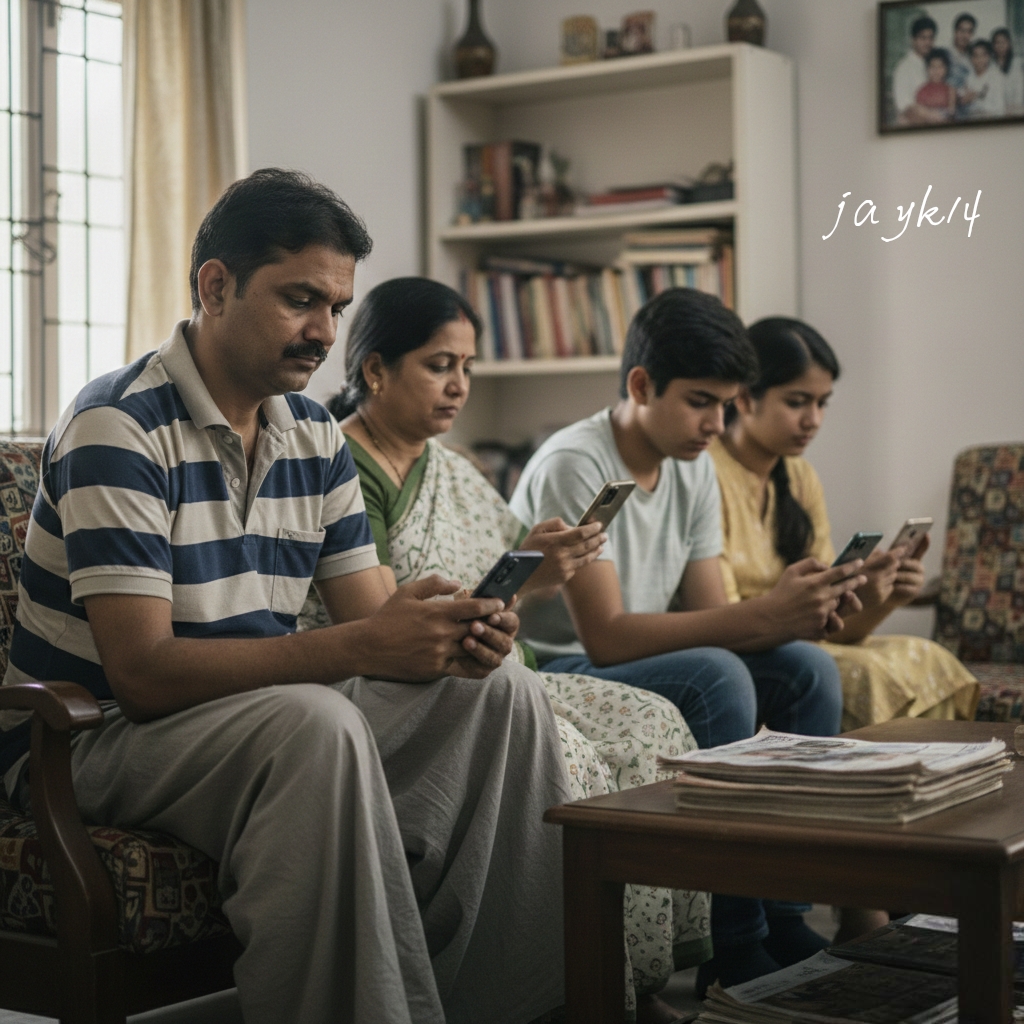
📱 Social Media Ne Hamare Rishton Ko Kab Aur Kaise Badal Diya Kabhi socha hai ki hum itne connected hone ke bawajood bhi aaj kal zyada akela kyun mehsoos karte hain? Social media ne hume duniya se jod diya, lekin dheere-dheere hamare real rishton par bhi iska asar padne laga. 👨👩👧👦 Parivaar Par Social Media Ka Asar Aaj ek hi ghar me rehne ke bawajood parivaar ke log ek dusre se kam aur apne mobile screen se zyada jude rehte hain. Baithak aur khane ki table par baat-cheet kam hoti ja rahi hai. 📵 Saath baith kar bhi sab phone me busy rehte hain 💬 Maa-baap aur bachchon ke beech baat kam hoti ja rahi hai ⏳ Quality family time dheere-dheere khatam ho raha hai 🤝 Dosti Me Aaya Badlav Pehle dosti ka matlab hota tha saath waqt bitana, baat karna aur ek dusre ka haal chaal lena. Aaj dosti sirf likes, stories aur short messages tak simat kar reh gayi hai. 📲 Online dosti zyada, real meeting kam 👀 Seen ke baad reply nahi milta 💔 Dosti me gehraai kam hoti ja rahi hai ❤️ Relationship Aur Comparison Ki Problem Social media par dikhne wali perfect life aur couples logon ko apni real zindagi se compare karne par majboor kar dete hain. Is wajah se rishton me dissatisfaction aur tension badhne lagti hai. 📸 Perfect dikhne ka pressure 😔 Apne relationship se khush na rehna ⚖️ Bina wajah comparison karna 😔 Connected Rehkar Bhi Akelapan Aaj logon ke paas hazaron followers hain, lekin dil ki baat sunne wala koi khaas nahi hota. Likes aur comments mil jaate hain, par wo sukoon nahi milta jo kisi apne ke saath baat karne se milta hai. ⚖️ Kya Galti Sirf Social Media Ki Hai? Sach ye hai ki social media khud galat nahi hai. Problem tab hoti hai jab hum uska use limit se zyada karne lagte hain aur real rishton ko time dena kam kar dete hain. ✅ Rishton Ko Balance Me Kaise Rakhein 📴 Ghar me thoda phone-free time rakhein 🗣 Apno se saamne baith kar baat karein ⏰ Social media use ki limit set karein ❤️ Real rishton ko priority dein 💡 Conclusion Social media ne hume duniya se jodne ka kaam to kiya, lekin agar hum savdhaan na rahein to ye hume apno se door bhi kar sakta hai. Zarurat is baat ki hai ki hum technology aur rishton ke beech sahi balance banayein.
Tech Desk

🎂 Aaj Mere Bete Ka Janmdin Hai – Ek Papa Ka Dil Se Paigam Hello dosto, aaj mere liye zindagi ka ek bahut hi khaas din hai, kyunki aaj mere bete ka janmdin hai. Is mauke par main aapse bas itna hi kehna chahta hoon ki aap sab apna pyaar aur aashirwad us par banaye rakhein, taaki wo aage jaakar zindagi me khoob tarakki kare aur ek achha insaan bane. 👶 Bete Ki Muskaan Hi Sabse Badi Khushi Jab main apne bete ko muskurate hue dekhta hoon, to lagta hai jaise meri saari thakaan aur pareshaaniyaan khud-b-khud khatam ho jaati hain. Ek chhota sa bachcha apni masoom si baaton aur harkaton se poore ghar ko khushiyon se bhar deta hai. Aaj ke is khaas din par uski aankhon me jo chamak hai, wahi mere liye sabse badi achievement hai. 👨👩👦 Parivaar Aur Sanskaar Ka Mahatva Bachchon ke liye parivaar aur sanskaar sabse badi taqat hote hain. Janmdin jaise mauke par sirf cake kaatna hi kaafi nahi hota, balki ye ek zimmedari bhi hoti hai ki hum apne bachchon ko sahi raasta dikhayein. Main chahta hoon ki mera beta hamesha sachai, mehnat aur imandari ke raaste par chale. 📚 Shiksha Aur Mehnat Se Aage Badhne Ka Sapna Har maa-baap ka ek hi sapna hota hai ki unka bachcha padhe, likhe aur apne pairon par khada ho. Main bhi yehi dua karta hoon ki mera beta shiksha ke maidan me aage badhe, naye sapne dekhe aur unhe poora karne ke liye mehnat kare. Sirf safalta hi nahi, balki insaniyat bhi uski pehchaan bane – ye meri sabse badi ichha hai. 🙏 Aap Sab Ka Aashirwad Sabse Keemti Is blog post ke zariye main aap sabse haath jod kar nivedan karta hoon ki mere bete ko apna pyaar aur aashirwad dein. Aapki ek achhi dua bhi kisi bachche ke future ko roshan kar sakti hai. Aaj ka din mere parivaar ke liye sirf ek celebration nahi, balki ek nayi umeed aur naye sapno ki shuruaat hai. ✨ Ant Mein Dil Se Dua Bhagwan mere bete ko lambi umar de, hamesha swasth rakhe aur zindagi ke har mod par safalta de. Main poori koshish karunga ki main ek achha pita ban sakoon aur use zindagi ke har sahi galat ka matlab samjha sakoon. Aap sabka dil se dhanyavaad jo aapne mera ye personal pal padha aur apni duaon me mere bete ko yaad rakha.
Abhishek Kumar

📱 Mobile Phone: Zarurat Se Zyada AadatAaj kal mobile phone humari zindagi ka ek natural hissa ban gaya hai. Shuruaat me hum ise sirf zarurat ke liye use karte the – calls, messages, thodi browsing. Lekin dheere-dheere ye aadat me badal gaya. Kabhi pata hi nahi chalta ki hum kitna time screen ke samne bita rahe hain.⚠️ Mobile Overuse Ka AsarMobile ka zyada use sirf time waste nahi karta, balki mental health, productivity aur social life par bhi effect dalta hai.🧠 Mental Stress: Notifications aur social media updates dimaag ko restless kar dete hain.🎯 Focus Kam Hona: Kaam ya padhai me attention lagana mushkil ho jata hai.😴 Neend ki Problem: Late-night scrolling se sleep disturb hoti hai aur health affect hoti hai.🔍 Signs Ki Aap Overuse Kar Rahe HainKya aap notice karte ho ki:Bina reason phone check karte ho?Social media scroll karte karte time ka pata hi nahi chalta?Phone ke bina ek waqt bhi bore feel karte ho?Agar haan, to ye clear sign hai ki aapka phone use healthy limit se zyada ho gaya hai.✅ Mobile Use Ko Balance Karne Ke TipsYahan kuch simple aur practical tips hain:🔔 Notifications limit karein: Sirf important apps ke alerts rakhein.⏱ Screen Time set karein: Apne liye daily limit banayein aur stick karein.📖 Offline activities: Reading, walking, ya hobby me time spend karein.🚫 Phone-free zones: Bedroom ya dining table me phone na le jaayein.💡 ConclusionMobile phone hamare liye ek zaruri tool hai, lekin ye hamesha aadat ya dependency ka source nahi hona chahiye. Agar hum aware ho kar use karein aur apne time ko balance karein, to hum productive, focused aur mentally healthy life enjoy kar sakte hain.
Tech Desk
Join the JAYK14 community and share your blogs, tutorials, and knowledge with thousands of learners. Empower others while showcasing your skills.
Contact Us & Get Started