
Loading...
Loading...
Learn real-world coding, automation, productivity hacks and tech skills written by developers, creators and learners on JAYK14. Not theory — only experience-based knowledge.
Search tutorials, coding blogs, automation guides and real-world experiences shared by the JAYK14 community.
Learn, share & grow with real-world tutorials and experiences on JAYK14.

Why Young People Have Back Pain in Their 20sBack pain is something we usually associate with older age. But today, more and more people in their early 20s complain about back stiffness, lower back pain, or shoulder discomfort. This wasn’t very common 10–15 years ago, so the obvious question is — why is this happening now?The truth is, it’s not because our bodies have suddenly become weaker. It’s because our lifestyle has completely changed.1. Sitting is the New Default (Not Moving Enough)Most young people spend almost the entire day sitting — sitting in college, sitting at home, sitting during gaming, scrolling, or working on laptops.The human body is designed to move. When you sit for long hours without breaks:Muscles become tightSpine loses flexibilityBlood flow reducesPosture becomes curvedThis slow tension builds up and shows up as back pain later.2. Phones and Laptops Changed Our PostureTechnology helped a lot, but it changed how we use our body.Common posture mistakes among young people:Neck bent forward while looking at phoneShoulder rounding while typingSlouching on bed while using laptopLong gaming hours without stretchingEven 2–3 hours everyday is enough to cause:Neck strainUpper back painLower back tightnessThis is not “disease”, it’s simply postural stress.3. Weak Core Muscles (Because We Don’t Use Them)Our parents and grandparents walked more, did physical chores, and moved naturally. Today, everything is done through clicks and deliveries.The core muscles (abdomen + lower back) are responsible for supporting the spine. When these muscles become weak:The spine carries more loadSitting feels uncomfortableLower back pain increasesWeak muscles + long sitting is one of the biggest modern reasons behind back pain.4. Gym Without Guidance (Wrong Training)Many 20-year-olds go to the gym, which is good. But without knowing basics, they:Lift heavy weights with bad formIgnore warm-upsSkip stretchingDo only chest & arms and ignore back musclesThis creates muscle imbalance and leads to back discomfort.Gym is not the problem — improper training is.5. Stress and Lack of Sleep Affects the Body TooBack pain isn’t always physical. Young people today deal with:Study pressureJob pressureUncertaintyCompetitionSocial media stressStress causes muscles to stay tight, especially around the neck, shoulders, and lower back. Poor sleep slows recovery and increases pain sensitivity.That’s why some people say:“My back hurts more during exams or work deadlines.”It’s not imagination — the connection is real.6. Modern Lifestyle Has Reduced Natural MovementEarlier, people would:Walk to shopsSit on floorBend and lift thingsTravel on bicyclesNow we:Order food onlineSit on chairs and sofasTake cabs/bikes everywhereAvoid small movementsSitting is comfortable but movement keeps the spine healthy.7. Lack of AwarenessMost 20-year-olds don’t think about their body at all. Pain is ignored until it becomes noticeable.Simple habits like:StretchingStrengthening coreMaintaining postureTaking breaksProper sleep…can prevent a lot of back issues, but nobody talks about them in school or college.So What Can You Do to Prevent Back Pain?You don’t need medicines or expensive physiotherapy to start fixing the basics.Small changes help a lot:✔ Move every 30–60 minutesEven 2–3 minute walking breaks help.✔ Fix posture habitsKeep screens at eye level instead of bending your neck.✔ Strengthen your coreSimple exercises like:PlanksBridgesBird-dogBodyweight squatshelp support the spine.✔ Stretch your hip and backMost tightness comes from:Hip flexorsHamstringsLower back musclesStretching improves flexibility.✔ Sleep properlyDeep sleep helps the body repair tissues.✔ Be mindful at the gymLift light, learn form first, then increase weight.Final ThoughtsBack pain in the 20s is not a sign of aging or illness — it’s a silent message from the body saying:“You’re not using me the way I’m meant to be used.”With a few healthy habits, most young back pain improves naturally. Your body is not against you — it just needs movement, strength, and rest.
 Health Desk
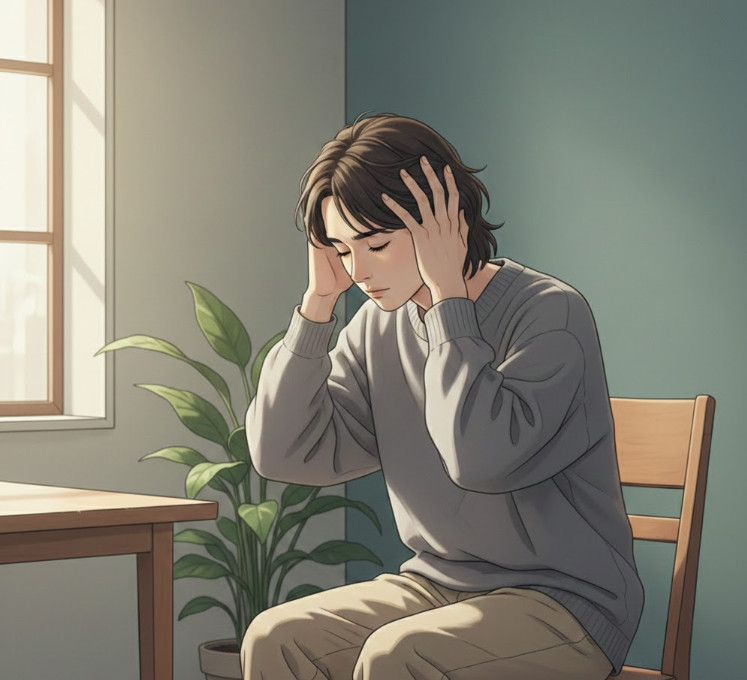
Why Stress Affects Your Body More Than You RealizeStress has become so common in daily life that many people no longer notice it. Work pressure, money worries, family responsibilities, phone notifications, future tension — it all adds up.Most people think stress is only “mental.” But the truth is, stress affects the body much more deeply than we realize.You may not feel sick, but your body feels different — tired, heavy, restless, or weak. This is not a coincidence.Stress Is Not Just in the MindWhen you feel stressed, your body reacts automatically.It releases stress hormones like cortisol and adrenaline. These hormones are helpful for short-term danger, but harmful when stress becomes constant.Long-term stress slowly starts affecting:MusclesDigestionSleepHeartImmunityThe body stays in “alert mode” even when there is no real danger.How Stress Shows Up in the BodyStress rarely comes with one clear symptom. Instead, it spreads quietly.Common physical signs of stress include:Constant tirednessHeadaches or body painTight neck and shouldersPoor sleepDigestive problemsLow energyFeeling heavy without illnessMany people ignore these signs, thinking they are “normal.”Stress and Muscle TensionWhen you are stressed, your muscles stay tight without you noticing.This leads to:Neck painBack painJaw tightnessBody stiffnessEven after resting, the body doesn’t feel relaxed. That’s why stress-related pain feels confusing — there is no injury, yet the pain is real.Stress Affects Digestion More Than You ThinkThe stomach is very sensitive to stress.Stress can cause:Slow digestionGas and bloatingLoss of appetiteOvereatingStomach discomfortThis happens because the body focuses on “survival” instead of digestion.A stressed mind often creates an unhealthy gut.Sleep and Stress Are Deeply ConnectedStress is one of the biggest reasons behind poor sleep.Even if you sleep for 7–8 hours:The sleep may not be deepThe mind stays activeThe body doesn’t fully recoverThat’s why many people wake up tired even after “enough” sleep.Rest without relaxation does not heal the body.Stress Weakens the Immune SystemLong-term stress slowly weakens your immunity.This can lead to:Frequent coldsSlow recoveryConstant weaknessThe body spends energy dealing with stress instead of protecting itself.You may not fall seriously ill, but you don’t feel fully healthy either.Why We Don’t Realize Stress Is the CauseStress doesn’t announce itself clearly.It hides behind:Busy schedules“Normal tiredness”Daily responsibilitiesScreen addictionPeople often treat symptoms instead of addressing stress itself.But unless stress is managed, the body keeps reacting.Simple Ways to Reduce Stress NaturallyYou don’t need drastic changes. Small daily habits can make a big difference.Try these:Take short breaks from screensWalk for 15–20 minutes dailyPractice deep breathing or silenceSleep and wake up at fixed timesEat slowly and mindfullySpend time in natural lightTalk about your feelings instead of holding them insideStress reduces when the body feels safe and relaxed.When Stress Needs AttentionIf stress:Lasts for monthsStarts affecting daily lifeCauses constant physical discomfortThen it’s important to take it seriously and seek proper support.Ignoring stress doesn’t make it go away — it makes it louder.Final ThoughtsStress is not always visible, but its effects are real.Your body remembers what your mind goes through.If you feel tired, heavy, or uncomfortable without a clear reason, stress might be the message your body is trying to send.Listening early can save a lot of pain later.
Health Desk
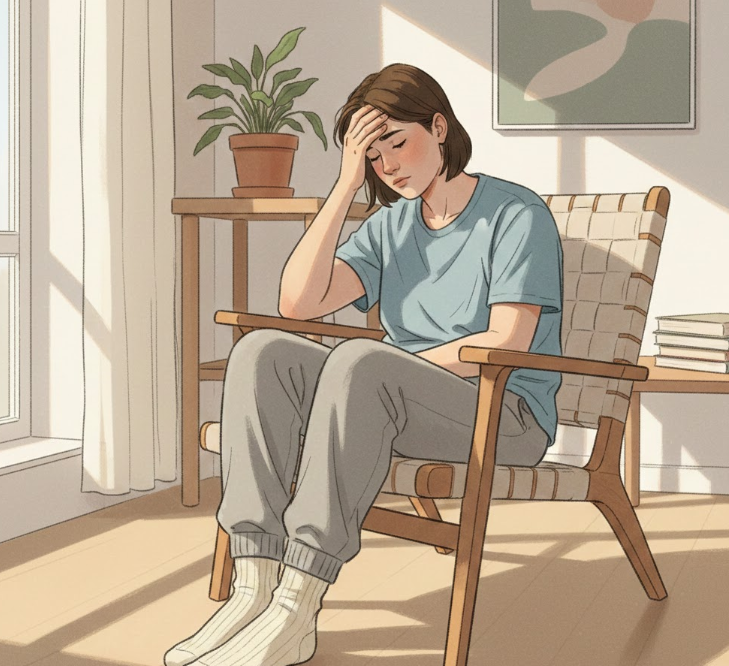
Why Your Body Feels Heavy Even When You Are Not SickMany people say this sentence almost every day: “I don’t know why, but my body feels heavy.”There is no fever. No serious illness. No clear pain.Still, the body feels slow, tired, and uncomfortable.This feeling is very common today — and most of the time, it is not a disease, but a lifestyle signal your body is trying to send.Let’s understand this in a simple and honest way.1. Poor Sleep Quality (Not Just Less Sleep)You may be sleeping 7–8 hours, but still wake up tired.Why?Late-night mobile usageIrregular sleep timingMental stress before sleepWhen sleep is not deep, the body doesn’t repair itself properly. As a result, muscles feel tight and the body feels heavy the next day.👉 Quality of sleep matters more than hours.2. Dehydration You Don’t NoticeMany people drink very little water without realizing it.Signs of mild dehydration:Heavy body feelingDry mouthLow energySlight headacheTea, coffee, and soft drinks do not replace water.👉 Even mild dehydration can make your body feel slow and dull.3. Lack of Daily MovementSitting for long hours is one of the biggest reasons behind body heaviness.If you:Sit for most of the dayRarely stretchAvoid walkingBlood circulation slows down. Muscles become stiff. The body starts feeling lazy and heavy.👉 The body is designed to move, not to sit all day.4. Mental Stress and OverthinkingStress doesn’t stay only in the mind — it shows up in the body.When you are stressed:Muscles stay tenseBreathing becomes shallowEnergy drains fasterEven if you are physically fine, mental load can make the body feel tired.👉 A tired mind often creates a heavy body.5. Irregular Eating HabitsSkipping meals, overeating, or eating at random times affects digestion.Common issues:Heavy meals at nightToo much junk foodEating fast without chewingPoor digestion creates:BloatingLazinessFull-body discomfort👉 Your body reflects what and how you eat.6. Too Much Screen TimeLong screen time affects more than just the eyes.It causes:Mental fatiguePoor postureNeck and shoulder stiffnessAll of this adds to a feeling of overall heaviness.👉 Digital fatigue is real, even if you don’t feel “sick.”7. Lack of Sunlight and Fresh AirStaying indoors all day reduces:Vitamin D exposureOxygen intakeNatural energy levelsFresh air and sunlight help the body feel lighter and more active.👉 Sometimes, the body just needs the outside world.How to Feel Light and Energetic Again (Naturally)You don’t need medicines for most cases. Try these simple habits:Drink enough water throughout the daySleep and wake up at fixed timesWalk or stretch daily (even 15–20 minutes)Reduce screen time before bedEat simple, home-cooked foodSpend a few minutes in sunlightCalm your mind with silence or deep breathingSmall changes create big results over time.When Should You Be Careful?If body heaviness:Lasts for many weeksGets worse day by dayComes with pain, fever, or dizzinessThen it’s important to consult a medical professional.But for most people, this feeling is a wake-up call, not a warning sign.Final ThoughtsFeeling heavy doesn’t always mean you are sick. Most of the time, it means your body is asking for:Better careBetter routineBetter balanceListen to these signals early. Your body speaks quietly — until it is forced to shout.
Health Desk
New Year Healthy Habits: A Simple 7-Day Plan to Start the Year RightThe beginning of a new year is the best time to reset your body and mind. But most people fail because they try to change everything at once.This 7-day plan is different. It focuses on small, practical habits that anyone can follow—students, working people, and even beginners.You don’t need a gym, fancy diet, or strict routine. Just consistency.Day 1: Fix Your Sleep RoutineHealth starts with sleep.On Day 1:Sleep early (try before 11 PM)Avoid phone 30 minutes before bedWake up naturally if possibleGood sleep improves:EnergyMoodDigestionFocus👉 Tip: Even one good night of sleep makes a big difference.Day 2: Start Your Morning with WaterMost people begin the day with tea or coffee. Instead, give your body water first.On Day 2:Drink 1–2 glasses of warm water after waking upYou may add lemon (optional)Eat breakfast on timeThis helps:DigestionMetabolismSkin health👉 Small habit, big long-term impact.Day 3: Move Your Body GentlyYou don’t need intense workouts.On Day 3:Take a 15–20 minute walkDo light stretchingAvoid sitting for long hoursMovement improves:Blood circulationJoint flexibilityMental clarity👉 Consistency matters more than intensity.Day 4: Eat Simple, Home-Cooked FoodHealth is not about dieting, it’s about balance.On Day 4:Avoid junk foodEat home-cooked mealsAdd fruits or vegetablesTry to:Eat slowlyStop overeatingListen to your body👉 Simple food keeps digestion calm and energy stable.Day 5: Take Care of Your Mental HealthA healthy body needs a peaceful mind.On Day 5:Sit quietly for 5–10 minutesReduce negative newsAvoid unnecessary argumentsYou can:Breathe deeplyWrite your thoughtsSpend time alone👉 Mental rest is as important as physical rest.Day 6: Reduce Screen TimeToo much screen time affects sleep, eyes, and focus.On Day 6:Reduce mobile usageAvoid phone during mealsTake breaks from screensInstead:Read a bookGo for a walkTalk to family👉 Less screen = better sleep and clarity.Day 7: Reflect and ResetThe final day is about awareness, not pressure.On Day 7:Think about what felt good this weekNotice small improvementsDon’t judge yourselfAsk yourself:Which habit was easiest?Which one helped the most?👉 Health is a journey, not a competition.How to Continue After 7 DaysAfter one week:Keep 2–3 habits dailyDon’t try to be perfectBe kind to yourselfHealthy habits grow slowly, but they stay longer.ConclusionThis 7-day plan is not about changing your life overnight. It’s about starting gently, building awareness, and creating balance.If you follow these simple habits, you will feel:More energeticLess stressedMore in control of your healthA healthy year begins with small steps—and you’ve already taken the first one.
Health Desk
Morning Walk vs Evening Walk: Which Is Better for Your Body?Walking is one of the simplest and most effective exercises. No gym, no equipment, no heavy routine — just you and your body in motion.But many people are confused about one thing: Is a morning walk better or an evening walk more effective?The truth is, both have benefits. The better choice depends on your body, routine, and lifestyle.Let’s understand this in a clear and practical way.🌅 What Makes a Morning Walk Special?Morning walk is often linked with freshness and discipline. After a good night’s sleep, the body is relaxed and ready to move.✅ Benefits of Morning WalkBoosts energy for the whole dayImproves focus and moodHelps build a fixed daily routineSupports better digestionEncourages early sleep habitMany people feel more positive and calm after a morning walk because the mind is fresh and distractions are fewer.🌇 What Makes an Evening Walk Useful?Evening walk helps release the stress collected throughout the day. After work or daily responsibilities, walking acts like a mental reset.✅ Benefits of Evening WalkReduces daily stressRelaxes stiff musclesImproves blood circulationHelps clear the mindEasy to maintain after workFor people with desk jobs or long working hours, evening walks feel more natural.⚖️ Morning Walk vs Evening Walk – Real Comparison🕒 Energy LevelsMorning: Gives fresh energyEvening: Releases tiredness🧠 Mental HealthMorning: Builds discipline and positivityEvening: Relieves stress and anxiety⏰ ConsistencyMorning: Requires strong routineEvening: Easier for most people🌙 Sleep ImpactMorning: Improves sleep cycleEvening: Helps sleep if done early🚶♂️ Which Is Better for Weight Control?Walking supports weight management at any time of day. What matters more is regularity, not timing.Morning walk helps start metabolism earlyEvening walk helps burn stress-related fatigueConsistency beats timing every time.🧠 What Science and Experience SayThere is no single “perfect” time for walking. The human body benefits from movement whenever it happens.People who walk daily — morning or evening — are:More activeLess stressedMore consistentSkipping walks because of timing confusion is the real problem.🇮🇳 Indian Lifestyle RealityIn India:Early mornings are peacefulEvenings are social and relaxedSome people cannot wake up early due to:Late work hoursFamily responsibilitiesTravelFor them, evening walk is a practical and sustainable choice.💡 The Best Answer (Honest & Simple)👉 The best walk is the one you do every day.If you enjoy mornings → walk in the morning If evenings suit you → walk in the eveningHealth comes from habit, not the clock.🧾 Final ConclusionMorning walk and evening walk both support:Better healthActive lifestyleStress controlThere is no competition between them. Your body does not care about the time — it cares about movement.Choose the time that fits your life and stick to it.That’s how real health is built.
Health Desk
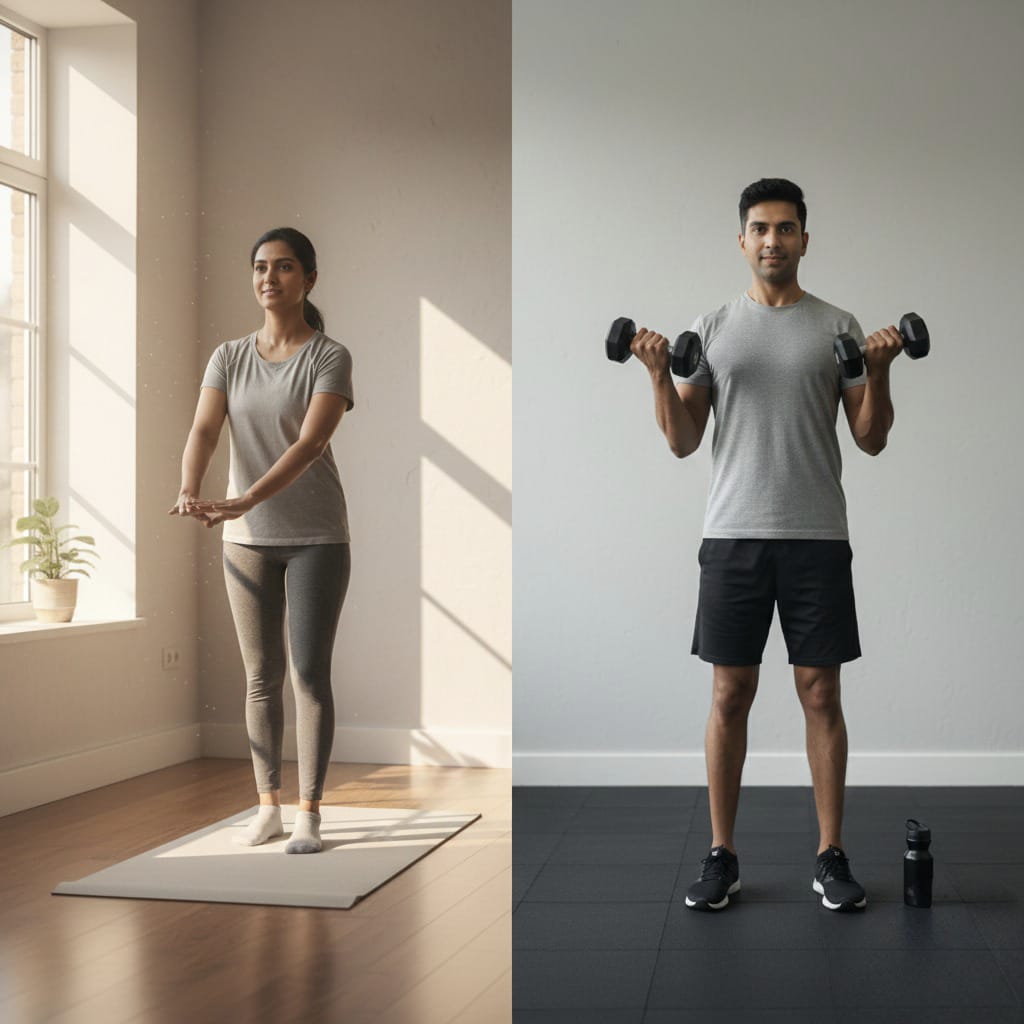
Daily Stretching vs Gym Workout: Which One Is Better for Long-Term Health?Aaj ke busy life me har koi healthy rehna chahta hai, lekin sabke paas gym jaane ka time, paisa ya energy nahi hoti. Isi wajah se log aksar confused ho jaate hain:Roz thodi stretching karna better hai ya proper gym workout? Aur long-term health ke liye kaunsa zyada faydemand hai?Is sawal ka jawab ek line me nahi hai, kyunki dono ke apne fayde hain. Chaliye simple aur practical tareeke se samajhte hain.What Is Daily Stretching?Daily stretching ka matlab hota hai:Body ko gently move karnaMuscles ko loose aur flexible rakhnaBina heavy exercise ke body ko active rakhnaStretching aap:Subah uthkarOffice break meYa sone se pehle bhi kar sakte hoIske liye na gym chahiye, na equipment.Daily Stretching Ke FaydeRoz thodi stretching karne se:Body stiffness kam hoti haiNeck, back aur shoulder pain me relief milta haiBlood circulation improve hota haiPosture better hota haiStress aur mental tension kam hoti haiEspecially jo log:Desk job karte hainZyada der phone ya laptop use karte hain Unke liye stretching bahut useful hoti hai.What Is a Gym Workout?Gym workout ka matlab hota hai:Strength trainingCardio exercisesWeight liftingStructured fitness routineGym ka main focus hota hai:Muscle strength badhanaStamina improve karnaBody shape aur weight controlGym workouts usually thode intense hote hain aur discipline maangte hain.Gym Workout Ke FaydeRegular gym workout se:Muscles strong hote hainWeight control me madad milti haiHeart health better hoti haiEnergy level badhta haiConfidence improve hota haiJo log:Physically demanding kaam karte hainYa proper fitness goal rakhte hain Unke liye gym workout effective hota hai.Daily Stretching vs Gym Workout: Real ComparisonStretching:Easy to startLow risk of injurySab age group ke liye suitableConsistency easy hoti haiGym Workout:Fast results (agar sahi tarike se kiya jaye)Discipline aur guidance chahiyeInjury ka risk hota hai agar galat kiya jayeTime aur cost zyada hoti haiLong-Term Health Ke Liye Kya Better Hai?Agar long-term health ki baat karein, to sach ye hai:👉 Consistency > IntensityRoz ki thodi stretching:Body ko saalon tak functional rakhti haiJoint problems ka risk kam karti haiAge ke saath mobility maintain karti haiGym workout:Tab zyada effective hota hai jab aap sahi form, rest aur diet follow karoOvertraining ya gap lene se problem ho sakti haiIsliye jo log gym start karke chhod dete hain, unke liye daily stretching zyada sustainable hoti hai.Best Approach: Dono Ka BalanceSabse best solution ye hai:Daily stretching ko habit bana loGym workout ko optional tool samjhoAgar aap:Roz 10–15 minute stretchingAur week me 3–4 din light workout kar lete ho, to body naturally healthy rehne lagti hai.Indian Lifestyle Ke Liye RealityIndia me:Long working hoursTravel stressIrregular routineIsliye har koi hardcore gym follow nahi kar sakta. Par daily stretching almost har koi kar sakta hai.Health ka matlab sirf muscles nahi, pain-free, flexible aur active life bhi hoti hai.Final ConclusionDaily stretching aur gym workout dono apni jagah sahi hain. Lekin agar aap long-term health, comfort aur sustainability chahte ho:👉 Daily stretching is more important 👉 Gym workout ek additional support haiSabse zaroori baat: Jo aap roz kar sako, wahi best exercise hai.
Health Desk
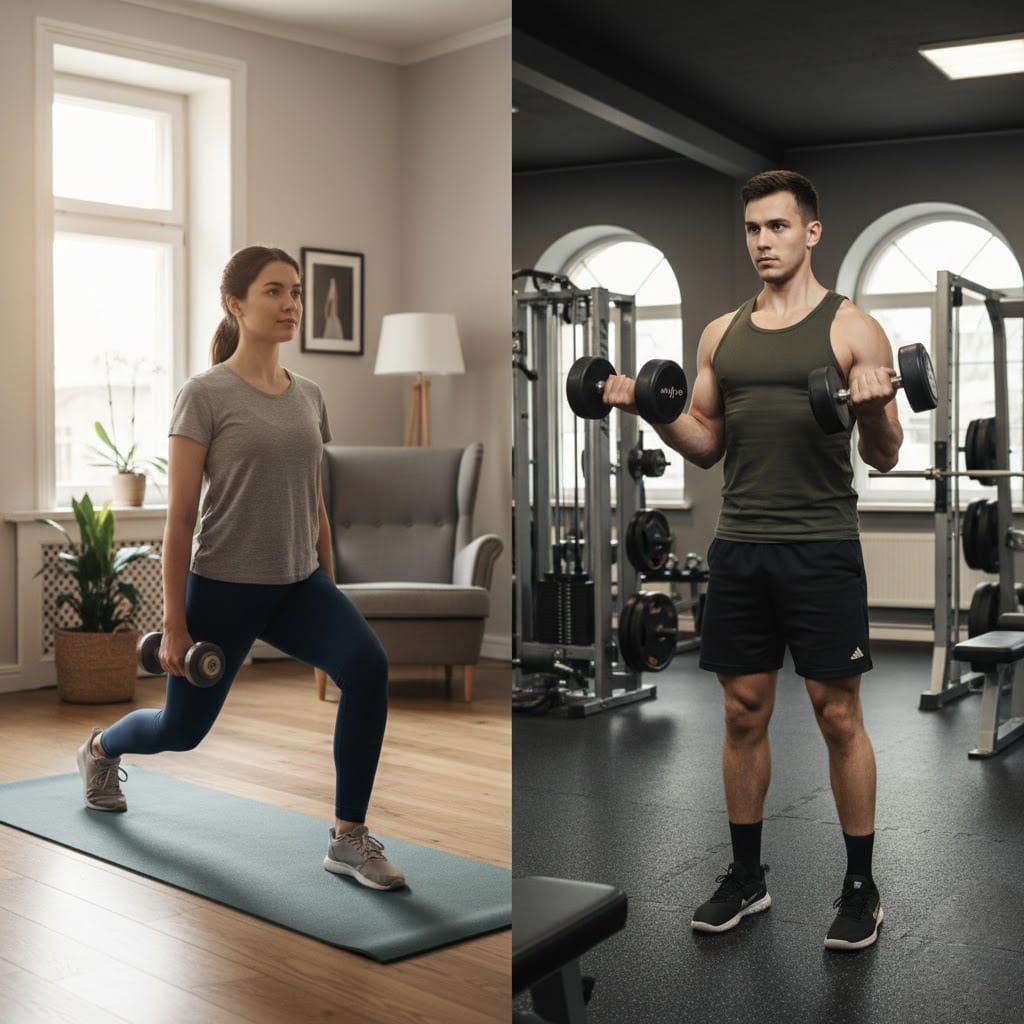
🏠 Home Workout vs 🏋️ Gym Workout: Which Is Better for Beginners?When someone decides to start a fitness journey, one common question comes to mind: Should I work out at home or join a gym?Both options are popular, both have benefits, and both can improve health if done correctly. But for beginners, choosing the right option is important because it affects motivation, consistency, and long-term results.Let’s understand this comparison in a simple and realistic way.🏠 What Is a Home Workout?A home workout means exercising at home without professional gym equipment. It usually includes body-weight exercises, stretching, yoga, basic cardio, or light dumbbells.Many people choose home workouts because they are simple, flexible, and cost-effective.Benefits of Home WorkoutNo gym fees or travel costCan exercise anytimeComfortable and private environmentGood for beginners and shy peopleEasy to stay consistentHome workouts are especially useful for people who want to start slowly or have a busy daily schedule.🏋️ What Is a Gym Workout?A gym workout involves exercising in a fitness center using machines, weights, and structured workout plans. Gyms also provide a social environment and professional guidance.People who want faster strength and muscle gains often prefer gym workouts.Benefits of Gym WorkoutAccess to professional equipmentStructured workout routinesTrainer support (if available)Motivating environmentBetter muscle targetingGym workouts are more intense and focused, which can help achieve specific fitness goals faster.⚖️ Home Workout vs Gym Workout: Key DifferencesThe main difference between home and gym workouts is environment and intensity.Home workouts are flexible and low pressureGym workouts are structured and high intensityHome workouts focus on habit buildingGym workouts focus on performance and growthBoth methods work, but in different ways.👶 Which Is Better for Beginners?For beginners, home workouts are often a better starting point.Why?Less pressureLower risk of injuryEasier to stay regularHelps build basic fitness habitsStarting at home allows beginners to understand their body and limits before moving to intense training.💪 When Is Gym Workout a Better Choice?Gym workouts are better if:You already have basic fitnessYou want muscle gain or fat lossYou enjoy structured routinesYou stay motivated in social settingsYou want faster visible resultsGyms are great, but only if you stay consistent. Many people join gyms but stop going after a few weeks.🧠 Mental Motivation Matters More Than PlaceThe biggest factor in fitness success is not home or gym—it’s consistency.A simple workout done daily is better than an intense workout done occasionally. Choose the option that fits your lifestyle, not trends.❌ Common Mistake Beginners MakeMany beginners start with gym workouts that are too intense. This can cause:Muscle painFatigueLoss of motivationFitness should feel challenging, not overwhelming.🔄 Can You Combine Both?Yes, and many people do.Start with home workoutsBuild strength and disciplineShift to gym later if neededThere is no rule that you must choose only one.✅ Final VerdictSo, home workout or gym workout — which is better?There is no universal answer.Home workouts are best for beginners, busy people, and those who want flexibilityGym workouts are better for people with clear fitness goals and long-term commitmentThe best workout is the one you can follow consistently without stress.Remember: progress matters more than place.
Health Desk

🌅 Morning Walk vs Morning Exercise: Which Is Better for Health?A healthy lifestyle starts with small daily habits, and one of the most common questions people ask is: Should I go for a morning walk or do morning exercise?Both are popular, both are beneficial, and both are practiced by millions of people every day. But which one is actually better for your health? The honest answer depends on your body, routine, and health goals. Let’s understand this in a simple and realistic way.🚶 What Is a Morning Walk?A morning walk is a light physical activity done at a relaxed or moderate pace, usually outdoors. People often choose walking because it is easy, safe, and does not require any special equipment.Benefits of Morning WalkImproves blood circulationHelps in digestion and metabolismReduces stress and anxietyGentle on joints and musclesSuitable for all age groupsMorning walking also gives you fresh air and sunlight, which helps improve mood and overall mental well-being.🏋️ What Is Morning Exercise?Morning exercise usually includes activities like stretching, jogging, yoga, bodyweight workouts, or gym exercises. These activities are more intense than walking and aim to improve strength, stamina, and flexibility.Benefits of Morning ExerciseBuilds strength and enduranceBurns more calories in less timeImproves muscle tone and flexibilityBoosts energy for the entire dayHelps develop discipline and routineMorning exercise is often preferred by people who want faster fitness results and have specific health or fitness goals.⚖️ Morning Walk vs Morning Exercise: Key DifferencesThe main difference between a walk and exercise is intensity.Morning walk is low-impact and gentleMorning exercise is more structured and intenseWalking focuses more on overall wellnessExercise focuses on fitness improvementNeither is bad, and neither is perfect for everyone.👨👩👧 Who Should Choose Morning Walk?Morning walk is ideal if:You are a beginnerYou have joint pain or mobility issuesYou prefer slow and steady activityYou want stress relief more than muscle gainYou are starting fitness after a long breakFor many people, a daily walk is enough to stay active and healthy.💪 Who Should Choose Morning Exercise?Morning exercise is better if:You are physically fit or improving fitnessYou want to lose weight or gain strengthYou enjoy structured workoutsYou have limited time and want maximum outputYou already follow a fitness routineExercise gives faster visible results, but it also requires proper form and consistency.🧠 Mental Health: Which Helps More?Both walking and exercise are good for mental health.Walking is calming and relaxingExercise releases more endorphins (feel-good hormones)If your goal is mental peace and stress reduction, walking works beautifully. If your goal is confidence, energy, and motivation, exercise may feel more rewarding.🕒 What If You Can’t Choose One?You don’t have to choose just one.Many people combine both:Walking on some daysExercising on other daysLight walking + stretching togetherThe best routine is the one you can follow consistently.❌ Common Mistake People MakePeople often stop physical activity because they try to do too much too soon. Whether it’s walking or exercise, starting slow and staying regular matters more than intensity.Health improves with consistency, not pressure.✅ Final VerdictSo, which is better: morning walk or morning exercise?There is no universal winner.Morning walk is perfect for beginners, seniors, and those who want gentle daily movementMorning exercise is ideal for people aiming for strength, weight control, and higher fitness levelsThe best choice is the one that fits your lifestyle and keeps you active every day.In the long run, doing something is always better than doing nothing.
Health Desk
Join the JAYK14 community and share your blogs, tutorials, and knowledge with thousands of learners. Empower others while showcasing your skills.
Contact Us & Get Started