For a long time, healthcare mainly worked in a reactive way. Most people visited a doctor only when something went wrong — fever, injuries, chronic pain, or medical emergencies. But now, the world is slowly shifting into a new era called preventive health, and by 2026, this approach will be common, accessible, and life-changing for ordinary families.
Preventive health means focusing on catching problems early, sometimes even before symptoms begin. Instead of waiting for diseases to develop, technology and routine checks help detect risk signals early so treatment becomes easier, cheaper, and more effective.
This shift is happening because of three major changes:
everyday monitoring, personal information-based care, and easier access to doctors.
1. Everyday Health Monitoring at Home
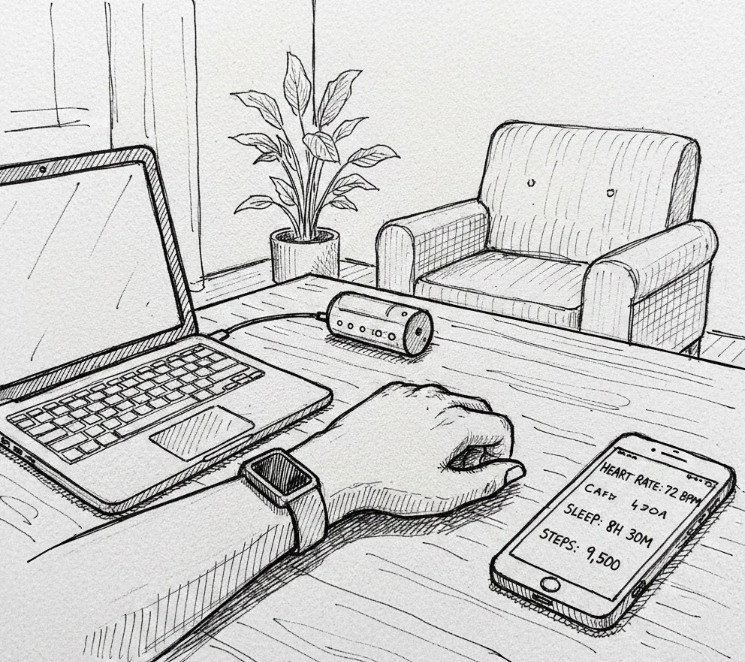
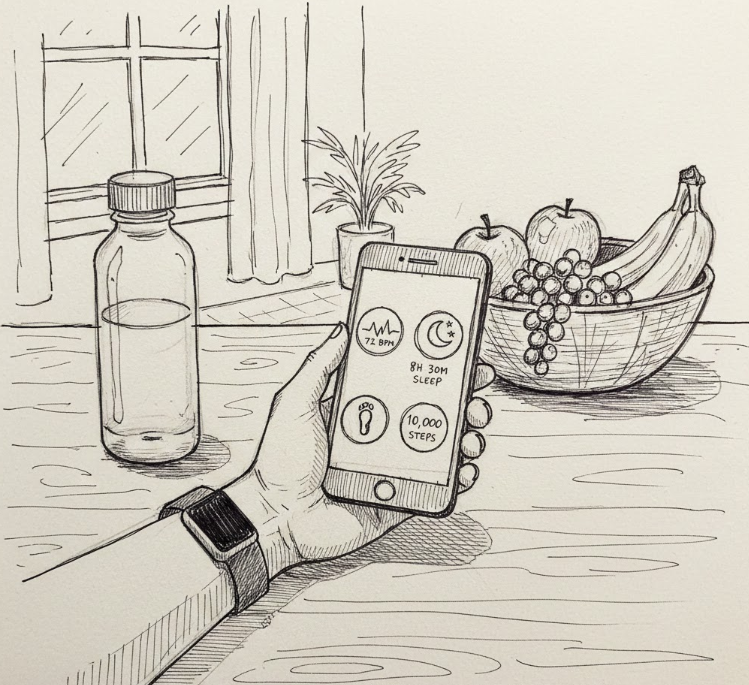
The first major change is that monitoring health will not be limited to hospitals. Instead, many people will check their own vitals at home without special training. This is made possible through simple health devices that track:
-
Heart rate
-
Blood pressure
-
Sleep quality
-
Blood oxygen
-
Stress levels
-
Blood sugar (for some devices)
-
Activity and step count
These devices are becoming smaller, smarter, and more accurate every year. In 2026, many homes will have basic health tools just like they have weighing scales today.
But monitoring health is not just about numbers — the real benefit comes from early signals. For example:
-
A change in sleep patterns could indicate stress or hormonal imbalance
-
Higher resting heart rate could indicate fatigue, anxiety, or infection
-
Blood oxygen dips might signal respiratory issues
-
Irregular heart rhythm could warn about future heart problems
The goal is not to scare people, but to notice trends before they become larger problems. This helps improve lifestyle choices and encourages timely check-ups.
2. Personalized Health Instead of Generic Advice
In the past, doctors often recommended the same diets, same medicines, and same routines for many patients. But human bodies are different. Two people can eat the same food and have completely different reactions. Similarly, one person may develop diabetes at 40 while another does not, even with similar lifestyles.
By 2026, preventive health will use personal data to create custom health guidance. This doesn’t mean fancy or expensive treatments — it mainly means understanding your own body better.
Some examples:
-
If someone’s heart rate spikes after certain foods, they may reduce those meals.
-
If someone’s sleep data shows they are not resting well, the routine can be adjusted.
-
If someone’s blood sugar reacts strongly to rice but not to wheat, the diet can change accordingly.
The idea is simple: listen to your own body, not just general advice. Personal data gives a clearer picture and prevents long-term issues.
3. Early Detection Lowers Costs and Saves Lives
One of the biggest benefits of preventive health is that treatment becomes cheaper and more effective. Many major diseases — like heart disease, diabetes, kidney disease, and cancer — develop slowly over years. If detected early, they are easier to manage and often reversible.
For example:
-
Diabetes can be controlled early with diet and exercise
-
Heart disease risk can be reduced through lifestyle adjustments
-
Kidney issues can be slowed down with medication
-
Some cancers, if detected early, have extremely high survival rates
Instead of spending huge money on late-stage treatment, families can invest in timely tests, simple changes in routine, and healthier daily habits.
4. Remote Consultation Becomes Normal
Another important part of preventive health in 2026 is remote access to doctors. Video calls, voice calls, health apps, and messaging-based consultation will make it easier for people to seek medical guidance without traveling.
This helps people who:
-
Live far from hospitals
-
Have busy schedules
-
Have mobility challenges
-
Want quick clarification about small symptoms
Remote consultations do not replace hospitals, but they make basic care easier and more convenient, leading to faster decisions and quicker support.
5. Mind and Body are Treated Together
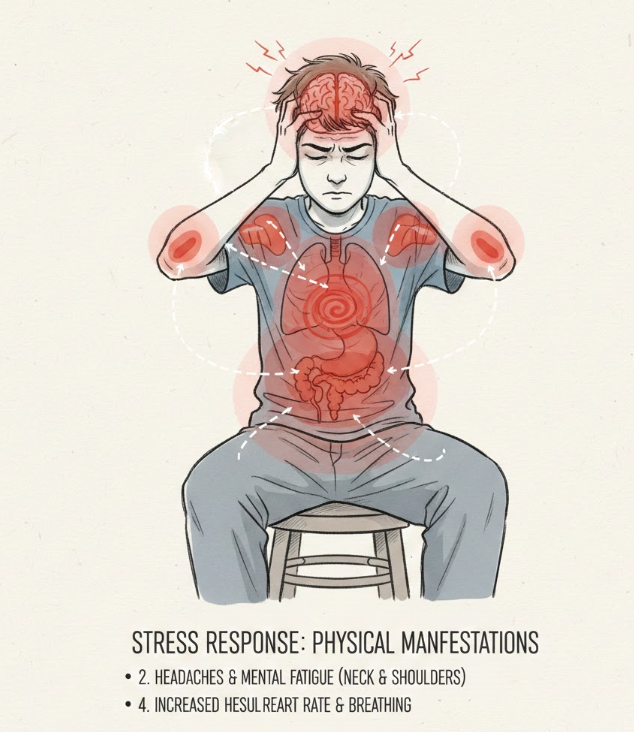
Preventive health also recognizes that mental health affects physical health. Stress and anxiety can affect digestion, blood pressure, sleep, and even heart health. By 2026, health platforms will not focus only on physical symptoms but also include:
-
Stress assessments
-
Sleep pattern monitoring
-
Breathing exercises
-
Counseling options
-
Mental well-being guidance
This is because a healthy mind helps maintain a healthy body.
6. Health Trends Will Shape Daily Habits
As awareness grows, preventive health will become part of daily life. People will focus more on:
-
Hydration
-
Nutrition
-
Proper sleep
-
Daily movement
-
Breathing exercises
-
Limiting smoking or alcohol
-
Reducing processed foods
These small changes prevent bigger problems.
Conclusion
Preventive health is not about panic, expensive equipment, or fear of diseases. It is about understanding your body, making small corrections, and acting early. By 2026, many families will adopt this approach not because it is trendy, but because it simply makes life easier and healthier.
A future where people stay healthier, avoid complications, reduce medical expenses, and enjoy better well-being is not far — it’s already starting.
Preventive health will make the healthcare world more human, more fair, and more accessible for everyone.