Why Young People Have Back Pain in Their 20s
It used to be common to hear older people complain, “Back dukh raha hai.”
But today, you will hear the same sentence from 20–28 year olds — students, IT employees, gamers, editors, creators, freelancers.
Back pain, jo pehle 40+ age ka issue hota tha, aaj 20s me normal ho gaya hai. Aur ye sirf India me nahi, duniya bhar me ho raha hai.
So why does a generation that does not do heavy physical labor experience so much back pain?
Let’s break it down in simple, real, non-medical language.
🪑 1. Sitting Is the New Default (And Chairs Are the New Enemy)
Most young people spend their entire day sitting:
✔ Online classes
✔ Office work
✔ Gaming
✔ Editing & coding
✔ OTT & YouTube
✔ Phone scrolling
✔ Eating meals
Aaj ki life ka schedule kuch aisa hota hai:
-
Sit in college
-
Sit in transport
-
Sit in office
-
Sit at home
-
Sit on bed
-
Sleep
Human body was not designed to sit 10–14 hours daily. Our spine needs movement.
Sitting for long periods:
-
Tightens hip flexors
-
Weakens core muscles
-
Creates pressure on lower back
-
Reduces blood flow
End result? Back pain — without doing anything “wrong.”
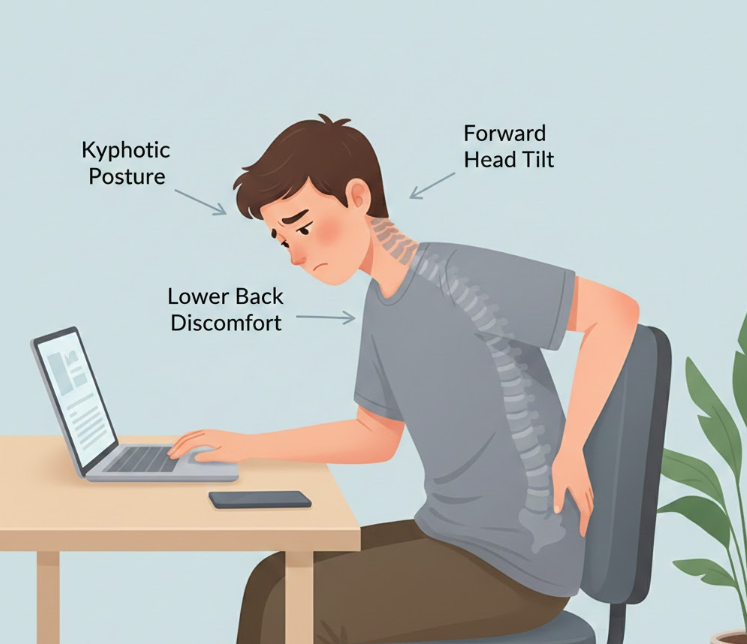
💻 2. Work and Study Posture Is Terrible
Most people work like this:
-
Laptop on bed
-
Laptop on low table
-
Phone between neck and ear
-
Back bent forward
-
Shoulders rounded
Or the famous Indian gamer posture:
➡ Face 10 inches from screen, neck bent down.
This posture creates forward head syndrome, which puts stress on:
✔ Neck
✔ Upper back
✔ Lower back
Even your chair matters. Most students sit on:
-
Plastic chairs
-
Beds
-
Floor with pillows
-
Sofas
All of these are posture killers.
📱 3. Phone Time = Neck Pain = Back Pain
Phone scrolling requires:
➡ Neck down + Spine curved
This position increases head weight from 5 kg (normal) to 27–30 kg load on spine.
This leads to:
✔ Neck strain
✔ Shoulder tightness
✔ Upper back tension
Over months → full back pain
College students and WFH employees have this issue every day.
🎮 4. Gaming & Editing Sessions Go On for Hours
If you ask a gamer:
“Kitna time khela?”
Answer will be:
“4 hours only bro.”
Creators & editors:
“Bas 6 hours timeline me ghus gaya.”
These tasks require:
✔ Static posture
✔ Zero movement
✔ High concentration
✔ Poor hydration
Static sitting = worst for spine
🧍 5. Weak Core Muscles (Nobody Exercises)
Back is not meant to support your body alone — core muscles help.
A strong core = less back pain.
A weak core = spine takes all the load.
Youth lifestyle today:
-
No sports
-
No running
-
No stretching
-
No strength training
So what happens?
Weak core + sitting all day = back pain guaranteed
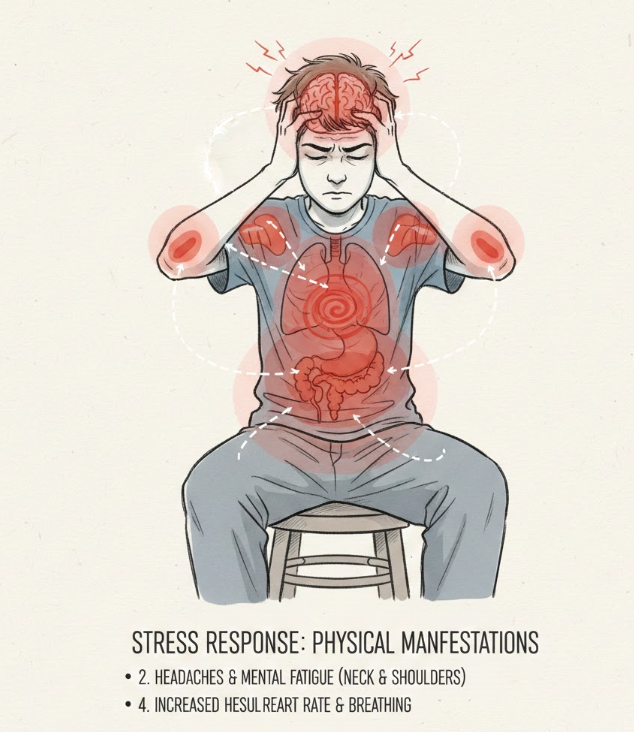
🧠 6. Stress Shows Up in the Body
Most 20-year-olds underestimate stress.
Stress is not just emotional — it affects the nervous system and muscles.
Stress causes:
✔ Muscle tension
✔ Shallow breathing
✔ Stiff shoulders
✔ Tight back muscles
You’ll notice:
-
Exams → neck pain
-
Job pressure → shoulder pain
-
Relationship issues → back tightness
Stress literally changes posture and breathing, leading to pain.
🍔 7. Poor Nutrition Affects Muscles & Bones
Youth diet in reality:
Breakfast → Chai + biscuit
Lunch → Canteen food
Evening → Momos, burgers, pizza
Night → Chips + cold drink
Low:
-
Protein
-
Healthy fats
-
Vitamins
-
Minerals
But high:
-
Sugar
-
Oil
-
Refined carbs
Muscles need protein to stay strong.
Bones need vitamin D + calcium.
Modern diet = no strength + no recovery.
☀️ 8. Vitamin D Deficiency (Common in India)
Indian youth rarely get sunlight because:
✔ Indoor jobs
✔ Indoor college
✔ Gaming indoor
✔ OTT indoor
✔ Even gym indoor
Vitamin D deficiency = weak bones + weak muscles → back pain
This is extremely common now.
🧩 9. Daily Life Lacks Movement
Think about this:
Earlier generations:
-
Walked long distances
-
Sat on floor
-
Worked in fields
-
Lifted things
-
Climbed stairs
Today:
-
Ola/Uber/Zomato/Swiggy
-
Lift & escalator
-
Online shopping
-
Home delivery
-
Chair everywhere
No movement = stiff body
Our body becomes like a machine:
If not used → rusts
🧠 So What’s the Real Cause?
Back pain in youth is not because they’re old — it’s because they’re:
✔ Sitting too much
✔ Moving too little
✔ Sleeping poorly
✔ Eating poorly
✔ Stressed constantly
✔ Lacking sunlight
✔ Weak in core muscles
This is lifestyle back pain, not “old age back pain.”
🛠️ How to Reduce Back Pain (Realistic, Not Gym Bro Tips)
Here are simple fixes (practical for students & employees):
✔ 1. Stand Up Every 45–60 Minutes
Just walk for 2–3 minutes.
✔ 2. Fix Your Laptop Position
Screen should be at eye level.
✔ 3. Stretch Daily (10–15 Minutes)
Focus on:
-
Hamstrings
-
Hip flexors
-
Upper back
-
Neck
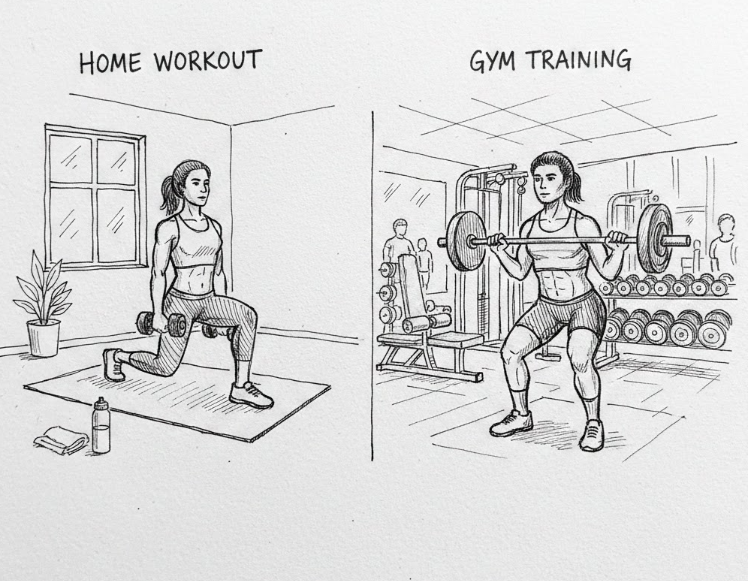
✔ 4. Strengthen Core (3x Week)
Planks, bridges, bird-dogs — no gym needed.
✔ 5. Get Sunlight
10–15 minutes daily for Vitamin D.
✔ 6. Reduce Bed/Laptop Combo
Bed is for sleeping, not for coding.
✔ 7. Use a Supportive Chair
Or add a pillow behind lower back.
✔ 8. Manage Stress
Try:
-
Walking
-
Journaling
-
Yoga
-
Silence time
Stress relief ≠ Sleep.
Stress relief = Body relax mode.
🎯 Conclusion
If you're in your 20s and experiencing back pain, don’t think:
“Mere sath hi problem hai.”
The modern world is designed for:
✔ Sitting
✔ Stress
✔ Screens
✔ Convenience
Not for:
✔ Movement
✔ Sunlight
✔ Posture
✔ Strength
Back pain is not a sign of weakness — it’s your body's feedback.
Listen early, fix early.